Defense Priorities Defense Priorities
  • Policy Topics
    • Iran
    • Western Hemisphere
    • Ukraine-Russia
    • NATO
    • China
    • Syria
  • Analysis
    • Research
    • Q&A
  • Programs
    • Grand Strategy Program
    • Military Analysis Program
    • Asia Program
    • Middle East Program
  • Experts
  • Events
  • Media
  • About
    • Mission & Vision
    • People
    • Jobs
    • Contact
  • Donate
Select Page
Home / Asia / Why the U.S. and South Korea will not jointly construct nuclear submarines
Asia

January 27, 2026

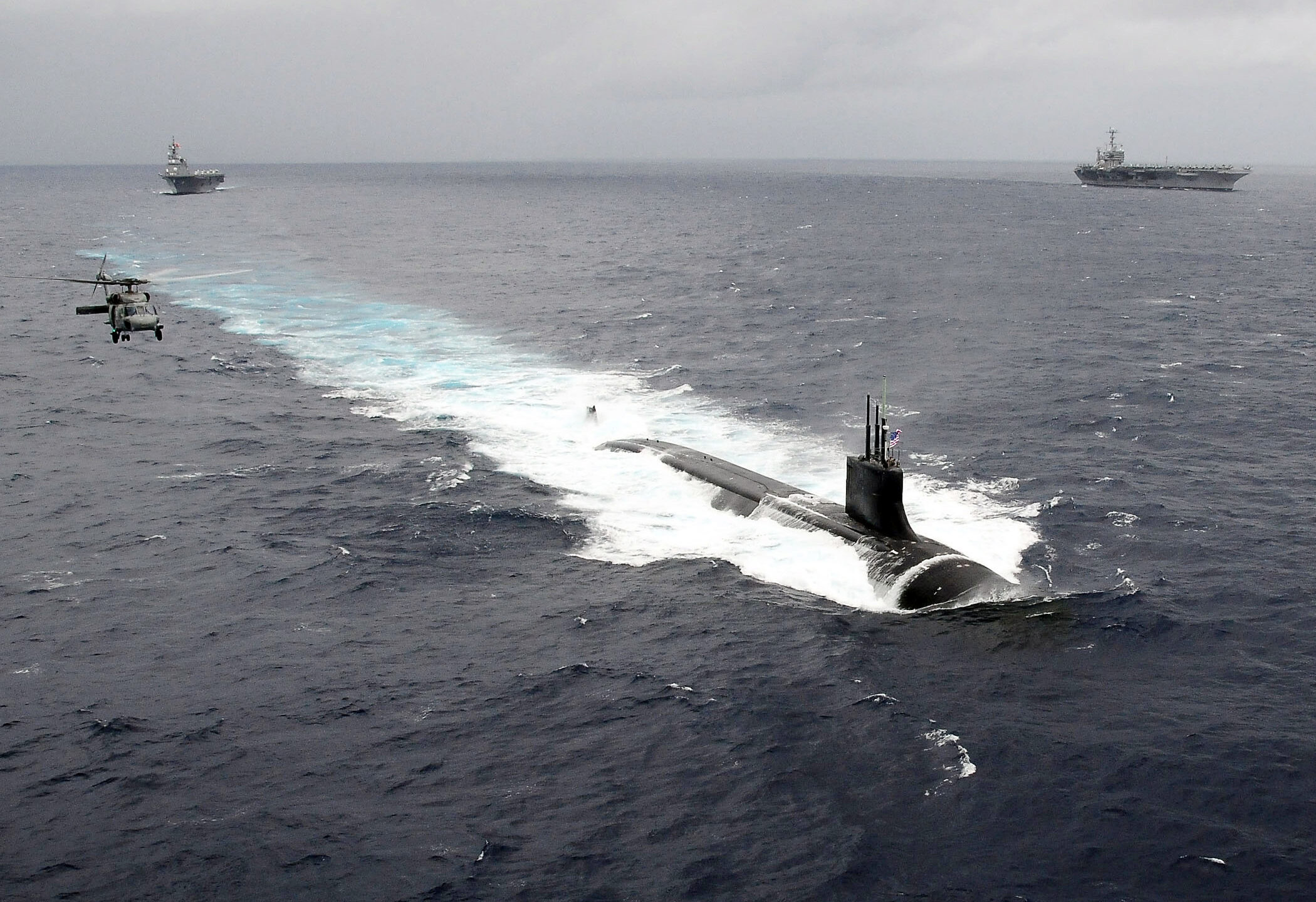
Why the U.S. and South Korea will not jointly construct nuclear submarines

By Lyle Goldstein

Perhaps the biggest news to emerge from President Donald Trump’s 2025 visit to East Asia was his announcement in late October that South Korea and the United States would jointly construct nuclear attack submarines in Philadelphia. However, in the weeks that followed, it became clear this shipbuilding cooperation will not be realized.

Before the Thanksgiving holiday, I visited not only South Korea but also Japan and China, partly with the aim of assessing whether the agreement between Seoul and Washington makes sense. I walked away thinking U.S. strategists should carefully consider the risks and realities of the proposed partnership.

There is much to like in the initiative. The Biden administration prioritized cooperation on nuclear submarines with Australia and the United Kingdom through AUKUS. While that agreement is still very far from delivering tangible assets, it has withstood the test of time—AUKUS might prove to be a useful hedge against Chinese naval ambitions.

Read at Proceedings

Author

Photo of Lyle Goldstein

Lyle
Goldstein

Director, Asia Program

Defense Priorities

More on Asia

China, Asia

Fate of China’s top general more likely to do with power struggle than corruption

By Lyle Goldstein

January 26, 2026

op-edGrand strategy, Alliances, China, Russia

Russian and Chinese threats to Greenland and the new Arctic sea routes are low

By Lyle Goldstein

January 23, 2026

op-edTaiwan, Asia, China‑Taiwan

The new National Security Strategy’s dangerous language on Taiwan

By Lyle Goldstein

January 6, 2026

In the mediaChina, Asia

Asia giants find warmer ties may cool conflict

Featuring Lyle Goldstein

January 2, 2026

In the mediaChina, Asia, China‑Taiwan

PLA fired 27 rockets: defense ministry

Featuring Lyle Goldstein

December 31, 2025

Press ReleaseAsia, China‑Taiwan

Military drills near Taiwan highlight need for caution

By Lyle Goldstein

December 30, 2025

Events on Asia

See All Events
virtualAsia

What’s Next for U.S. Foreign Policy in 2026? Asia Edition

January 14, 2026
virtualGreat power competition, Balance of power, China, Grand strategy, Middle East

U.S.-China competition and the value of Middle East influence

June 10, 2025
virtualChina, Alliances, Balance of power, Diplomacy, Grand strategy, Russia

China-Russia: Cooperation or a no-limits alliance?

April 3, 2025

Receive expert foreign policy analysis

Join the hub of realism and restraint

Expert updates and analysis to enhance your understanding of vital U.S. national security issues

Defense Priority Mono Logo

Our mission is to inform citizens, thought leaders, and policymakers of the importance of a strong, dynamic military—used more judiciously to protect America’s narrowly defined national interests—and promote a realistic grand strategy prioritizing restraint, diplomacy, and free trade to ensure U.S. security.

  • Research
  • Experts
  • About
  • For Media
  • Jobs
  • Donate
  • Privacy Policy
  • Terms and Conditions
  • Contact
© 2026 Defense Priorities All Right Reserved