Defense Priorities Defense Priorities
  • Policy Topics
    • US-Israel-Iran
    • Ukraine-Russia
    • Western Hemisphere
    • NATO
    • China
    • Syria
  • Analysis
    • Research
    • Q&A
  • Programs
    • Grand Strategy Program
    • Military Analysis Program
    • Asia Program
    • Middle East Program
  • Experts
  • Events
  • Media
  • About
    • Mission & Vision
    • People
    • Jobs
    • Contact
  • Donate
Select Page
Home / Europe and Eurasia / It is a mistake to double down on the Bucharest Summit Declaration
Europe and Eurasia, Alliances, NATO, Russia, Ukraine, Ukraine‑Russia

November 29, 2022

It is a mistake to double down on the Bucharest Summit Declaration

By Benjamin Friedman

FOR IMMEDIATE RELEASE:
November 29, 2022
Contact: press@defensepriorities.org

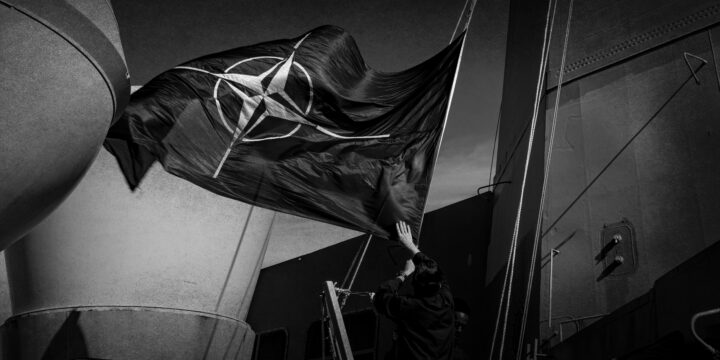
WASHINGTON, DC—Today, at a meeting of NATO foreign ministers in Bucharest, the alliance signaled that it will remain open to Ukraine’s aspirations to become a NATO member. Defense Priorities Policy Director Benjamin H. Friedman issued the following statement in response:

“Reupping their misguided vow that Ukraine will someday join the NATO alliance extends a tragic policy blunder and threatens to prolong the war in Ukraine. The policy of holding open a place in NATO for Ukraine achieves the worst of both worlds—it hardens Russian antipathy, encouraging its aggression, without actually helping Ukraine. It encourages Ukrainians to think they have the protection NATO allies enjoy without actually making it one.

“The 2008 Bucharest Summit Declaration was both phony and incendiary. NATO members, whatever the hopes of the Bush administration then in office, had no real plans to let Ukraine and Georgia join the alliance. But the statement was nonetheless dangerous, as the prospect of a military alliance, or forces under its flag, coming to nations on Russia’s borders angered and alarmed the Kremlin. That Russia’s views about these nations had imperial overtones does not change the fact that the prospect of their NATO membership painted a target on them without offering real protection. It is no coincidence that both have since come under Russian attack.

“Reasonable people can disagree about why Russia attacked Ukraine in 2014 and again this year, but the idea that the prospect of NATO membership played no role is unserious. One can fully support Ukraine in its fight against Russia and agree that keeping NATO’s door open to it is a grave error.

“Backtracking on the Bucharest Summit Declaration—stating the fact that NATO has no present plan to expand to Ukraine—would not reward Russian aggression; it would acknowledge reality and undercut one rationale for war. Peace in Ukraine would remain a difficult prospect to be sure, but this step would make it more likely, reduce the dangers between NATO and Russia, and lower U.S. costs and risks over the long-term.”

Author

Photo of Benjamin Friedman

Benjamin
Friedman

Policy Director

Defense Priorities

More on Europe and Eurasia

Op-edNATO, Europe and Eurasia, Iran, US‑Israel‑Iran

Threatening NATO Over Iran Is Stupid, but Potentially Useful

By Benjamin Friedman

April 12, 2026

Op-edUkraine‑Russia, Europe and Eurasia, Russia, Ukraine

A Flawed Formula for Peace in Ukraine

By Jennifer Kavanagh

April 7, 2026

Op-edNATO, Alliances, Europe and Eurasia

Our NATO allies are unwilling to play Donald Trump’s game this time around

By Daniel DePetris

April 7, 2026

Op-edNATO, Alliances, Europe and Eurasia, Iran, Middle East, US‑Israel‑Iran

Europe is in mutiny against Trump

By Daniel DePetris

April 1, 2026

Q&AAlliances, Europe and Eurasia, Iran, NATO

How will the war in Iran impact U.S.-Europe relations?

By Thomas P. Cavanna

March 31, 2026

In the mediaUS‑Israel‑Iran, Iran, Middle East, Ukraine, Ukraine‑Russia

Trump Links Biden’s Ukraine Aid to Pentagon’s Iran War Funding Request

Featuring Jennifer Kavanagh

March 31, 2026

Events on Europe and Eurasia

See All Events
virtualEurope and Eurasia, Asia, Grand strategy

Assessing the 2026 NDS: Alignment with restraint?

February 9, 2026
virtualNATO, Alliances, Burden sharing, Europe and Eurasia, Grand strategy

Assessing the 2026 NDS: Will it usher in burden shifting?

February 9, 2026
virtualEurope and Eurasia

What’s Next for U.S. Foreign Policy in 2026? Europe Edition

January 14, 2026

Receive expert foreign policy analysis

Join the hub of realism and restraint

Expert updates and analysis to enhance your understanding of vital U.S. national security issues

Defense Priority Mono Logo

Our mission is to inform citizens, thought leaders, and policymakers of the importance of a strong, dynamic military—used more judiciously to protect America’s narrowly defined national interests—and promote a realistic grand strategy prioritizing restraint, diplomacy, and free trade to ensure U.S. security.

  • Research
  • Experts
  • About
  • For Media
  • Jobs
  • Donate
  • Privacy Policy
  • Terms and Conditions
  • Contact
© 2026 Defense Priorities Foundation. All rights reserved.