Defense Priorities Defense Priorities
  • Policy Topics
    • US-Israel-Iran
    • Ukraine-Russia
    • Western Hemisphere
    • NATO
    • China
    • Syria
  • Analysis
    • Research
    • Q&A
  • Programs
    • Grand Strategy Program
    • Military Analysis Program
    • Asia Program
    • Middle East Program
  • Experts
  • Events
  • Media
  • About
    • Mission & Vision
    • People
    • Jobs
    • Contact
  • Donate
Select Page
Home / Ukraine-Russia / Greenlighting deep strikes inside Russia is all risk, no reward
Ukraine‑Russia, Europe and Eurasia, Land power, Military analysis, NATO, Russia, Ukraine

November 17, 2024

Greenlighting deep strikes inside Russia is all risk, no reward

By Jennifer Kavanagh

FOR IMMEDIATE RELEASE:
November 17, 2024
Contact: press@defensepriorities.org

WASHINGTON, DC—President Joe Biden is now allowing Ukraine to use U.S.-supplied weapons to strike targets within Russia, loosening a restriction Washington placed on Kyiv. Defense Priorities Director of Military Analysis Jennifer Kavanagh issued the following statement in response:

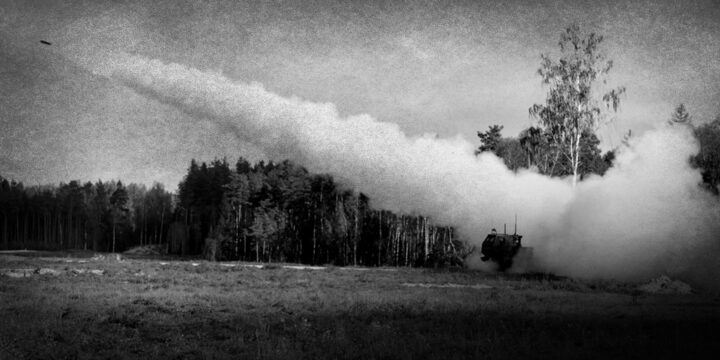
“The Biden administration’s decision to allow Ukraine to use longer-range ATACMS to launch strikes deep inside of Russia is strategically unwise and operationally unnecessary. The move will not meaningfully improve Ukraine’s military position, but it will intensify U.S. and NATO entanglement in the conflict and worsen the risk of Russian escalation—including possible retaliation on U.S. or European targets.

“Expanding Ukraine’s ability to launch offensive strikes with Western weapons inside Russia will not alter the trajectory of the war or help Kyiv gain an advantage against a better equipped and more resilient adversary. There are a limited number of military targets within range of long-range strike weapons, even with the new permissions, and Russia can easily adapt—as it has throughout the war—by relocating key military assets away from these locations.

“To really impose costs on Russia, Ukraine would need large stockpiles of ATACMS, which it doesn’t have and won’t receive because the United States’ own supplies are limited. Moreover, the biggest obstacle Ukraine faces is a lack of trained and ready personnel, a challenge that neither the United States nor its European allies can solve and that all the weapons in the world won’t overcome.

“In a conflict where redlines are unclear and constantly shifting, escalation management must always be a top priority, especially when nuclear weapon use is in play. Putin made clear that he saw the use of Western long-range strike weapons inside Russia to be a material change in the nature of U.S. and European involvement in the war. A choice to disregard this warning could have dire consequences for the United States and Europe.

“Any escalation could also reverberate on Ukraine itself. With the Biden administration on its way out and the incoming Trump administration indicating an intention to end the war, Putin has little incentive to act with restraint in his retaliation toward Kyiv.

“Most importantly, extending these new permissions to Kyiv would move U.S. policy in Ukraine in the wrong direction. At a time when Washington should be pushing Kyiv to focus on bolstering its defenses and fortifications to slow increasingly rapid Russian advances across the Donbas and advocating for renewed efforts at diplomacy, the Biden administration is instead encouraging further expansion of an already costly war.”

Read more from Jennifer Kavanagh: A decision framework for Ukraine military aid.

Author

Jennifer
Kavanagh

Senior Fellow & Director of Military Analysis

Defense Priorities

More on Ukraine-Russia

Op-edUkraine‑Russia, Europe and Eurasia, Russia, Ukraine

A Flawed Formula for Peace in Ukraine

By Jennifer Kavanagh

April 7, 2026

In the mediaUS‑Israel‑Iran, Iran, Middle East, Ukraine, Ukraine‑Russia

Trump Links Biden’s Ukraine Aid to Pentagon’s Iran War Funding Request

Featuring Jennifer Kavanagh

March 31, 2026

Op-edGrand strategy, China, Middle East, Ukraine‑Russia

The real U.S. energy security problem—and how to fix it

By Rosemary Kelanic

March 27, 2026

Op-edUS‑Israel‑Iran, China, Iran, Middle East, Ukraine, Ukraine‑Russia

Trump’s war in Iran risks ruining his entire foreign policy

By Daniel DePetris

March 27, 2026

In the mediaUS‑Israel‑Iran, Europe and Eurasia, Middle East, Russia, Ukraine, Ukraine‑Russia

Russia and Ukraine trade attacks as the Iran war pulls U.S. attention away

Featuring Jennifer Kavanagh

March 23, 2026

In the mediaUS‑Israel‑Iran, Europe and Eurasia, Iran, Middle East, Russia, Ukraine‑Russia

Russia Wins the War on Iran

Featuring Jennifer Kavanagh

March 14, 2026

Events on Ukraine-Russia

See All Events
virtualUkraine‑Russia, Air power, Diplomacy, Drones, Europe and Eurasia, Land power, Military analysis, Russia, Ukraine

Ukraine’s critical choice: Pursue peace or fight on

April 16, 2025
virtualUkraine‑Russia, Europe and Eurasia, Russia, Ukraine

Trump and Ukraine: Prolonging or ending the war

December 13, 2024
virtualNATO, Alliances, Europe and Eurasia, Russia, Ukraine, Ukraine‑Russia

A ‘bridge’ to NATO or false hope for Ukraine?

July 12, 2024

Receive expert foreign policy analysis

Join the hub of realism and restraint

Expert updates and analysis to enhance your understanding of vital U.S. national security issues

Defense Priority Mono Logo

Our mission is to inform citizens, thought leaders, and policymakers of the importance of a strong, dynamic military—used more judiciously to protect America’s narrowly defined national interests—and promote a realistic grand strategy prioritizing restraint, diplomacy, and free trade to ensure U.S. security.

  • Research
  • Experts
  • About
  • For Media
  • Jobs
  • Donate
  • Privacy Policy
  • Terms and Conditions
  • Contact
© 2026 Defense Priorities Foundation. All rights reserved.