Defense Priorities Defense Priorities
  • Policy Topics
    • US-Israel-Iran
    • Ukraine-Russia
    • Western Hemisphere
    • NATO
    • China
    • Syria
  • Analysis
    • Research
    • Q&A
  • Programs
    • Grand Strategy Program
    • Military Analysis Program
    • Asia Program
    • Middle East Program
  • Experts
  • Events
  • Media
  • About
    • Mission & Vision
    • People
    • Jobs
    • Contact
  • Donate
Select Page
Home / NATO / Why Donald Trump Doesn’t Want European Strategic Autonomy
NATO, Alliances, Europe and Eurasia

May 5, 2026

Why Donald Trump Doesn’t Want European Strategic Autonomy

By Thomas P. Cavanna

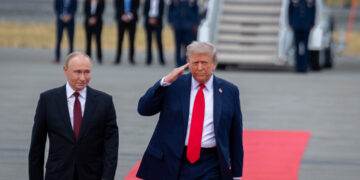
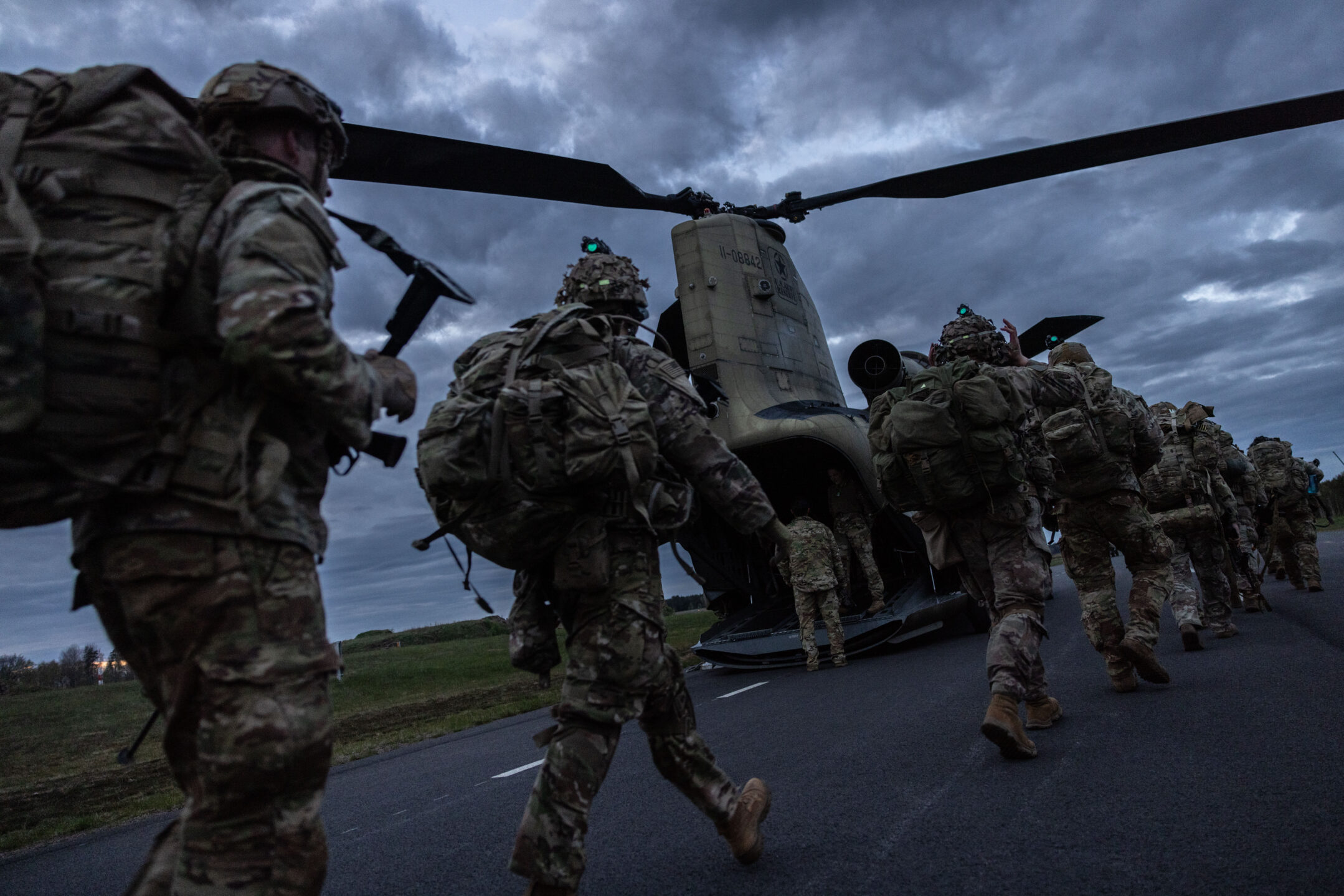
In recent weeks, the Trump administration has renewed its attacks on Europe and threatened to leave NATO because its members refused to support the United States and Israel in their war with Iran. Moreover, on May 1, the Department of Defense announced that 5,000 troops would withdraw from U.S. bases in Germany over the next year.

Despite its rhetorical outbursts against NATO, the truth is the Trump administration still very much wants to keep Europe dependent on Washington, unhelpfully perpetuating America’s entanglement in the region.

President Donald Trump has mocked NATO as a “paper tiger” that can’t be trusted, declared that leaving the alliance was now “beyond reconsideration,” said European leaders would “have to learn how to fight for [themselves],” and even revived his claims about Greenland.

But his fury makes little sense. Indeed, NATO allies have often eschewed participation in their fellow members’ interventions in other countries when they fail to meet the criterion for collective defense. When the United States and Israel initiated hostilities against Iran in late February, the war fell outside the scope of NATO’s Article 5, which can only be invoked in the case of “armed attack” on the alliance. In any case, the article is not an automatic trigger for collective defense since it only requires alliance “to assist the Party or Parties so attacked by taking forthwith, individually and in concert with the other Parties, such action as it deems necessary, including the use of armed force, to restore and maintain the security of the North Atlantic area.”

Read at National Interest

Author

Thomas P.
Cavanna

Non-Resident Fellow

Defense Priorities

More on Europe

In the mediaNATO, Burden sharing, Europe and Eurasia

Why and How Europeans Must Prepare for U.S. Retrenchment

Featuring Justin Logan

May 28, 2026

Op-edUkraine‑Russia, Drones, Europe and Eurasia, Russia, Ukraine

Drone Dominance Isn’t the Vital Lesson of Ukraine

By Gil Barndollar

May 5, 2026

In the mediaNATO, Europe and Eurasia

Trump’s threat to pull troops out of Germany crashes into reality

Featuring Jennifer Kavanagh

April 30, 2026

Op-edUS‑Israel‑Iran, Europe and Eurasia, Iran, Middle East

Friedrich Merz’s Iran intervention won’t discourage Trump

By Daniel DePetris

April 28, 2026

Op-edEurope and Eurasia, Iran, Middle East, NATO, US‑Israel‑Iran

Will King Charles’ visit help soften the animus between the U.S. and the UK?

By Daniel DePetris

April 28, 2026

Op-edEurope and Eurasia, NATO

The U.S. Lost Hungary But The Interference Continues

By Thomas P. Cavanna

April 25, 2026

Events on NATO

See All Events
virtualNATO, Alliances, Burden sharing, Europe and Eurasia, Grand strategy

Assessing the 2026 NDS: Will it usher in burden shifting?

February 9, 2026
virtualNATO, Alliances, Europe and Eurasia, Russia, Ukraine, Ukraine‑Russia

A ‘bridge’ to NATO or false hope for Ukraine?

July 12, 2024
virtualNATO, Alliances, Deterrence, Europe and Eurasia, Nuclear weapons

New York for Paris? NATO and extended deterrence in a new nuclear age

July 2, 2024

Receive expert foreign policy analysis

Join the hub of realism and restraint

Expert updates and analysis to enhance your understanding of vital U.S. national security issues

Defense Priority Mono Logo

Our mission is to inform citizens, thought leaders, and policymakers of the importance of a strong, dynamic military—used more judiciously to protect America’s narrowly defined national interests—and promote a realistic grand strategy prioritizing restraint, diplomacy, and free trade to ensure U.S. security.

  • Research
  • Experts
  • About
  • For Media
  • Jobs
  • Donate
  • Privacy Policy
  • Terms and Conditions
  • Contact
© 2026 Defense Priorities Foundation. All rights reserved.