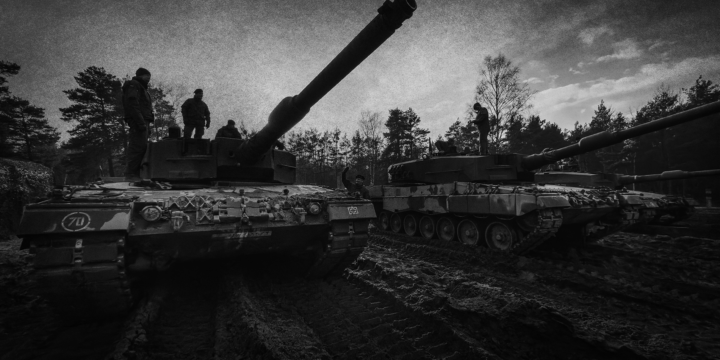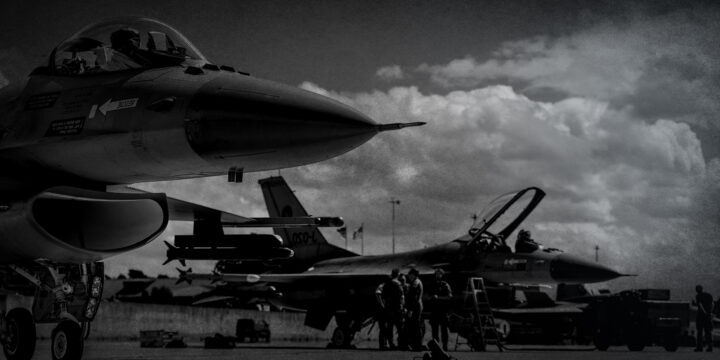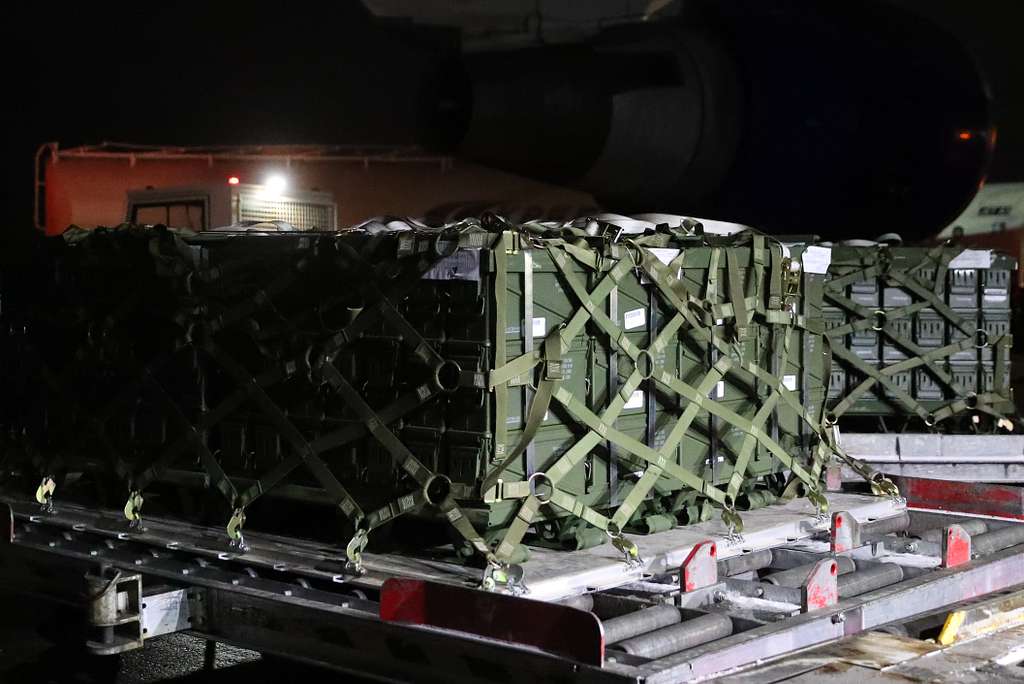
When asked on July 7 whether the United States would be sending more weapons to Ukraine, President Donald Trump responded in the affirmative. “We have to, they have to be able to defend themselves,” Trump told reporters, referring to the Ukrainians. “They’re getting hit very hard. Now they’re getting hit very hard. We’re gonna have to send more weapons.”
Many foreign policy analysts in Washington and Europe greeted the remarks with a sigh of relief. Six days earlier, the Trump administration suspended some U.S. arms shipments to Ukraine in a move American defense officials at the time said was part of a broader review of the U.S. military’s munitions stockpiles. That decision elicited a mix of disappointment, panic and anger, with U.S. lawmakers—including some within Trump’s own Republican Party—calling the move counterproductive to White House’s aims of pressuring Russia’s President Vladimir Putin into a serious peace process.
Yet the latest dizzying rollercoaster ride on Ukraine aid misses a crucial point: a pause, however temporary, was always inevitable at some point. And because the U.S. military and the U.S. defense-industrial base are vastly overstretched and burdened with numerous flash-points in multiple regions simultaneously, it’s likely a similar situation will happen again.
Author

More on Eurasia



Events on Ukraine-Russia