Defense Priorities Defense Priorities
  • Policy Topics
    • US-Israel-Iran
    • Ukraine-Russia
    • Western Hemisphere
    • NATO
    • China
    • Syria
  • Analysis
    • Research
    • Q&A
  • Programs
    • Grand Strategy Program
    • Military Analysis Program
    • Asia Program
    • Middle East Program
  • Experts
  • Events
  • Media
  • About
    • Mission & Vision
    • People
    • Jobs
    • Contact
  • Donate
Select Page
Home / Nuclear weapons / Russia Is Offering An Informal Nuclear Deal. Washington Should Take It.
Nuclear weapons, Europe and Eurasia, Russia

February 25, 2026

Russia Is Offering An Informal Nuclear Deal. Washington Should Take It.

By John Grover

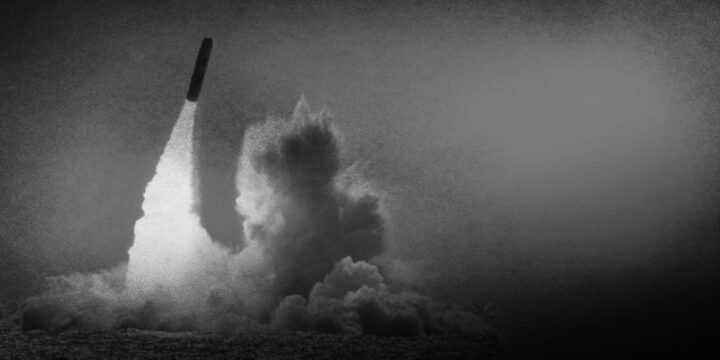
Russia and America now have zero bilateral nuclear arms control agreements. This has not happened in over 50 years. Although the New START Treaty has expired, Moscow has offered to maintain the treaty’s warhead caps informally while both sides negotiate a replacement. Washington should say yes because it is in America’s interest to avoid another arms race while buying time for a new, formal deal.

Without any framework, both sides will be tempted to base their military planning around worst-case assumptions about the other’s arsenal. That dynamic of uncertainty and instability risks sparking a new arms race. New START’s caps gave each side a known ceiling for deployed warheads, reducing the need to build more weapons out of fear of the unknown.

Critics will say Russia wasn’t complying with New START, because it suspended verification and data exchanges in 2023. It is also true that America has formally accused Russia of violating nine arms control agreements since Vladimir Putin took power.

These legitimate concerns should be handled in future negotiations and agreements. But informal caps still matter because they anchor expectations, giving planners a baseline to work against. In this scenario, having no bilateral arms control agreement (informal or not) means less predictability and risks more destabilization.

Read at Daily Caller

Author

John
Grover

Contributing Fellow

Defense Priorities

More on Eurasia

Op-edUkraine‑Russia, Europe and Eurasia, Iran, Middle East, Russia, Ukraine, US‑Israel‑Iran

Is Ukraine peace toast, now that the Middle East is on fire?

By Jennifer Kavanagh

March 9, 2026

Op-edNATO, Alliances, Ukraine‑Russia

Europe debates the bomb

By Daniel DePetris

February 19, 2026

Op-edUkraine‑Russia, Europe and Eurasia, Russia, Ukraine

Ukraine and Russia are both suffering as the war enters its fifth year

By Daniel DePetris

February 10, 2026

Op-edGrand strategy, Iran, Ukraine, Ukraine‑Russia, US‑Israel‑Iran

What happens when we give Europe first dibs on U.S. missiles for war

By Jennifer Kavanagh

February 9, 2026

Op-edNuclear weapons, Europe and Eurasia, Russia

Welcome to a Global Nuclear Arms Dilemma

By Daniel DePetris

February 6, 2026

In the mediaNuclear weapons, Russia

Russia warns of response to any U.S. weapons deployment in Greenland

Featuring Jennifer Kavanagh

February 5, 2026

Events on Nuclear weapons

See All Events
virtualNATO, Alliances, Deterrence, Europe and Eurasia, Nuclear weapons

New York for Paris? NATO and extended deterrence in a new nuclear age

July 2, 2024
virtualChina, Nuclear weapons

Raising the minimum: explaining China’s nuclear buildup

May 19, 2022
in-personNorth Korea, Asia, Deterrence, Diplomacy, Nuclear weapons

Ending the North Korea standoff

March 5, 2018

Receive expert foreign policy analysis

Join the hub of realism and restraint

Expert updates and analysis to enhance your understanding of vital U.S. national security issues

Defense Priority Mono Logo

Our mission is to inform citizens, thought leaders, and policymakers of the importance of a strong, dynamic military—used more judiciously to protect America’s narrowly defined national interests—and promote a realistic grand strategy prioritizing restraint, diplomacy, and free trade to ensure U.S. security.

  • Research
  • Experts
  • About
  • For Media
  • Jobs
  • Donate
  • Privacy Policy
  • Terms and Conditions
  • Contact
© 2026 Defense Priorities Foundation. All rights reserved.