For weeks the question animating the Washington D.C. commentariat has been this: When will President Donald Trump make good on his threat and launch a second round of airstrikes on Iran? So far at least, the answer is “not yet.”
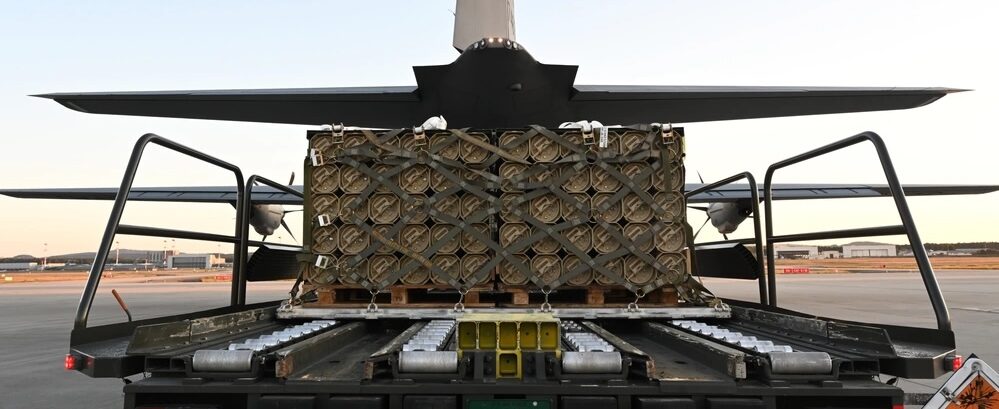
Many explanations for Trump’s surprising (but very welcome) restraint have emerged. Among the most troubling, however, is that it is a lack of the necessary munitions, and in particular air defense interceptors, that is giving Trump second thoughts. “The missile defense cupboard is bare,” one report concludes based on interviews with current and former U.S. defense officials.
Even those who hope Trump chooses to avoid military action in Iran altogether should be taken aback to hear that eight months after the last extended U.S. military campaign ended (the defense of Israel during the 12-day war and Operation Midnight Hammer), American missile defense arsenals could still be in such rough shape.
To be sure, slow production timelines and the deep materiel debt mean that any effort to fully restore U.S. stockpiles to their pre-2022 level will take time. But eight months should be sufficient to return stocks of some types of defense interceptors to less critical levels. If the missile defense cupboard is truly still bare, however, something else must be going on.
That something else, it turns out, is Ukraine.
Read at Responsible Statecraft
Author

More on Eurasia