f you ask the average person to name one of today’s dictators, Russia’s Vladimir Putin would likely be the first to come to mind. The former career intelligence operative and mayor of St. Petersburg has ruled Russia’s political system since 1999, when a pickled President Boris Yeltsin called it quits and handed power over to Putin on an interim basis. More than 27 years later, Putin remains on top, having established a system in which he’s not only the chief enforcer but also someone who keeps the Kremlin’s various factions in line. Those who deviate are eliminated, leaving a trail of blood that deters other would-be challengers.
Yet this year so far has been a dicey one for the Russian authoritarian. A man who likes to project strength, unity and decisiveness increasingly finds himself on shaky footing. While challenges to Putin’s rule are still few and far between, the discontent in Russian society—from online personalities with large social media followings to normally robotic-like supporters in the Russian political system—is beginning to bubble up. As The New Yorker’s Joshua Yaffa wrote last week, “the normally placid waters of Russian politics have been marked by the appearance of small but noticeable ripples.”
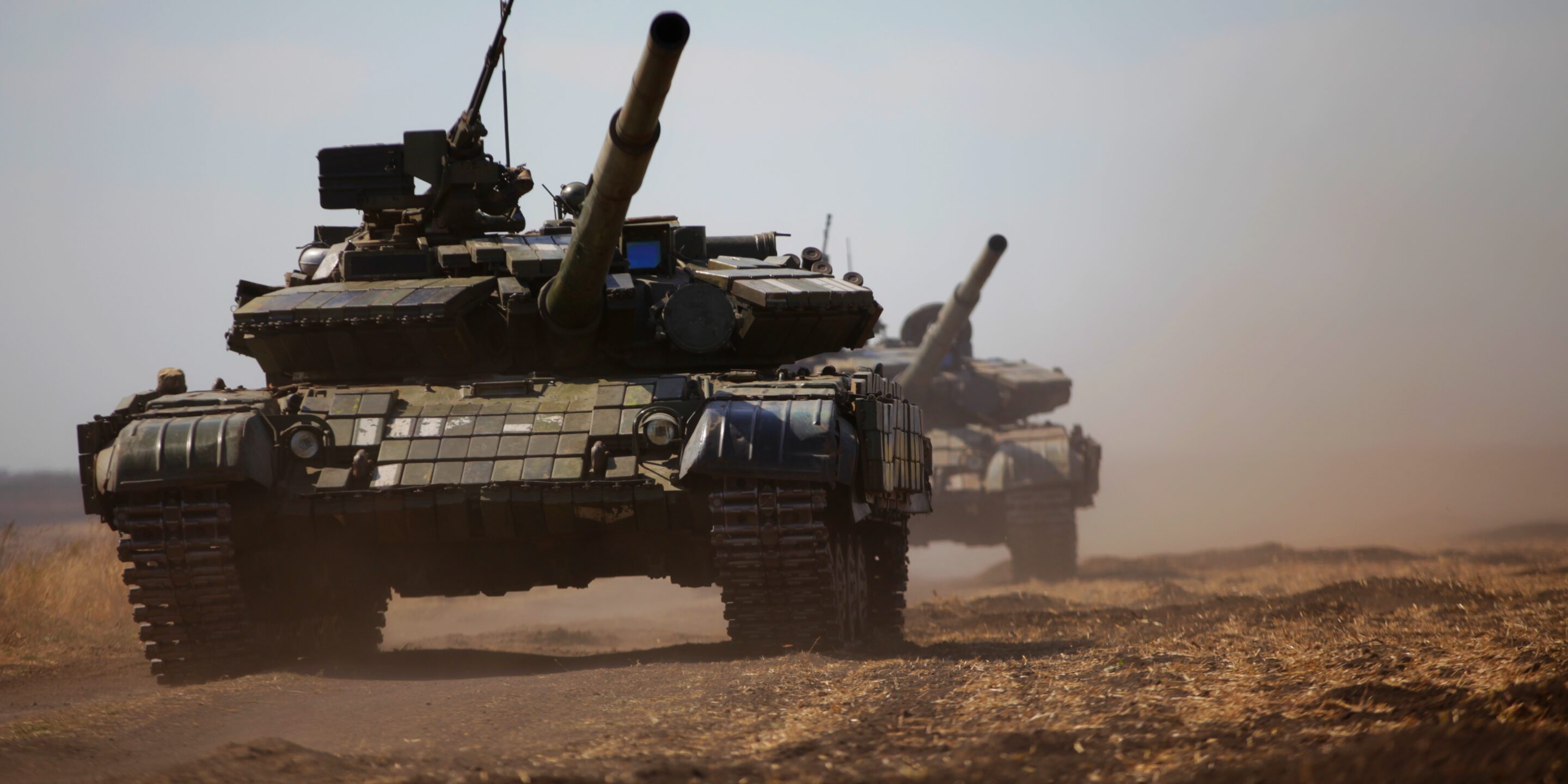
Ironically, the war in Ukraine, Putin’s pet project, is the genesis for most of the trouble. A conflict Putin and the Russian security services thought would be over in days has instead dragged on for more than four years, with the Ukrainians holding off the much larger Russian army in the east of the country. The territorial gains the Russians have captured since early 2024 have been relatively minor and typically consist of small villages and midsize cities that have already been destroyed by Russian glide bombs and artillery. A newly released study conducted by Russian media outlets Meduza and Mediazona estimates that more than 350,000 Russian troops have died as of the end of last year.
For those who have followed the war since its inception, none of this comes as a surprise. The situation, in fact, has worsened considerably for the Russians over the last few months due in part to Ukraine’s tactical ingenuity and Kyiv’s growing ability to do to Russia what Russia has long done to Ukraine—strike deep into its territory. Ukrainian long-range drone strikes against Russian energy infrastructure, from oil processing stations to gas turbines, are now par for the course.
Author

More on Eurasia
Events on Ukraine-Russia