Defense Priorities Defense Priorities
  • Policy Topics
    • Iran
    • Ukraine-Russia
    • NATO
    • China
    • Venezuela
    • Syria
  • Analysis
    • Research
    • Q&A
  • Programs
    • Grand Strategy Program
    • Military Analysis Program
    • Asia Program
    • Middle East Program
  • Experts
  • Events
  • Media
  • About
    • Mission & Vision
    • People
    • Jobs
    • Contact
  • Donate
Select Page
Home / Burden sharing / The burden-sharing dilemma in U.S. alliances
Burden sharing, Grand strategy

June 16, 2024

The burden-sharing dilemma in U.S. alliances

By Brian Blankenship

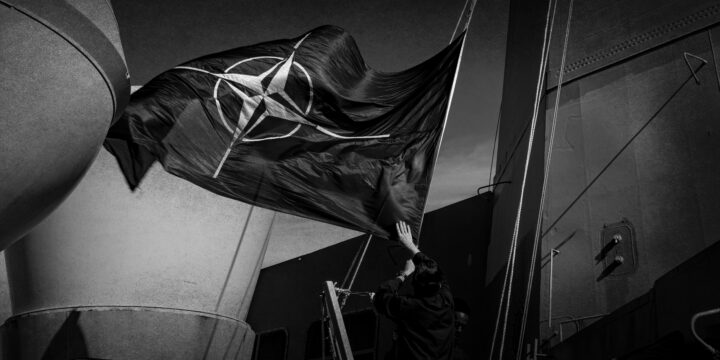
Few aspects of U.S. alliances are as contested as defense burden sharing. While often associated with Donald Trump, U.S. efforts to pressure its allies to assume more responsibility for their own defense are as old as American alliances themselves. President John F. Kennedy, for example, warned in 1963 that the United States “cannot continue to pay for the military protection of Europe while the NATO states are not paying their fair share.”

Efforts to encourage allied contributions are beset by twin challenges. With too little burden sharing, the United States must cover the costs of defense alone or else risk failing to deter adversaries. With too much, Washington risks losing influence over its allies. These challenges present differently in the two primary regions where the United States has formal military alliances: Europe and the Indo-Pacific.

Read at Lawfare

Author

Brian
Blankenship

Non-Resident Fellow

Defense Priorities

The Latest

Western Hemisphere, Diplomacy, Sanctions

Why Washington needs a new Cuba policy

By Daniel DePetris

January 23, 2026

ExplainerWestern Hemisphere, China, Grand strategy, Russia

Move on from Washington’s outdated Cuba policy

By Daniel DePetris

January 23, 2026

In the mediaGlobal posture, Europe and Eurasia, Grand strategy

The meaning of “America First” is in flux

Featuring Jennifer Kavanagh

January 20, 2026

op-edIsrael‑Hamas, Israel, Middle East

The Trump administration launches Phase 2 of the Gaza plan. Will peace materialize?

By Daniel DePetris

January 20, 2026

op-edNATO, Europe and Eurasia

Will NATO survive Trump?

By Jennifer Kavanagh

January 20, 2026

op-edEurope and Eurasia, NATO

This time, Trump’s threats to Europe look deadly serious

By Daniel DePetris

January 20, 2026

Events on Burden sharing

See All Events
virtualGrand strategy, Basing and force posture, Burden sharing, Global posture, Military analysis

National Defense Strategy: Underfunded or overstretched?

October 31, 2024
virtualAsia, Basing and force posture, Burden sharing, China, Grand strategy

Rethinking U.S. strategy in East Asia: do more bases mean more deterrence?

January 24, 2024
virtualNATO, Alliances, Burden sharing, Grand strategy, Ukraine‑Russia

Evaluating NATO enlargement: from Cold War victory to the Russia-Ukraine war

April 26, 2023

Receive expert foreign policy analysis

Join the hub of realism and restraint

Expert updates and analysis to enhance your understanding of vital U.S. national security issues

Defense Priority Mono Logo

Our mission is to inform citizens, thought leaders, and policymakers of the importance of a strong, dynamic military—used more judiciously to protect America’s narrowly defined national interests—and promote a realistic grand strategy prioritizing restraint, diplomacy, and free trade to ensure U.S. security.

  • Research
  • Experts
  • About
  • For Media
  • Jobs
  • Donate
  • Privacy Policy
  • Terms and Conditions
  • Contact
© 2026 Defense Priorities All Right Reserved