Defense Priorities Defense Priorities
  • Policy Topics
    • Iran
    • Western Hemisphere
    • Ukraine-Russia
    • NATO
    • China
    • Syria
  • Analysis
    • Research
    • Q&A
  • Programs
    • Grand Strategy Program
    • Military Analysis Program
    • Asia Program
    • Middle East Program
  • Experts
  • Events
  • Media
  • About
    • Mission & Vision
    • People
    • Jobs
    • Contact
  • Donate
Select Page
Home / Ukraine-Russia / New oil sanctions will not stop Russia’s war machine
Ukraine‑Russia, Europe and Eurasia, Russia, Ukraine

October 23, 2025

New oil sanctions will not stop Russia’s war machine

By Jennifer Kavanagh

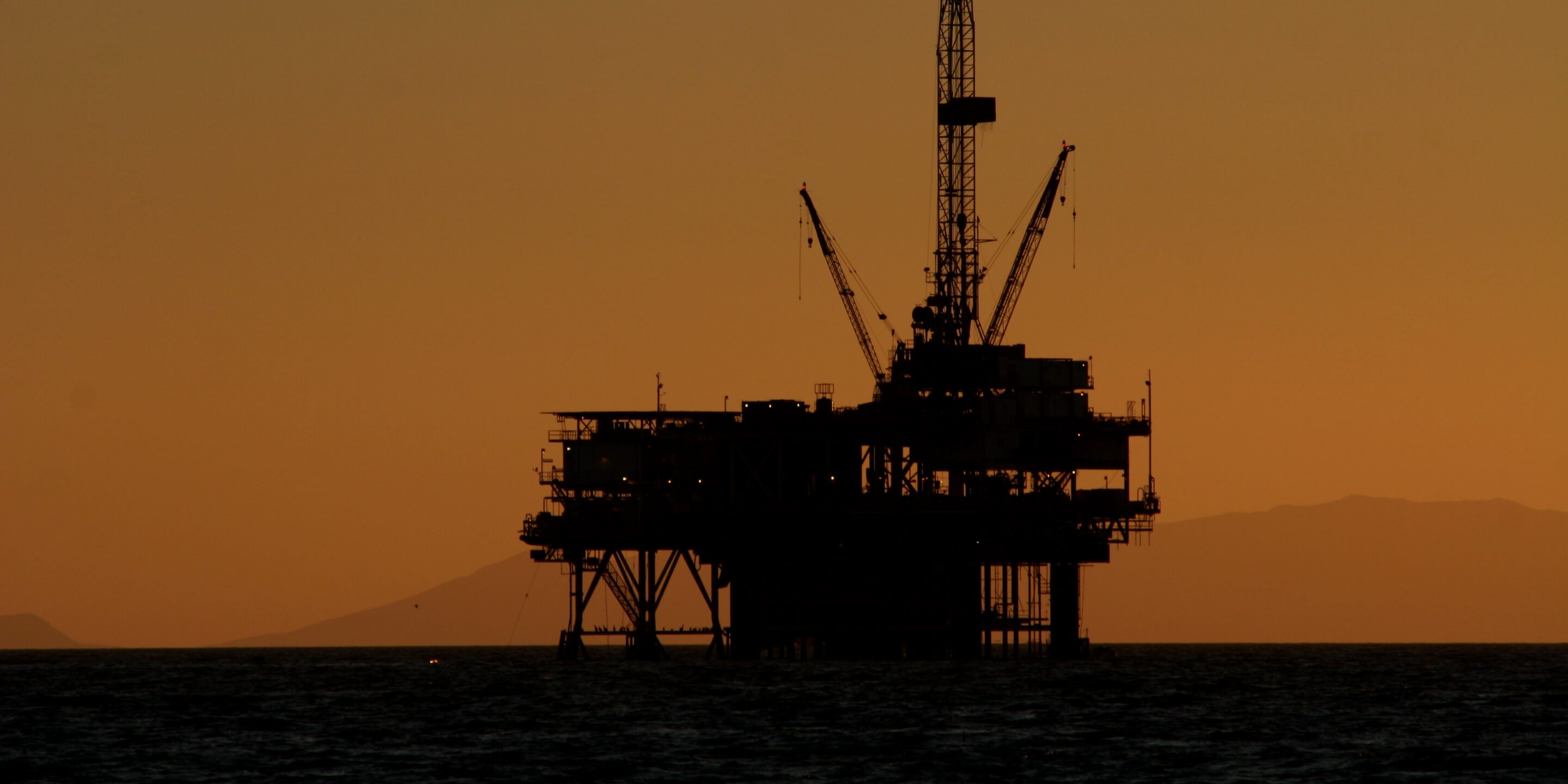
Yesterday, after months of threats, the Trump administration imposed new sanctions on Russia over its ongoing war in Ukraine, targeting Rosneft and Lukoil, the country’s two largest oil companies. Announcing the measures, the White House renewed its call for an immediate ceasefire. “Now is the time to stop the killing,” Treasury Secretary Scott Bessent said.

Russia hawks and Ukraine supporters in the U.S. and Europe hailed the move as a breakthrough, a sign that Washington was finally ready to impose real costs on Moscow and that President Donald Trump was getting tough on Vladimir Putin. Neither claim holds up. The sanctions will likely have only a modest impact on Russia’s economy, and are unlikely to alter the course of the war or bring it to an end. Still, the new measures are significant for two reasons. They reveal how deeply Trump and Putin continue to misunderstand each other—and how difficult it will be to stop the fighting.

As with any sanctions package, the costs of the latest round of economic penalties imposed will depend on enforcement. Here, signs point in Moscow’s favour. For starters, it is not clear how many of Russia’s remaining buyers will adjust their behaviour in response to additional U.S. sanctions. There are reports that India and China plan to back off their (known) purchases of Russian oil, but this may be temporary or partial.

In any case, Russia has long been preparing for this kind of pressure and has grown adept at evading sanctions, including those targeting its oil sector. That’s unlikely to change. Despite the new U.S. measures, Moscow’s customers will keep buying its oil—through the black market or other workarounds.

Read at UnHerd

Author

Jennifer
Kavanagh

Senior Fellow & Director of Military Analysis

Defense Priorities

More on Eurasia

op-edUkraine‑Russia, Europe and Eurasia, Russia, Ukraine

Ukraine and Russia are both suffering as the war enters its fifth year

By Daniel DePetris

February 10, 2026

op-edGrand strategy, Iran, U.S.‑Iran, Ukraine, Ukraine‑Russia

What happens when we give Europe first dibs on U.S. missiles for war

By Jennifer Kavanagh

February 9, 2026

op-edNuclear weapons, Europe and Eurasia, Russia

Welcome to a Global Nuclear Arms Dilemma

By Daniel DePetris

February 6, 2026

In the mediaNuclear weapons, Russia

Russia warns of response to any U.S. weapons deployment in Greenland

Featuring Jennifer Kavanagh

February 5, 2026

In the mediaRussia, Nuclear weapons

Expiry of nuclear weapons pact between U.S. and Russia risks new arms race

Featuring Jennifer Kavanagh

February 3, 2026

op-edRussia, Europe and Eurasia, Nuclear weapons

Salvaging a New START

By Jennifer Kavanagh

January 30, 2026

Events on Ukraine-Russia

See All Events
virtualUkraine‑Russia, Air power, Diplomacy, Drones, Europe and Eurasia, Land power, Military analysis, Russia, Ukraine

Ukraine’s critical choice: Pursue peace or fight on

April 16, 2025
virtualUkraine‑Russia, Europe and Eurasia, Russia, Ukraine

Trump and Ukraine: Prolonging or ending the war

December 13, 2024
virtualNATO, Alliances, Europe and Eurasia, Russia, Ukraine, Ukraine‑Russia

A ‘bridge’ to NATO or false hope for Ukraine?

July 12, 2024

Receive expert foreign policy analysis

Join the hub of realism and restraint

Expert updates and analysis to enhance your understanding of vital U.S. national security issues

Defense Priority Mono Logo

Our mission is to inform citizens, thought leaders, and policymakers of the importance of a strong, dynamic military—used more judiciously to protect America’s narrowly defined national interests—and promote a realistic grand strategy prioritizing restraint, diplomacy, and free trade to ensure U.S. security.

  • Research
  • Experts
  • About
  • For Media
  • Jobs
  • Donate
  • Privacy Policy
  • Terms and Conditions
  • Contact
© 2026 Defense Priorities All Right Reserved