Defense Priorities Defense Priorities
  • Policy Topics
    • US-Israel-Iran
    • Ukraine-Russia
    • Western Hemisphere
    • NATO
    • China
  • Analysis
    • Policy Papers
    • Symposia
    • Q&A
    • Polls
    • Grand Strategy Explained
    • Target Taiwan
  • Programs
    • Grand Strategy Program
    • Military Analysis Program
    • Asia Program
    • Middle East Program
  • Experts
  • Events
  • Media
  • About
    • Mission & Vision
    • People
    • Jobs
    • Contact
  • Donate
Select Page
Home / China / Managing the complex maritime disputes that divide China and the U.S.
China, Asia

November 11, 2023

Managing the complex maritime disputes that divide China and the U.S.

By Lyle Goldstein

Americans are keen to effectively “manage” their relations with China. They view the stakes as enormously high—defense of the “rules-based order,” with the credibility of the U.S. alliance system perceived to be at stake. U.S. leaders have advocated for direct military talks and the start of serious arms control negotiations with Beijing.

Chinese leaders see things quite differently. They seek a definitive resolution to the hard issues in the bilateral relationship—not least the question of Taiwan’s status. For them, “crisis management” amounts to “giving seatbelts to speeders”—allowing the United States to rebuff China’s entreaties to take its demands for sovereignty and respect seriously.

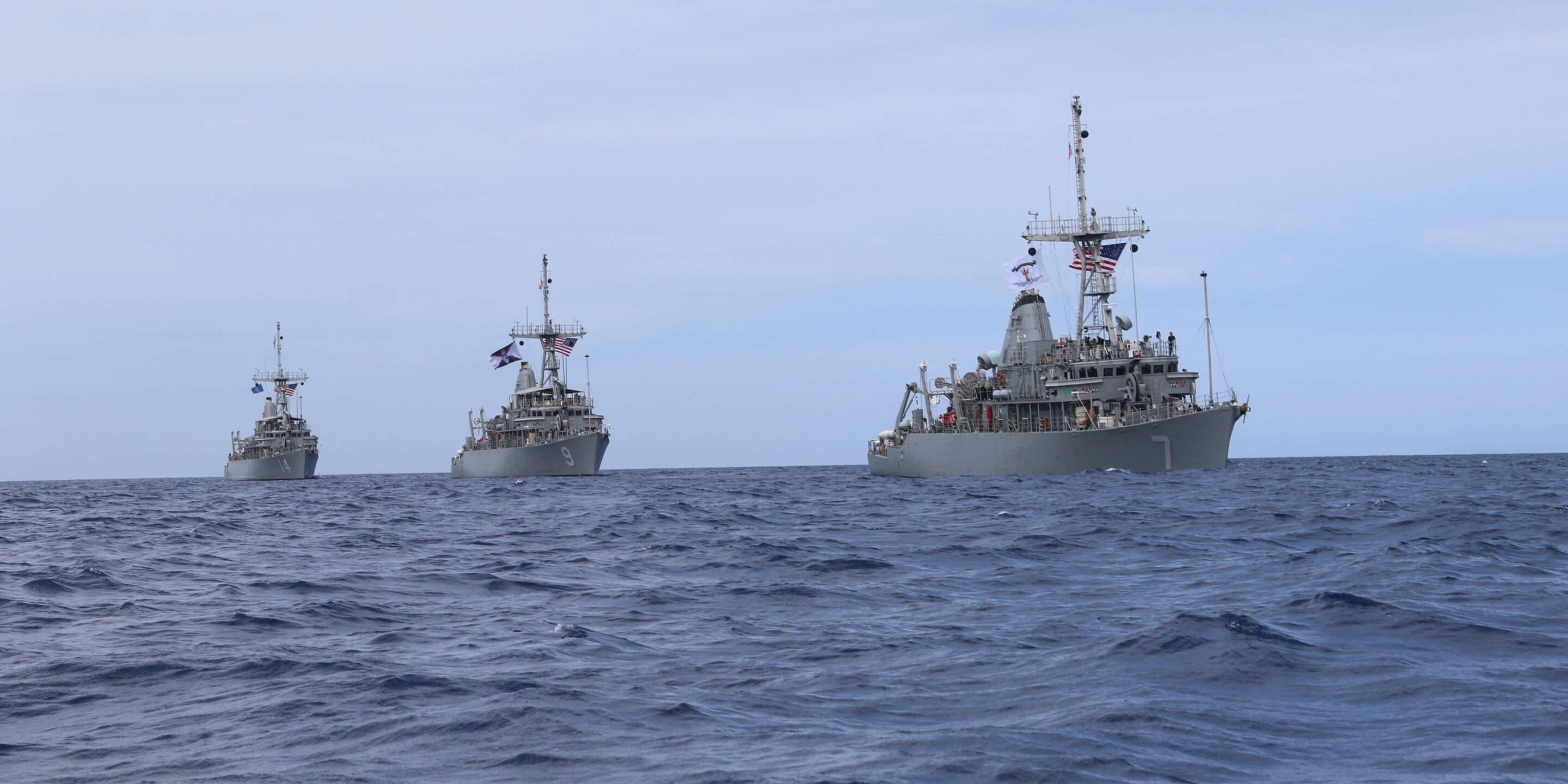
Aside from the exceedingly volatile issue of Taiwan, the next most dangerous issue in China-U.S. relations involves the maritime realm. A steady stream of reports has implicated the Chinese Coast Guard (CCG), along with the Chinese Maritime Militia, in bullying various neighbors within fishing disputes and concerning the right to explore for seabed resources. This combustible brew has led to crises in the very recent past, including a string of dangerous standoffs between the Philippines, a U.S. treaty ally, and China in and around Second Thomas Shoal in the South China Sea. These run-ins could have resulted in hostilities and even armed confrontation between the two nuclear-armed superpowers.

No doubt, Chinese non-military assets have engaged in aggressive behavior with maritime neighbors. Moreover, the Hague-based Permanent Court of Arbitration indicated in a 2016 ruling that many of China’s claims in the South China Sea are excessive. Still, the Western media has also engaged in threat inflation in this domain, regrettably. For example, a leading U.S. newspaper recently printed a correction after erroneously claiming in a front-page story that Chinese cutters were now mostly armed with anti-ship cruise missiles.

Read at The Diplomant

Author

Photo of Lyle Goldstein

Lyle
Goldstein

Director, Asia Program

Defense Priorities

More on Asia

Op-edChina‑Taiwan, Asia, Taiwan

Europe leans in on Taiwan. But to what end?

By Lyle Goldstein

July 2, 2026

Q&AAsia, China, Europe and Eurasia, Great power competition, Russia

How the U.S. pushes China and Russia together

By Lyle Goldstein

June 29, 2026

Op-edChina, Asia, Russia

The myth of a China-Russia axis

By Lyle Goldstein

June 26, 2026

In the mediaChina, Asia, Nuclear weapons

China’s missile, nuclear secrets still spreading despite promises of non-proliferation, report says

Featuring Lyle Goldstein

June 23, 2026

Op-edChina, Asia, North Korea

The world should welcome Xi Jinping’s efforts to improve ties with North Korea

By Lyle Goldstein

June 17, 2026

ExplainerAlliances, Asia, China, Europe and Eurasia, Russia

Assessing the China-Russia quasi-alliance

By Lyle Goldstein

June 16, 2026

Events on China

See All Events
virtualGreat power competition, Balance of power, China, Grand strategy, Middle East

U.S.-China competition and the value of Middle East influence

June 10, 2025
virtualChina, Alliances, Balance of power, Diplomacy, Grand strategy, Russia

China-Russia: Cooperation or a no-limits alliance?

April 3, 2025
virtualAsia, Basing and force posture, Burden sharing, China, Grand strategy

Rethinking U.S. strategy in East Asia: do more bases mean more deterrence?

January 24, 2024

Receive expert foreign policy analysis

Join the hub of realism and restraint

Expert updates and analysis to enhance your understanding of vital U.S. national security issues

Defense Priority Mono Logo

Our mission is to inform citizens, thought leaders, and policymakers of the importance of a strong, dynamic military—used more judiciously to protect America’s narrowly defined national interests—and promote a realistic grand strategy prioritizing restraint, diplomacy, and free trade to ensure U.S. security.

  • Experts
  • Papers
  • Symposia
  • Q&A
  • Polls
  • Events
  • Media
  • Terms and Conditions
  • Privacy Policy
  • About
  • Jobs
  • Contact
  • Donate
© 2026 Defense Priorities Foundation. All rights reserved.