In a 1987 New York Times advertisement, long before he became president, Donald Trump insisted that “America should stop paying to defend countries that can afford to defend themselves.” This has been a consistent theme of his foreign policy rhetoric since he first moved into the White House, and he has been especially focused on applying it to Europe.
During his first term, Trump jolted European allies by threatening to withdraw the United States from NATO, arguing that its members were not spending enough on their own defense and were free-riding on American taxpayers. Ultimately, he did not make good on the threat. All his administration mustered was a late, failed effort in the summer of 2020 to remove 12,000 troops from Germany.
This time around, his administration has adopted burden shifting as a rallying cry and seems poised to act on it. Almost immediately after taking office, Secretary of Defense Pete Hegseth traveled to Brussels to inform his counterparts that the United States would have to focus on priorities other than Europe’s defense. Europe itself, he said, needed to “take ownership of conventional security on the continent.” Last month, to turn this vision into reality, the Pentagon launched its Europe Posture Review, which is intended to be a critical assessment of U.S. troop deployments and basing commitments on the continent. Announcing it at the NATO defense ministerial, Hegseth was clear: “Europe can and must take primary responsibility for its conventional defense.” Such an outcome would amount to a transformation in the transatlantic alliance.
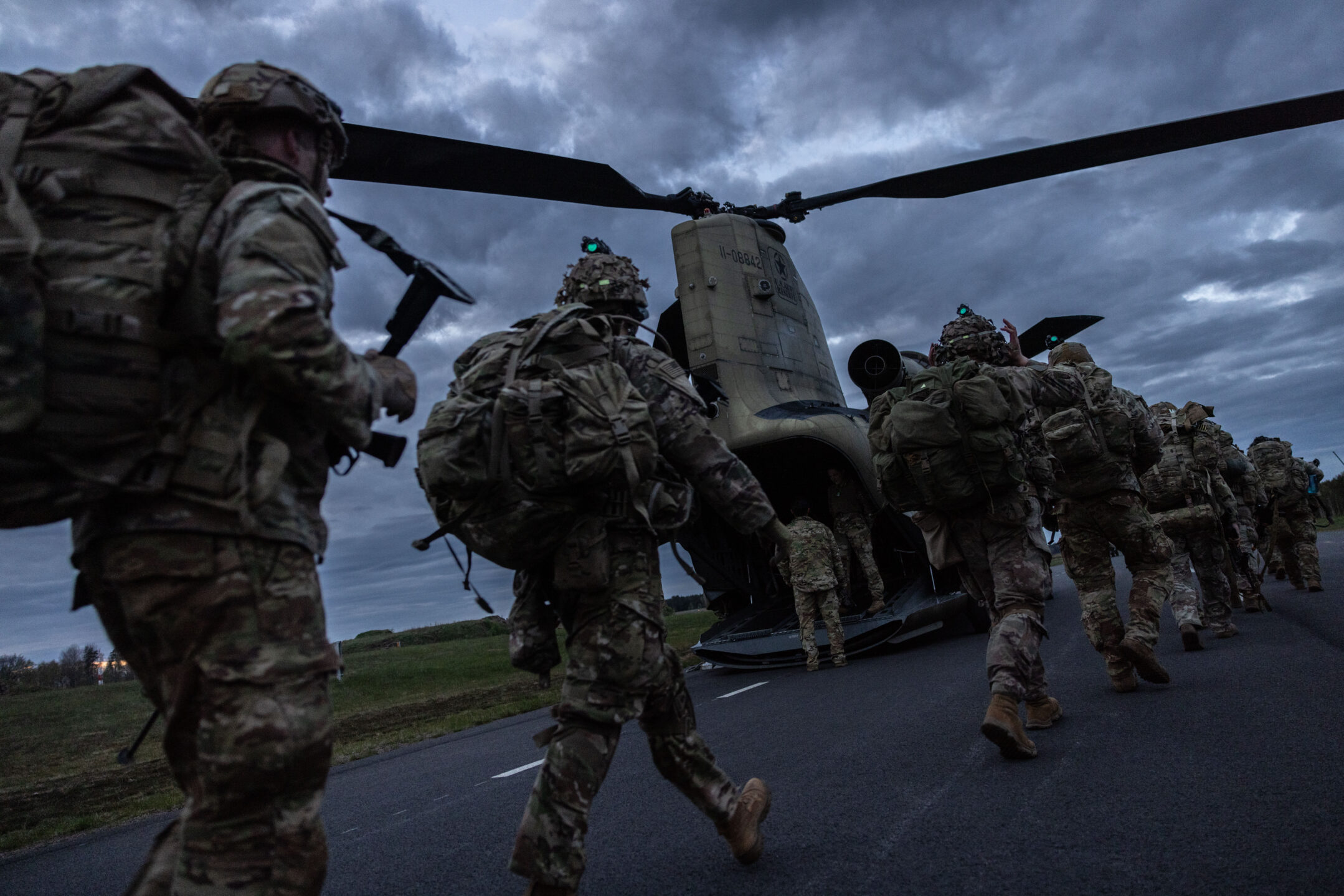
Since the founding of NATO after World War II, the United States has underwritten Europe’s defense and held the top military command position in the alliance. More than 75 years later, it still accounts for about 60 percent of NATO members’ military expenditures and stations some 80,000 troops on the continent and in the United Kingdom. Decades of American dominance have left Europe reliant on U.S. leadership, technology, and spending.
Author