Defense Priorities Defense Priorities
  • Policy Topics
    • Venezuela
    • China
    • Israel-Hamas
    • Ukraine-Russia
    • NATO
    • Syria
  • Analysis
    • Research
    • Q&A
  • Programs
    • Grand Strategy Program
    • Military Analysis Program
    • Asia Program
    • Middle East Program
  • Experts
  • Events
  • Media
  • About
    • Mission & Vision
    • People
    • Jobs
    • Contact
  • Donate
Select Page
Home / NATO / Donald Trump is half-right about NATO
NATO, Europe and Eurasia, Grand strategy

February 13, 2024

Donald Trump is half-right about NATO

By Daniel DePetris

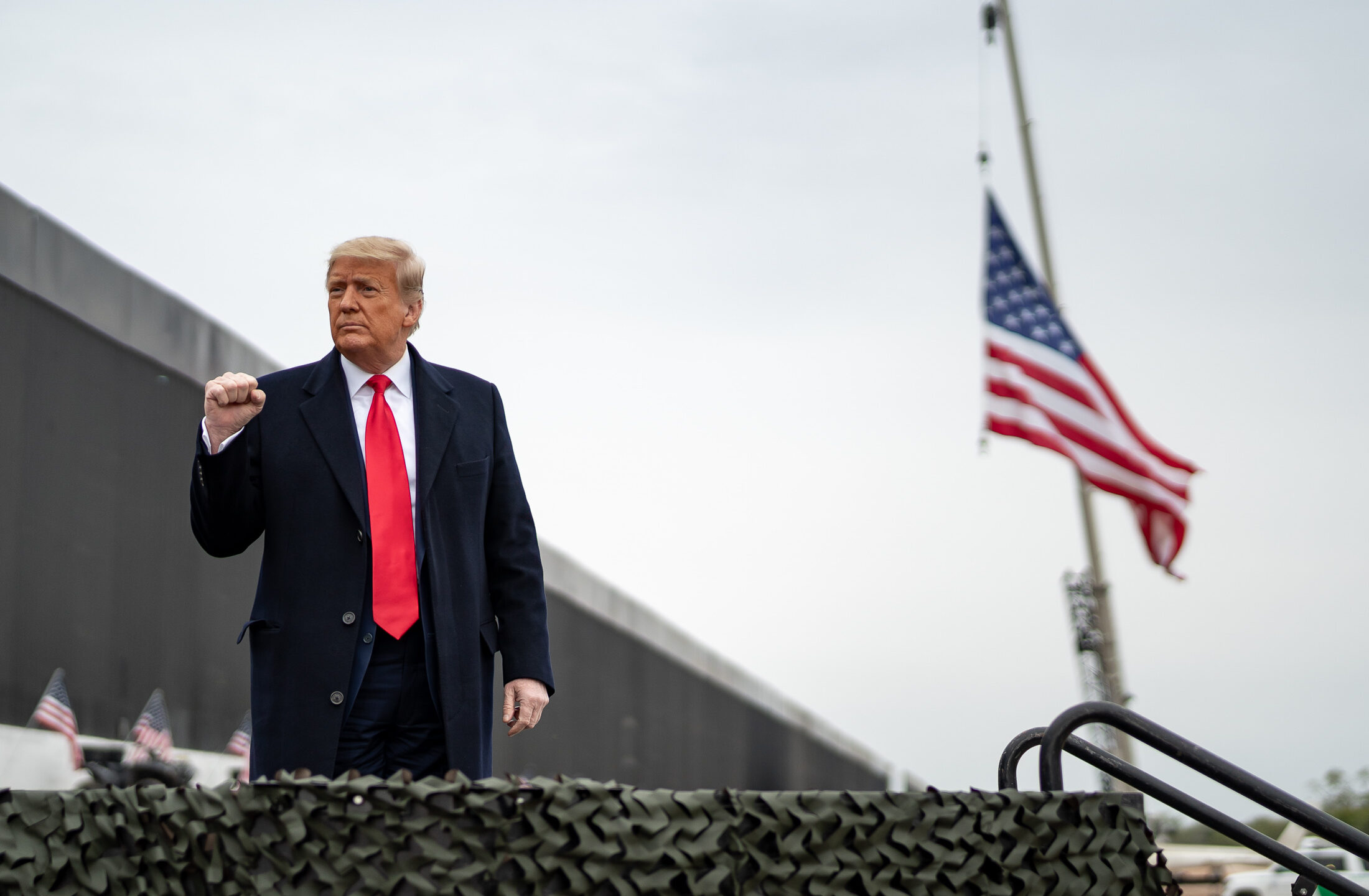
As tens of millions of Americans were huddled in front of their televisions to watch the Kansas City Chiefs snatch their second consecutive Super Bowl victory, Europeans across the pond—or at least European politicians responsible for the continent’s defense—were still coming to grips with what former president and GOP presidential candidate Donald Trump said in front of his supporters over the weekend.

During a rally on Saturday, Trump reminisced about when he told a European leader that the United States under his watch wouldn’t come to that country’s defense if it failed to meet NATO’s defense spending benchmarks. “One of the presidents of a big country stood up and said, ‘Well, sir, if we don’t pay and we’re attacked by Russia, will you protect us?’ I said, ‘You didn’t pay. You’re delinquent. … No, I would not protect you. In fact, I would encourage them to do whatever the hell they want.’”

It didn’t take long for the reactions to come pouring in. The Europeans clearly didn’t appreciate the comments, even if the remarks weren’t necessarily surprising coming from a man who has a long record of viewing alliances in transactional terms. NATO Secretary General Jens Stoltenberg, who had a decent working relationship with Trump, issued a stern statement warning that “any suggestion that allies will not defend each other undermines all of our security, including that of the U.S., and puts American and European soldiers at increased risk.” Charles Michel, president of the European Council, called Trump’s remarks “reckless” without naming the former president.

It’s hard not to sympathize. It’s never a good idea for anybody to essentially invite an aggressor country such as Russia to treat the European continent as a personal playpen. Especially so when the person in charge of Russia, Vladimir Putin, has a habit of invading other countries (see Georgia in 2008, Ukraine in 2014 and Ukraine again in 2022).

Read at The Chicago Tribune

Author

Photo of Daniel DePetris

Daniel
DePetris

Fellow

Defense Priorities

More on Europe

op-edUkraine‑Russia, Europe and Eurasia, Russia, Ukraine

Zelensky-Trump meeting produced no winners

By Jennifer Kavanagh

December 29, 2025

op-edUkraine‑Russia, Europe and Eurasia, NATO, Russia, Ukraine

Trump’s security promise to Ukraine may be more dangerous than it looks

By Jennifer Kavanagh

December 26, 2025

Press ReleaseAfrica, Counterterrorism

Refrain from additional strikes in Nigeria

By Jennifer Kavanagh

December 25, 2025

op-edUkraine‑Russia, Europe and Eurasia, Russia, Ukraine

Ukraine’s own pragmatism demands ‘armed un-alignment’

By Jennifer Kavanagh

December 22, 2025

In the mediaUkraine‑Russia, Europe and Eurasia, Russia, Ukraine

Ukraine negotiations: prospects and pitfalls of peace

Featuring Jennifer Kavanagh

December 19, 2025

ExplainerEurope and Eurasia, Russia

The bear in the Baltics: Reassessing the Russian threat in Estonia

By Jennifer Kavanagh and Jeremy Shapiro

December 18, 2025

Events on NATO

See All Events
virtualNATO, Alliances, Europe and Eurasia, Russia, Ukraine, Ukraine‑Russia

A ‘bridge’ to NATO or false hope for Ukraine?

July 12, 2024
virtualNATO, Alliances, Deterrence, Europe and Eurasia, Nuclear weapons

New York for Paris? NATO and extended deterrence in a new nuclear age

July 2, 2024
virtualNATO, Europe and Eurasia, Russia, Ukraine

Reexamining the U.S. role in European security

May 3, 2024

Receive expert foreign policy analysis

Join the hub of realism and restraint

Expert updates and analysis to enhance your understanding of vital U.S. national security issues

Defense Priority Mono Logo

Our mission is to inform citizens, thought leaders, and policymakers of the importance of a strong, dynamic military—used more judiciously to protect America’s narrowly defined national interests—and promote a realistic grand strategy prioritizing restraint, diplomacy, and free trade to ensure U.S. security.

  • Research
  • Experts
  • About
  • For Media
  • Jobs
  • Donate
  • Privacy Policy
  • Terms and Conditions
  • Contact
© 2026 Defense Priorities All Right Reserved