Defense Priorities Defense Priorities
  • Policy Topics
    • Iran
    • Western Hemisphere
    • Ukraine-Russia
    • NATO
    • China
    • Syria
  • Analysis
    • Research
    • Q&A
  • Programs
    • Grand Strategy Program
    • Military Analysis Program
    • Asia Program
    • Middle East Program
  • Experts
  • Events
  • Media
  • About
    • Mission & Vision
    • People
    • Jobs
    • Contact
  • Donate
Select Page
Home / China / Chinese strategists evaluate the use of ‘Kamikaze’ drones in the Russia-Ukraine War
China, Drones, Military analysis, Ukraine‑Russia

November 3, 2023

Chinese strategists evaluate the use of ‘Kamikaze’ drones in the Russia-Ukraine War

By Lyle Goldstein

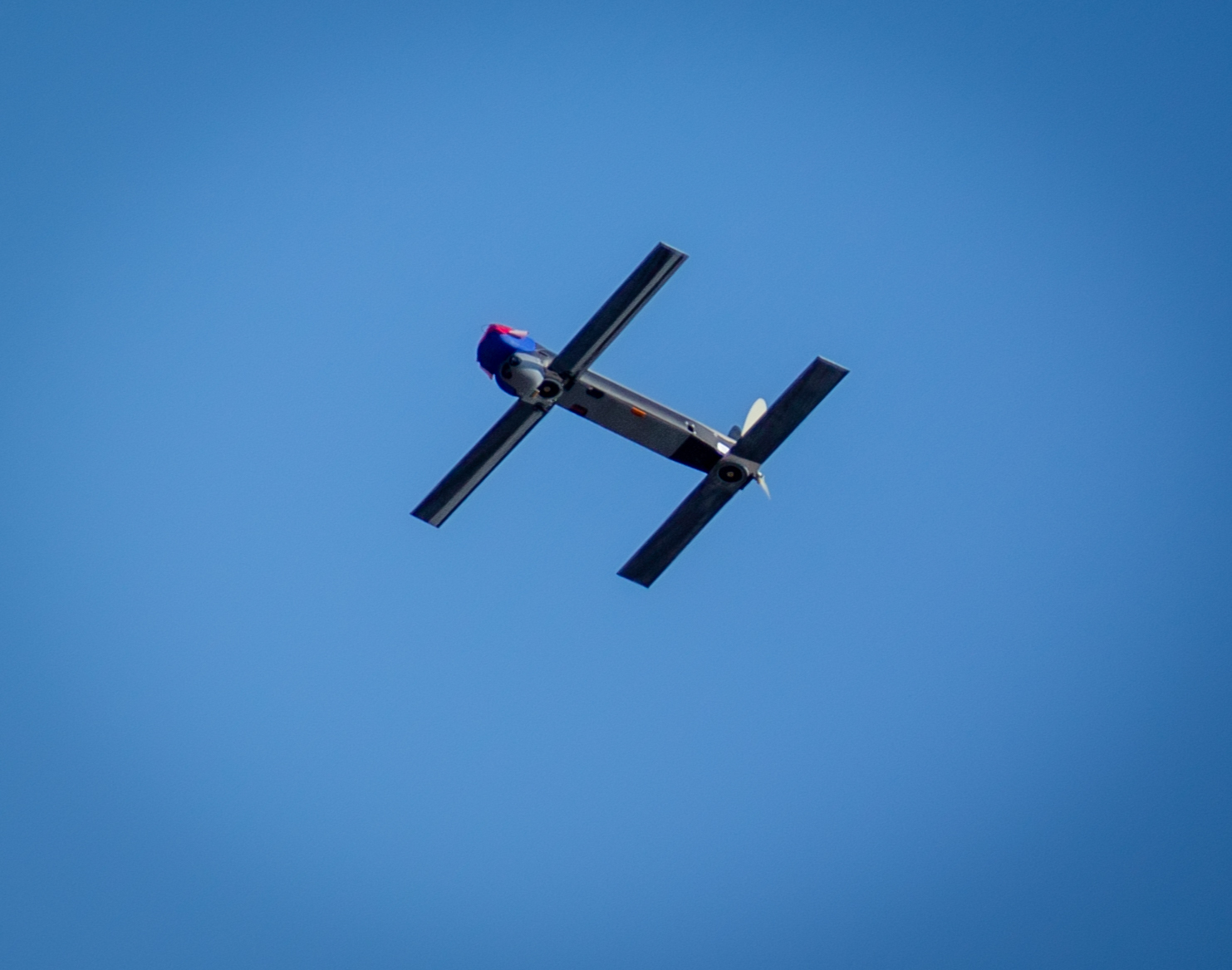
The war in Ukraine has put a spotlight on the employment of so-called kamikaze drones, or loitering munitions (巡飞弹). These are weapons that have some level of capacity to patrol over the battlefield before attacking a target in self-destructive fashion. They often combine intelligence, surveillance, and reconnaissance (ISR), communication nodes, and data transfer capabilities, as well as strike functionality, in one platform.

This class of weapons dates to at least the 1980s, when Israel developed the Harpy loitering munition for use in the suppression of enemy air defenses (SEAD). China would later acquire the Harpy from Israel in 1994 and has been studying loitering munitions for over two decades.

Both Russia and Ukraine have used loitering munitions successfully in the current war—and China is watching closely. A recent article titled “The Little Pests that Patrol the Battlefield” in the Chinese military periodical “Weapons” enumerates the lessons that Chinese strategists have learned.

“Despite their small size, loitering munitions have achieved big results in the Ukrainian large-scale war of attrition,” the Chinese analysis notes. This assessment highlights that these relatively low-cost weapons are destroying high value and expensive targets, such as air defense radars and missiles, as well as other important targets.

Read at The Diplomat

Author

Photo of Lyle Goldstein

Lyle
Goldstein

Director, Asia Program

Defense Priorities

More on Asia

op-edAsia

Why the U.S. and South Korea will not jointly construct nuclear submarines

By Lyle Goldstein

January 27, 2026

China, Asia

Fate of China’s top general more likely to do with power struggle than corruption

By Lyle Goldstein

January 26, 2026

op-edGrand strategy, Alliances, China, Greenland, Russia, Western Hemisphere

Russian and Chinese threats to Greenland and the new Arctic sea routes are low

By Lyle Goldstein

January 23, 2026

In the mediaChina, Asia, Military analysis, Naval power

China’s retro submarine design speeds up challenge to U.S. undersea dominance

Featuring Lyle Goldstein

January 23, 2026

In the mediaChina‑Taiwan, Asia, China, Taiwan

China, Taiwan, and the cost of american power: Is it worth sacrificing american lives for Taiwan?

Featuring Lyle Goldstein

January 20, 2026

In the mediaRussia, China

How threats of a polar war are coloring virtually every aspect of Trump’s foreign policy

Featuring Lyle Goldstein

January 19, 2026

Events on China

See All Events
virtualGreat power competition, Balance of power, China, Grand strategy, Middle East

U.S.-China competition and the value of Middle East influence

June 10, 2025
virtualChina, Alliances, Balance of power, Diplomacy, Grand strategy, Russia

China-Russia: Cooperation or a no-limits alliance?

April 3, 2025
virtualAsia, Basing and force posture, Burden sharing, China, Grand strategy

Rethinking U.S. strategy in East Asia: do more bases mean more deterrence?

January 24, 2024

Receive expert foreign policy analysis

Join the hub of realism and restraint

Expert updates and analysis to enhance your understanding of vital U.S. national security issues

Defense Priority Mono Logo

Our mission is to inform citizens, thought leaders, and policymakers of the importance of a strong, dynamic military—used more judiciously to protect America’s narrowly defined national interests—and promote a realistic grand strategy prioritizing restraint, diplomacy, and free trade to ensure U.S. security.

  • Research
  • Experts
  • About
  • For Media
  • Jobs
  • Donate
  • Privacy Policy
  • Terms and Conditions
  • Contact
© 2026 Defense Priorities All Right Reserved