Defense Priorities Defense Priorities
  • Policy Topics
    • Iran
    • Western Hemisphere
    • Ukraine-Russia
    • NATO
    • China
    • Syria
  • Analysis
    • Research
    • Q&A
  • Programs
    • Grand Strategy Program
    • Military Analysis Program
    • Asia Program
    • Middle East Program
  • Experts
  • Events
  • Media
  • About
    • Mission & Vision
    • People
    • Jobs
    • Contact
  • Donate
Select Page
Home / Iran / Bombing Iran would shore up its regime
Iran, Middle East

January 22, 2026

Bombing Iran would shore up its regime

By Rosemary Kelanic

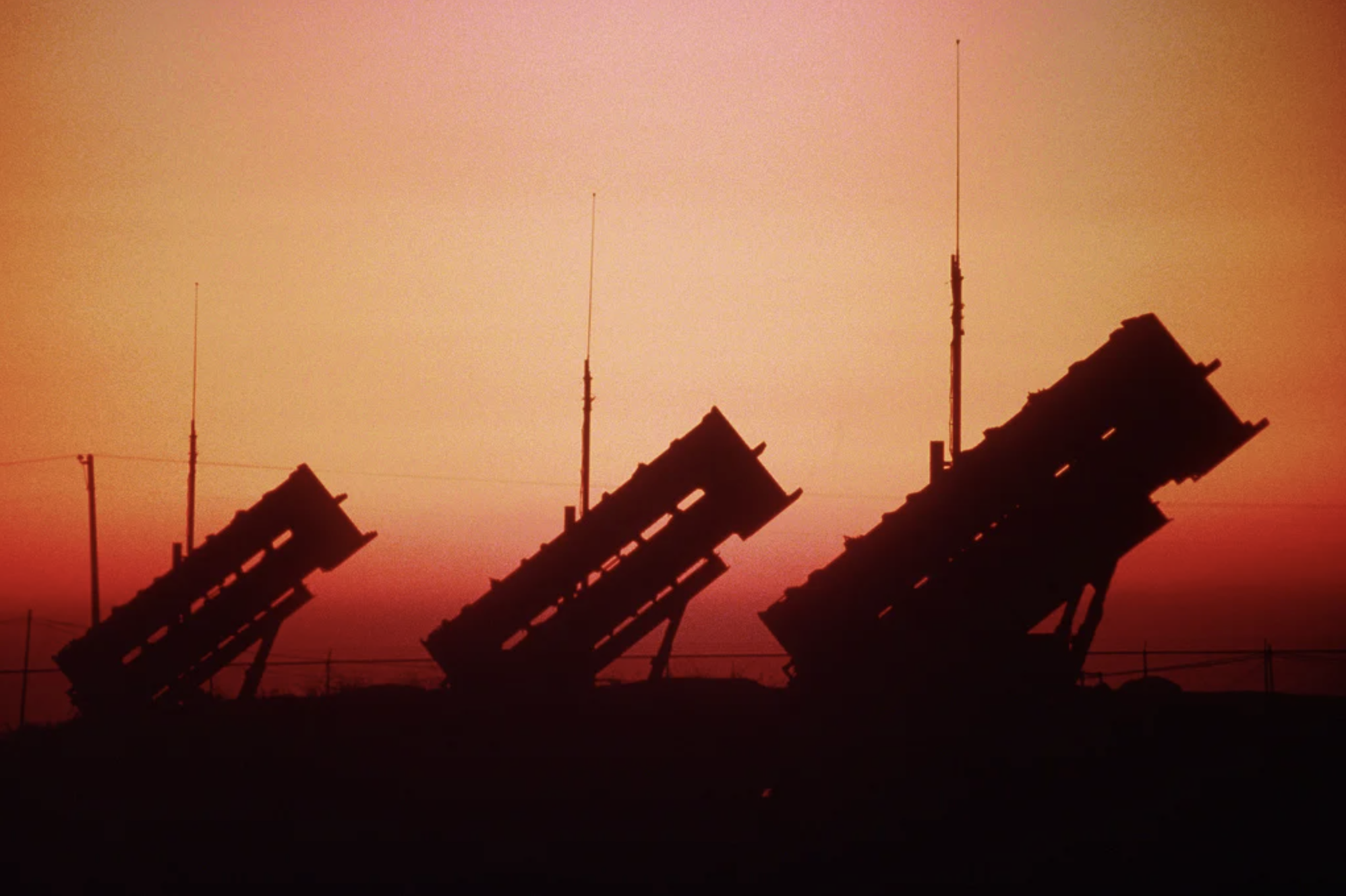
President Donald Trump has escalated his threats to use military force amid Iran’s violent crackdowns on protests, which have killed as many as 20,000 Iranians. In recent days, he has called for regime change in the Islamic Republic and ordered the Abraham Lincoln carrier group to the Middle East, its arrival expected later this month.

But attacks on Iran would undermine the very protestors Trump purports to defend. Worse, it would expose U.S. forces in the region to an Iranian counterattack that Tehran has signaled would be much harsher than last summer’s response to U.S. strikes on Iranian nuclear sites.

U.S. military force would be counterproductive to creating favorable political change in Iran. Trump’s threats risk discrediting the protestors as foreign stooges, which makes it easier for the regime to justify harsh measures to repress them. Israel claimed to be involved in the uprisings, and the regime has used those claims to tarnish the legitimacy of all Iranian protesters. The perception of foreign sponsorship could both delegitimize the movement and fracture the broad social coalition that gives such uprisings power.

Moreover, bombs usually stiffen a government’s grip on power, not loosen it. That’s especially true in countries that have long suffered from foreign meddling, such as Iran, where the U.S.-backed ouster of Mohammed Mosaddegh in 1953 remains a source of anger, and where the war launched in 1980 by Iraq’s Saddam Hussein solidified support for the new Islamist regime. External attacks stir up nationalism and redirect public anger outward, creating “rally-around-the-flag” effects that political scientists have documented for decades. The world witnessed this very dynamic last summer when Israel’s attack on Iran destroyed the influence of regime moderates.

Read at Defense One

Author

Rosemary
Kelanic

Director, Middle East Program

Defense Priorities

More on Middle East

op-edSyria, Middle East

The U.S. couldn’t prop up the Kurds forever

By Rosemary Kelanic

February 4, 2026

op-edIran, Middle East

Trump’s global gunboat diplomacy leaves the U.S. overstretched

By Alexander Langlois

February 3, 2026

op-edIran, Middle East

Ignore the Hawks. Attacking Iran comes with huge risks

By Peter Harris

February 1, 2026

op-edSyria, Middle East

The U.S. should pull the plug on its Syria deployment

By Daniel DePetris

February 1, 2026

op-edMiddle East, Iran, Israel‑Hamas, Israel‑Iran, Syria

Trump’s Middle East policy is teetering on overextension

By William Walldorf

January 29, 2026

op-edSyria, Middle East

The U.S. is adapting its Syria strategy. Here’s why that’s a problem.

By Alexander Langlois

January 28, 2026

Events on Iran

See All Events
virtualMiddle East, Basing and force posture, Diplomacy, Houthis, Iran, Iraq, Israel, Israel‑Hamas, Military analysis, Syria

Trump in the Middle East: Impacts, implications, and alternatives

May 16, 2025
virtualHouthis, Iran, Israel‑Hamas, Middle East, Yemen

Houthi conundrum: defend, degrade, or defer

March 28, 2024
virtualMiddle East, Iran, Israel‑Hamas, Israel‑Iran, Syria, Yemen

Keeping the U.S. out of war in the Middle East

January 16, 2024

Receive expert foreign policy analysis

Join the hub of realism and restraint

Expert updates and analysis to enhance your understanding of vital U.S. national security issues

Defense Priority Mono Logo

Our mission is to inform citizens, thought leaders, and policymakers of the importance of a strong, dynamic military—used more judiciously to protect America’s narrowly defined national interests—and promote a realistic grand strategy prioritizing restraint, diplomacy, and free trade to ensure U.S. security.

  • Research
  • Experts
  • About
  • For Media
  • Jobs
  • Donate
  • Privacy Policy
  • Terms and Conditions
  • Contact
© 2026 Defense Priorities All Right Reserved