Defense Priorities Defense Priorities
  • Policy Topics
    • US-Israel-Iran
    • Ukraine-Russia
    • Western Hemisphere
    • NATO
    • China
  • Analysis
    • Policy Papers
    • Symposia
    • Q&A
    • Polls
    • Grand Strategy Explained
    • Target Taiwan
  • Programs
    • Grand Strategy Program
    • Military Analysis Program
    • Asia Program
    • Middle East Program
  • Experts
  • Events
  • Media
  • About
    • Mission & Vision
    • People
    • Jobs
    • Contact
  • Donate
Select Page
Home / Middle East / Saudi Arabia’s New Maritime Coalition Is a Warning for the U.S.
Middle East

August 21, 2026

Saudi Arabia’s New Maritime Coalition Is a Warning for the U.S.

By Alexander Langlois

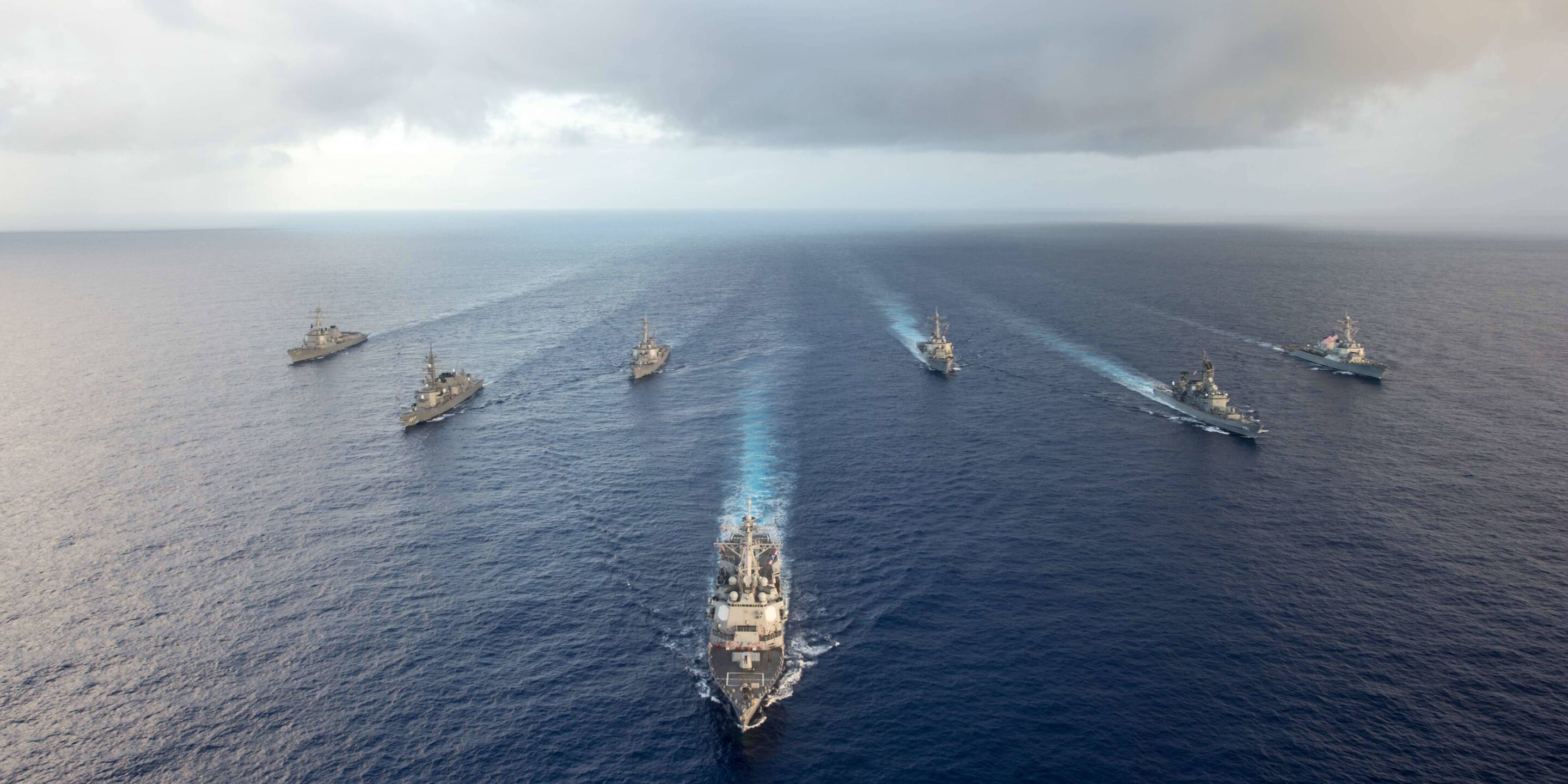
Saudi Arabia officially launched its 15-country Red Sea maritime alliance on August 13, marking the latest shift in the Middle East toward regionally-led security frameworks. While the Multinational Maritime Defense Alliance is unlikely to fully prevent the Yemen-based Houthi movement (Ansar Allah) from disrupting Red Sea shipping via the Bab el-Mandeb Strait, it does represent a key moment for a region undergoing substantial geopolitical shifts. The most important aspect of this development is simple: The region, not the United States, should hold primary responsibility for its security.

Reports of the maritime alliance first emerged in late July. Riyadh then released a statement confirming its effort to establish the pact on July 30. The Houthis had announced a blockade of Saudi shipping in the Red Sea just days earlier, on July 21, citing the kingdom’s ongoing land, sea, and air blockade of Yemeni territory under its control. That blockade has lasted since Saudi Arabia entered the Yemeni civil war in 2015, leading a coalition of states against the Houthis as it fought the Internationally Recognized Government of Yemen (IRG) for control of the country.

That war has gone poorly for Saudi Arabia and its one-time ally in the conflict, the United Arab Emirates, as they backed different factions while failing to dislodge the Houthis. A largely informal 2022 truce helped keep the peace along the frontlines, albeit with factional infighting, with the IRG leading the Saudis to force the Emiratis out of Yemen while sidelining or co-opting their local proxies in late 2025 and early 2026. This recent consolidation, alongside the regional conflict between the United States and Israel, on the one hand, and Iran and its “Axis of Resistance” allies on the other, helped foster conditions in Yemen for today’s renewed fighting.

Read at National Interest

Author

Alexander
Langlois

Contributing Fellow

Defense Priorities

More on Middle East

Op-edUS‑Israel‑Iran, Iran, Middle East

Let Iran Control the Strait of Hormuz

By Rosemary Kelanic

August 24, 2026

Op-edIsrael, Middle East

Pitch for defense treaty and moving U.S. military to Israel is insane

By Jennifer Kavanagh

August 24, 2026

Op-edUS‑Israel‑Iran, Iran, Middle East

Trump’s Iran Economic D-Day is delusional

By Daniel DePetris

August 21, 2026

Op-edMiddle East

It’s Time to Pull U.S. Troops from the Middle East

By Alexander Langlois

August 19, 2026

In the mediaUS‑Israel‑Iran, Basing and force posture, Iran, Middle East, Military analysis

Pentagon weighing smaller U.S. military presence in Gulf once Iran war ends

Featuring Jennifer Kavanagh and Dan Caldwell

August 18, 2026

Op-edIsrael, Middle East

Israel can no longer deny the shift in U.S. politics

By Daniel DePetris

August 18, 2026

Events on Middle East

See All Events
virtualMiddle East

What’s Next for U.S. Foreign Policy in 2026? Middle East Edition

January 14, 2026
virtualGreat power competition, Balance of power, China, Grand strategy, Middle East

U.S.-China competition and the value of Middle East influence

June 10, 2025
virtualMiddle East, Basing and force posture, Diplomacy, Houthis, Iran, Iraq, Israel, Israel‑Hamas, Military analysis, Syria

Trump in the Middle East: Impacts, implications, and alternatives

May 16, 2025

Receive expert foreign policy analysis

Join the hub of realism and restraint

Expert updates and analysis to enhance your understanding of vital U.S. national security issues

Defense Priority Mono Logo

Our mission is to inform citizens, thought leaders, and policymakers of the importance of a strong, dynamic military—used more judiciously to protect America’s narrowly defined national interests—and promote a realistic grand strategy prioritizing restraint, diplomacy, and free trade to ensure U.S. security.

  • Experts
  • Papers
  • Symposia
  • Q&A
  • Polls
  • Events
  • Media
  • Terms and Conditions
  • Privacy Policy
  • About
  • Jobs
  • Contact
  • Donate
© 2026 Defense Priorities Foundation. All rights reserved.