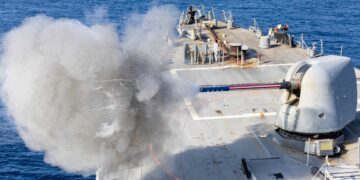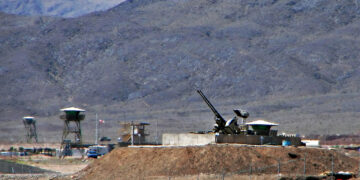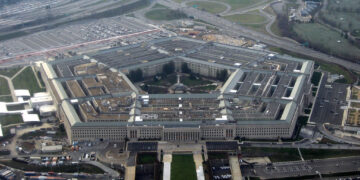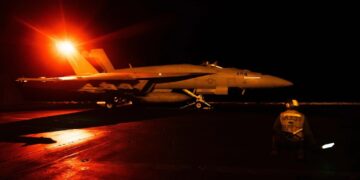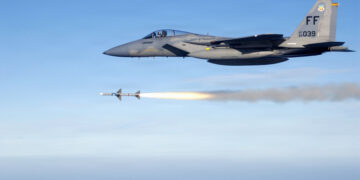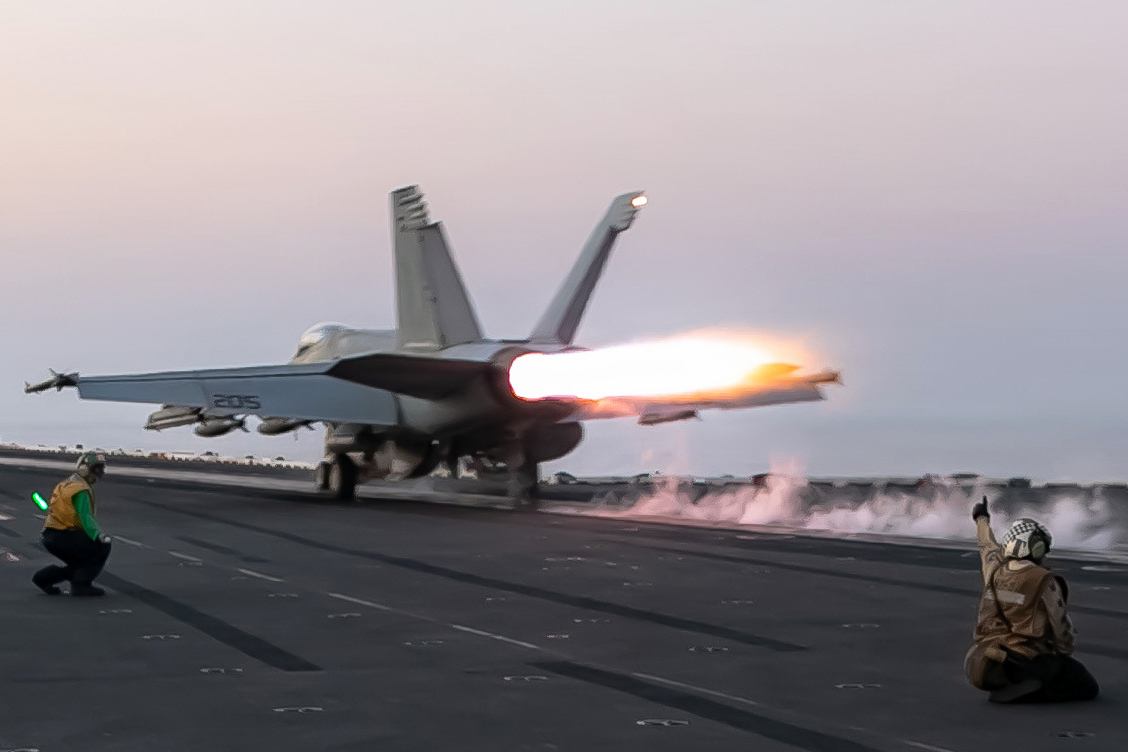
In launching his war on Iran, U.S. President Donald Trump promised quick and decisive results. More than six months later, despite thousands of airstrikes, thousands of dead Iranians, and the destruction of Tehran’s air force and navy, Iran is unbowed. Its new leaders are more radical and uncompromising than those killed by the United States and Israel at the start of the war. By disrupting traffic through the Strait of Hormuz, Iran holds the global economy hostage as the supply of oil, gas, and refined fuels out of the Gulf remains intermittent. For the Trump administration and its dwindling core of supporters, the hunt is on for excuses.
There is a default narrative for Washington’s military failures—one that is more than likely to be picked up by Trump and only compound his failure. It is the narrative of triumph forsaken: The United States can still defeat Iran if only it has the will and endurance. It just has to endure more pain and launch more missiles. Retired U.S. Army Gen. Jack Keane picked up on this supposed solution: “We really do have the capability to end this militarily if we desire to.”
Triumph forsaken is an old trope in U.S. military history. One prominent revisionist account of the Vietnam War bears that very title. This belief that any defeat is merely a lost victory springs from a fixation on material conditions and numerical calculations of comparative military strength—the bean counting school of military analysis. Since World War II more than 80 years ago, the United States has never fought a foe with peer or near-peer military or economic strength. In many cases, such as Afghanistan, the disparity in power between the U.S. military and its adversary was so large as to be absurd. Yet despite this massive imbalance, Washington has clearly and repeatedly lost wars. Repeating the failures of U.S. policymakers and military planners in Vietnam, the architects of the war in Afghanistan elided the political obstacles to victory to make the case that a flawed strategy could work with just more time and willpower.
Author

More on Middle East