Defense Priorities Defense Priorities
  • Policy Topics
    • US-Israel-Iran
    • Ukraine-Russia
    • Western Hemisphere
    • NATO
    • China
  • Analysis
    • Policy Papers
    • Symposia
    • Q&A
    • Polls
    • Grand Strategy Explained
    • Target Taiwan
  • Programs
    • Grand Strategy Program
    • Military Analysis Program
    • Asia Program
    • Middle East Program
  • Experts
  • Events
  • Media
  • About
    • Mission & Vision
    • People
    • Jobs
    • Contact
  • Donate
Select Page
Home / Middle East / Will America’s nuclear energy offer draw Saudi Arabia into the Abraham Accords?
Middle East, Nuclear weapons

October 10, 2026

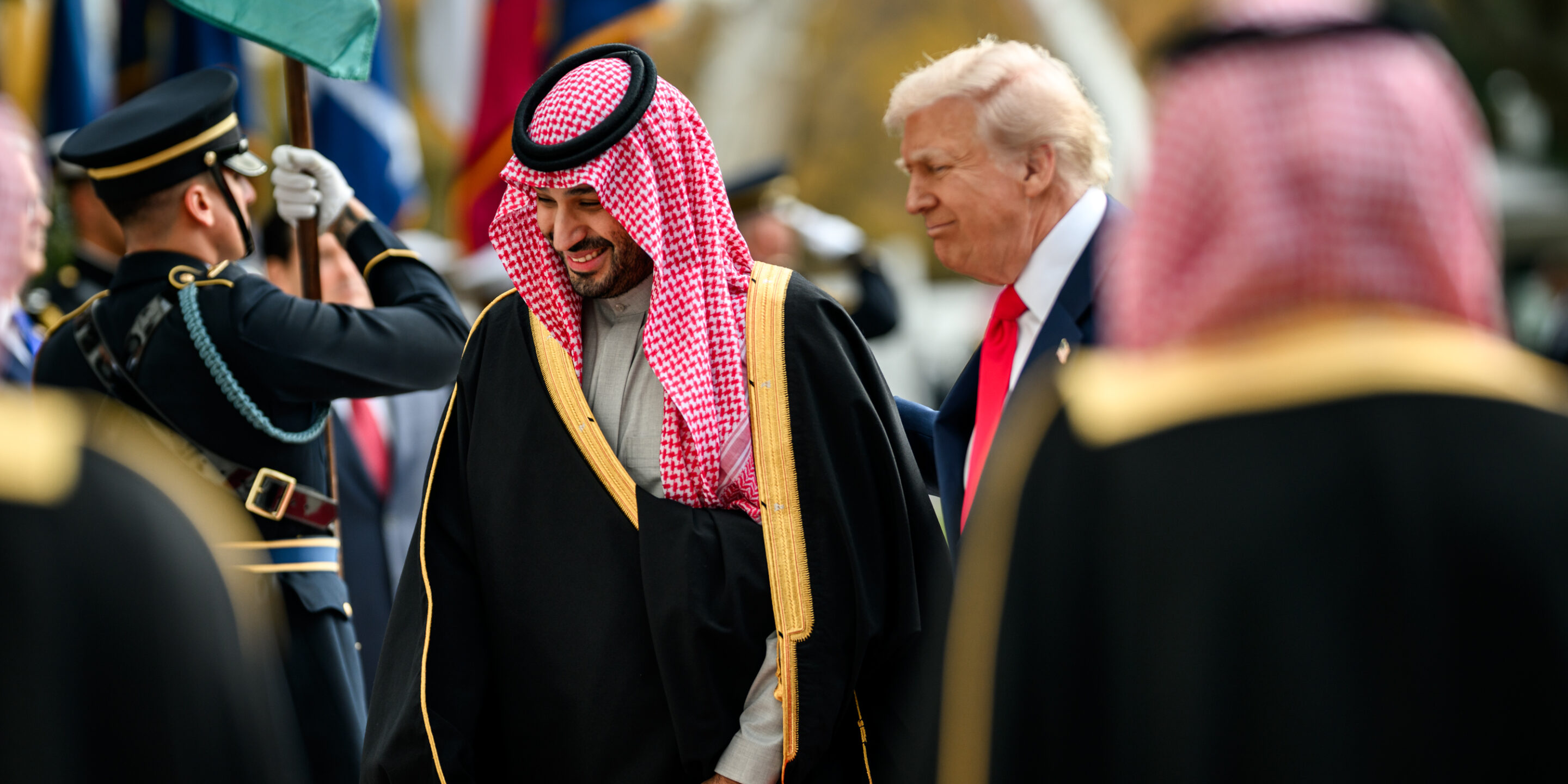
Will America’s nuclear energy offer draw Saudi Arabia into the Abraham Accords?

The director of the Middle East program at Defense Priorities, Rosemary Kelanic, is skeptical that a public commitment alone would satisfy Riyadh, noting that past promises have collapsed too many times. She believes that only concrete steps toward statehood would be believable — something she does not see happening under any government led by Mr. Netanyahu.

On the current trajectory, both Mr. Gause and Ms. Kelanic suggest that Saudi Arabia’s participation in the Abraham Accords is years, not months, away if it is to happen at all. But, they say, linking the Accords to the nuclear deal is not necessarily a bad outcome.

“Offering to build enrichment facilities in Saudi Arabia is a terrible idea and should be abandoned entirely because it would give the Saudis an enormous leg-up on developing their own nuclear weapons program, and the U.S. should not help any country obtain nuclear weapons — especially not a country implicated in the 9/11 terrorist attacks and where 15 of the 19 hijackers originated,” Ms. Kelanic tells the Sun.

“If there is any country where nuclear weapons could fall into the wrong hands, it is Saudi Arabia.”

Read at New York Sun

Featuring

Rosemary
Kelanic

Director, Middle East Program

Defense Priorities

More on Middle East

An oil refinery in Moscow
Q&AUS‑Israel‑Iran, Middle East, Ukraine‑Russia

Washington’s foreign policy scramble to lower fuel prices

By Rosemary Kelanic

October 30, 2026

In the mediaMiddle East, Israel, Israel‑Iran, US‑Israel‑Iran

Election is unlikely to change Israeli military strategy

Featuring Benjamin Friedman

October 27, 2026

ExplainerBasing and global posture, Middle East, Military analysis

An access-only posture for the Middle East

By Jennifer Kavanagh

October 26, 2026

Op-edMiddle East, Israel, Israel‑Hamas, Israel‑Iran

If Israel gets a new prime minister, will anything change?

By Daniel DePetris

October 26, 2026

Op-edIran, Basing and global posture, Middle East, Military analysis

Trump claims we’ve beaten Iran. But U.S. isn’t close to victory

By Daniel DePetris

October 23, 2026

Op-edUS‑Israel‑Iran, Middle East

Myths of battlefield triumph are destroying the U.S. military

By Gil Barndollar

October 20, 2026

Events on Middle East

See All Events
virtualMiddle East

What’s Next for U.S. Foreign Policy in 2026? Middle East Edition

January 14, 2026
virtualGreat power competition, Balance of power, China, Grand strategy, Middle East

U.S.-China competition and the value of Middle East influence

June 10, 2025
virtualMiddle East, Basing and global posture, Diplomacy, Houthis, Iran, Iraq, Israel, Israel‑Hamas, Military analysis, Syria

Trump in the Middle East: Impacts, implications, and alternatives

May 16, 2025

Receive expert foreign policy analysis

Join the hub of realism and restraint

Expert updates and analysis to enhance your understanding of vital U.S. national security issues

Defense Priority Mono Logo

Our mission is to inform citizens, thought leaders, and policymakers of the importance of a strong, dynamic military—used more judiciously to protect America’s narrowly defined national interests—and promote a realistic grand strategy prioritizing restraint, diplomacy, and free trade to ensure U.S. security.

Defense Priorities Foundation is a 501(c)(3) non-profit organization supported entirely by donations from individuals and foundations—no funding comes from the U.S. government or any foreign government. Donations are unlimited and deductible for Federal Income Tax purposes.

  • Experts
  • Papers
  • Symposia
  • Q&A
  • Polls
  • Events
  • Media
  • Terms and Conditions
  • Privacy Policy
  • About
  • Jobs
  • Contact
  • Donate
© 2026 Defense Priorities Foundation. All rights reserved.