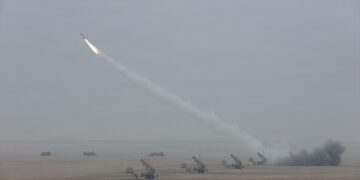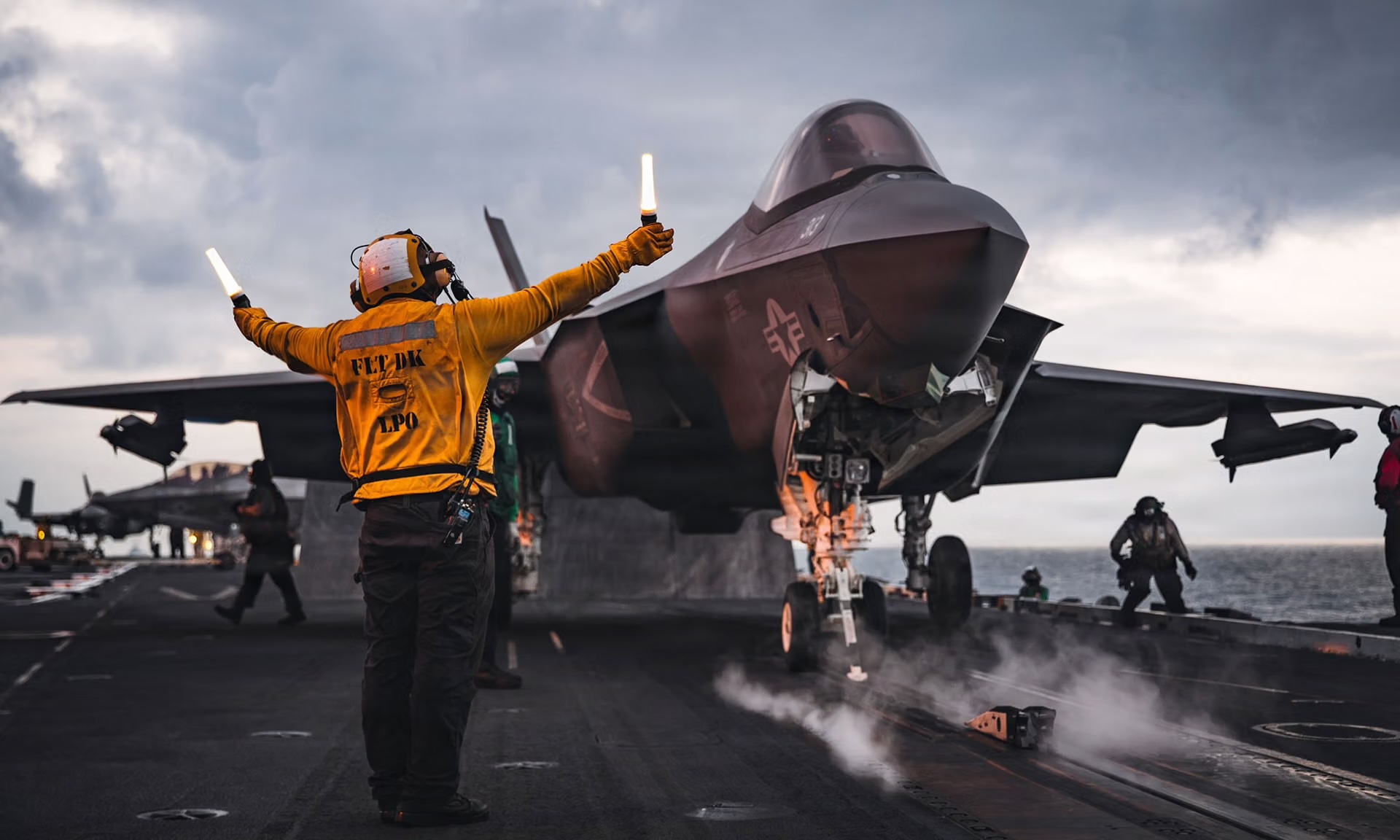
If there’s one subject that unifies the Democratic Party after their midterm election victory this month, it’s ending the war in Iran. Chuck Schumer, who will likely return as Senate Majority Leader when the next Congress is gaveled into session on January 3, declared that terminating the conflict was at the top of his to-do list. The top House Democrat, Hakeem Jeffries, echoed that sentiment: “We need to end the reckless and costly war of choice in Iran. That’s been a commitment that we’ve made.”
At first glance, none of these remarks are particularly surprising. Throughout the midterms, the Democrats pegged the nagging cost of living and higher energy prices stateside to the war that’s occurring thousands of miles away in the Persian Gulf. It turned out to be a winning political strategy. Compelling President Trump into ending hostilities by filing another War Powers Resolution on the Senate floor or by cutting off funds for the war would just be a logical extension of what the party ran on.
But these scuffles between the administration and Congress show that something more fundamental is taking shape: For the first time in a very long time, the fight over which branch of government is ultimately responsible for deciding when the United States enters and ends an armed conflict is emerging as a prime issue.
Author

More on Middle East