Defense Priorities Defense Priorities
  • Policy Topics
    • US-Israel-Iran
    • Ukraine-Russia
    • Western Hemisphere
    • NATO
    • China
  • Analysis
    • Policy Papers
    • Symposia
    • Q&A
    • Polls
    • Grand Strategy Explained
    • Target Taiwan
  • Programs
    • Grand Strategy Program
    • Military Analysis Program
    • Asia Program
    • Middle East Program
  • Experts
  • Events
  • Media
  • About
    • Mission & Vision
    • People
    • Jobs
    • Contact
  • Donate
Select Page
Home / Middle East / Why self-interest may stop the mideast blow-up
Middle East, Grand strategy, Iran, Israel, Israel‑Hamas

August 14, 2024

Why self-interest may stop the mideast blow-up

By Daniel DePetris

The Middle East has been on tenterhooks over the last two weeks. Israel’s assassinations of the senior Hezbollah commander Fuad Shukr in Beirut and the Hamas political chief Ismail Haniyeh in Tehran, which occurred less than 24 hours apart, were operational successes demonstrating the reach, lethality, and capability of Israel’s security services. Yet the killings of these two high-profile figures have generated extreme concern about the prospects of a full-blown war erupting between Israel and the United States on the one hand and Iran and its regional proxies on the other.

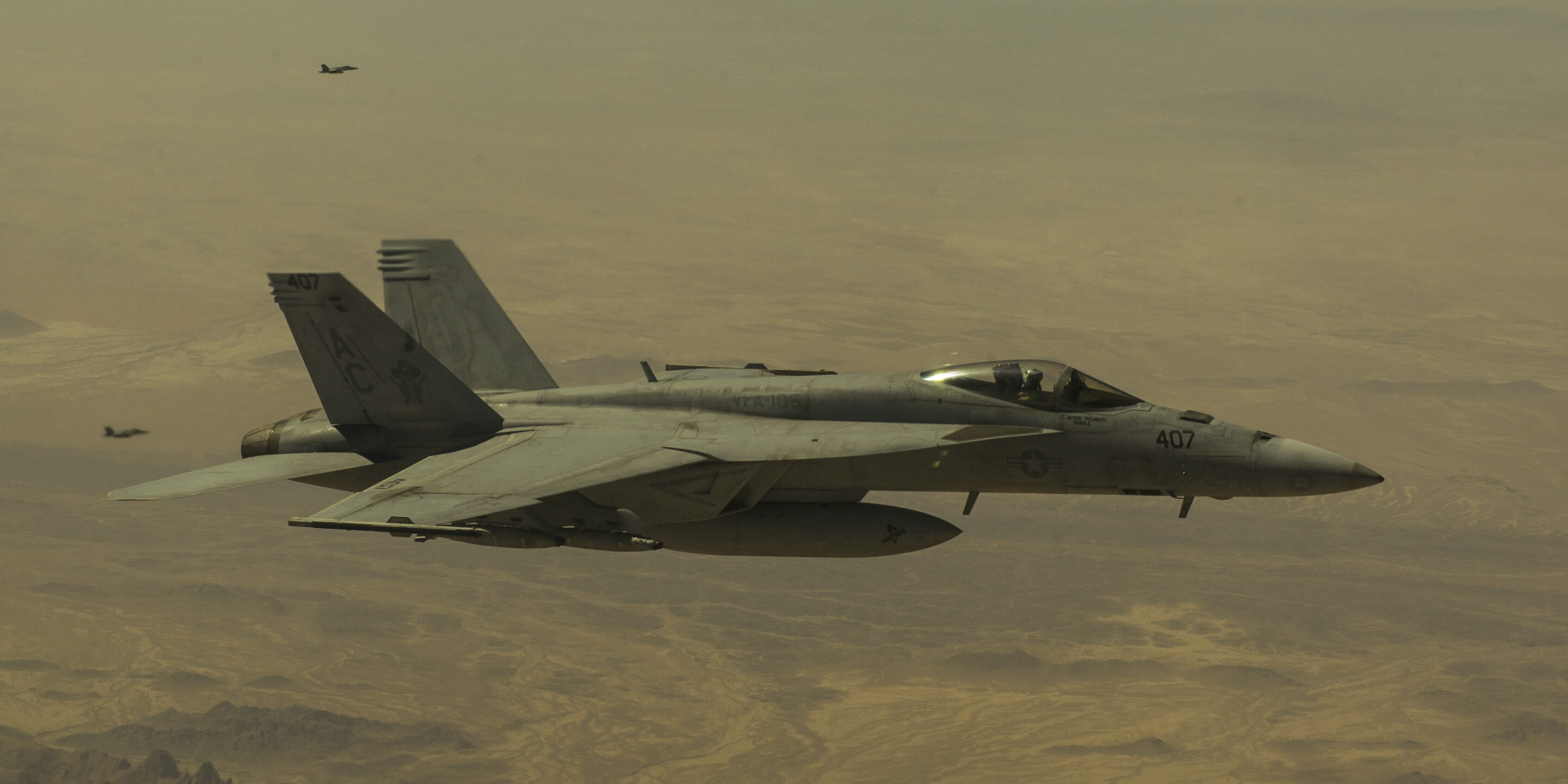
According to the conventional wisdom, it’s only a matter of time before Iran and Hezbollah retaliate against Israel militarily. Iran’s Supreme Leader Ayatollah Ali Khamenei has reportedly given the order to strike. Hezbollah Secretary-general Hassan Nasrallah has done the same. In Israel, people have been told to prepare for an imminent, large-scale attack by stockpiling necessities. The United States, meanwhile, has ordered more military assets to the region, including additional F-22 and F/A-18 fighter aircraft, to deter Iran and assist Israel’s defenses.

Is the Middle East on the precipice of a regional conflict? While no official or analyst can say with absolute certainty, there are cold-hearted, self-interested reasons why the major players involved would want to shy away from it.

Read at The American Conservative

Author

Photo of Daniel DePetris

Daniel
DePetris

Fellow

Defense Priorities

More on Middle East

Op-edMiddle East, Iran, Israel‑Iran, US‑Israel‑Iran

What the Israeli Elections Mean for U.S. National Security

By William Walldorf

November 5, 2026

In the mediaMiddle East, Israel, Israel‑Iran, US‑Israel‑Iran

After midterm loss, Trump is left to weigh his next move in Iran war

Featuring Brian Haggerty

November 5, 2026

Op-edMiddle East, Iran, Israel‑Iran, US‑Israel‑Iran

Could the new Congress bring an end to the Iran war?

By Daniel DePetris

November 4, 2026

Op-edGrand strategy, Cuba, Iran

Three places where Trump’s post-election foreign policy could ramp up

By Daniel DePetris

November 4, 2026

Op-edMiddle East, Iran, Israel‑Iran, US‑Israel‑Iran

The next Congress shouldn’t let Iran become a ‘background war’

By Andrew Jarocki

November 4, 2026

In the mediaUS‑Israel‑Iran, Iran, Middle East

What Will Trump Do Now In The Iran War After The Midterms?

Featuring Rosemary Kelanic

November 4, 2026

Events on Middle East

See All Events
virtualMiddle East

What’s Next for U.S. Foreign Policy in 2026? Middle East Edition

January 14, 2026
virtualGreat power competition, Balance of power, China, Grand strategy, Middle East

U.S.-China competition and the value of Middle East influence

June 10, 2025
virtualMiddle East, Basing and global posture, Diplomacy, Houthis, Iran, Iraq, Israel, Israel‑Hamas, Military analysis, Syria

Trump in the Middle East: Impacts, implications, and alternatives

May 16, 2025

Receive expert foreign policy analysis

Join the hub of realism and restraint

Expert updates and analysis to enhance your understanding of vital U.S. national security issues

Defense Priority Mono Logo

Our mission is to inform citizens, thought leaders, and policymakers of the importance of a strong, dynamic military—used more judiciously to protect America’s narrowly defined national interests—and promote a realistic grand strategy prioritizing restraint, diplomacy, and free trade to ensure U.S. security.

Defense Priorities Foundation is a 501(c)(3) non-profit organization supported entirely by donations from individuals and foundations—no funding comes from the U.S. government or any foreign government. Donations are unlimited and deductible for Federal Income Tax purposes.

  • Experts
  • Papers
  • Symposia
  • Q&A
  • Polls
  • Events
  • Media
  • Terms and Conditions
  • Privacy Policy
  • About
  • Jobs
  • Contact
  • Donate
© 2026 Defense Priorities Foundation. All rights reserved.