Defense Priorities Defense Priorities
  • Policy Topics
    • Iran
    • Western Hemisphere
    • Ukraine-Russia
    • NATO
    • China
    • Syria
  • Analysis
    • Research
    • Q&A
  • Programs
    • Grand Strategy Program
    • Military Analysis Program
    • Asia Program
    • Middle East Program
  • Experts
  • Events
  • Media
  • About
    • Mission & Vision
    • People
    • Jobs
    • Contact
  • Donate
Select Page
Home / Asia / Why China is wary of U.S. ‘ironclad’ alliance with the Philippines
Asia

May 2, 2024

Why China is wary of U.S. ‘ironclad’ alliance with the Philippines

By Bree Megivern

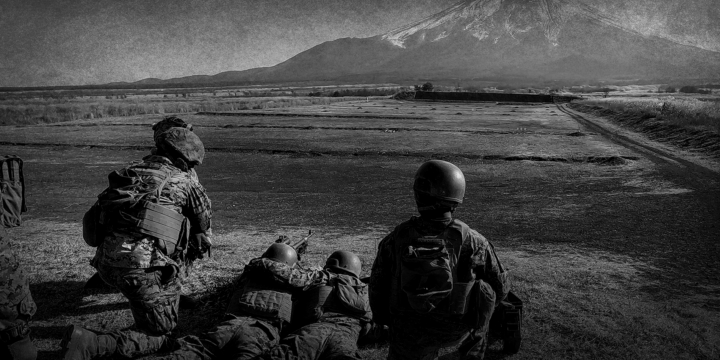
On April 22, the 39th annual Exercise Balikatan, the “shoulder to shoulder” joint military drills between the U.S. military and the Armed Forces of the Philippines (AFP), began. This year’s Balikatan exercises are scheduled to run until May 10, and are planned to be the largest joint exercise between the United States and the Philippines thus far.

This year’s Balikatan is happening amid heightened tensions in the South China Sea, with the latest attack on a Filipino vessel happening less than a month before the joint exercises started. On April 30, as the drills were ongoing, Chinese vessels again fired water cannons at two Philippine patrol vessels, this time near Scarborough Shoal.

Even though Balikatan is almost a 40-year tradition, this year’s exercises are larger and more pronounced than past iterations, likely as a response to China’s aggressive behavior in the South China Sea. This year’s exercises will include a multilateral exercise with the U.S., Philippines, and French navy and will take place outside of the 12 nautical miles that mark the Philippines’ territorial waters but remain inside of the Philippines’ exclusive economic zone (EEZ).

Read at The Diplomat

Author

Bree
Megivern

Former Contributing Fellow

Defense Priorities

More on Asia

op-edChina, Asia

China is the bright spot in Trump’s foreign policy

By Lyle Goldstein

February 12, 2026

In the mediaChina, Asia, Nuclear weapons

A U.S.-Russia nuclear disarmament treaty may benefit U.S.-China relations

Featuring Lyle Goldstein

February 4, 2026

op-edAsia

Why the U.S. and South Korea will not jointly construct nuclear submarines

By Lyle Goldstein

January 27, 2026

China, Asia

Fate of China’s top general more likely to do with power struggle than corruption

By Lyle Goldstein

January 26, 2026

op-edGrand strategy, Alliances, China, Greenland, Russia, Western Hemisphere

Russian and Chinese threats to Greenland and the new Arctic sea routes are low

By Lyle Goldstein

January 23, 2026

In the mediaChina, Asia, Military analysis, Naval power

China’s retro submarine design speeds up challenge to U.S. undersea dominance

Featuring Lyle Goldstein

January 23, 2026

Events on Asia

See All Events
virtualEurope and Eurasia, Asia, Grand strategy

Assessing the 2026 NDS: Alignment with restraint?

February 9, 2026
virtualAsia

What’s Next for U.S. Foreign Policy in 2026? Asia Edition

January 14, 2026
virtualGreat power competition, Balance of power, China, Grand strategy, Middle East

U.S.-China competition and the value of Middle East influence

June 10, 2025

Receive expert foreign policy analysis

Join the hub of realism and restraint

Expert updates and analysis to enhance your understanding of vital U.S. national security issues

Defense Priority Mono Logo

Our mission is to inform citizens, thought leaders, and policymakers of the importance of a strong, dynamic military—used more judiciously to protect America’s narrowly defined national interests—and promote a realistic grand strategy prioritizing restraint, diplomacy, and free trade to ensure U.S. security.

  • Research
  • Experts
  • About
  • For Media
  • Jobs
  • Donate
  • Privacy Policy
  • Terms and Conditions
  • Contact
© 2026 Defense Priorities All Right Reserved