Defense Priorities Defense Priorities
  • Policy Topics
    • US-Israel-Iran
    • Ukraine-Russia
    • Western Hemisphere
    • NATO
    • China
  • Analysis
    • Policy Papers
    • Symposia
    • Q&A
    • Polls
    • Grand Strategy Explained
    • Target Taiwan
  • Programs
    • Grand Strategy Program
    • Military Analysis Program
    • Asia Program
    • Middle East Program
  • Experts
  • Events
  • Media
  • About
    • Mission & Vision
    • People
    • Jobs
    • Contact
  • Donate
Select Page
Home / Europe and Eurasia / Why ‘America first’ means pro-European Union
Europe and Eurasia, Alliances, China, NATO

July 10, 2024

Why ‘America first’ means pro-European Union

By Andrew Day

Donald Trump hasn’t yet commented on the stunning election results in France, but it’s a good bet he was disappointed that the Rassemblement National underperformed, coming in third place behind the far-left and centrist blocs. Trump and Marine Le Pen, the face of the right-populist party, have long supported one another. And Euroskeptic leaders outside France also feel an affinity with the 45th president, whose hostility to the European Union and forceful defense of nationalism they admire.

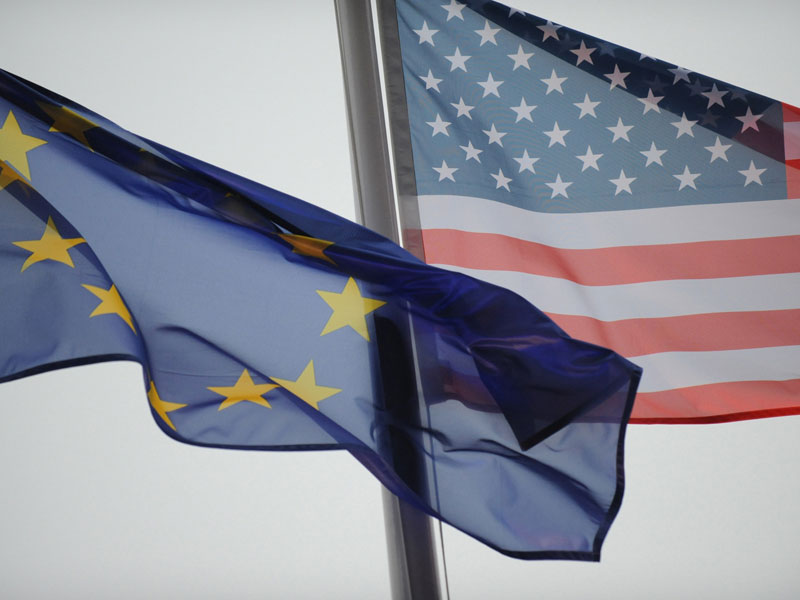
But while Trump and the MAGA Republicans have a natural affinity with European right-populists, the two groups are not, upon closer examination, natural allies. Trump wants the U.S. to start disengaging militarily from Europe, but that’s less likely to happen if the continent is torn apart by petit nationalisme. To convert his America-First rhetoric into reality in a second term, Trump will need Europe to unify as a great power on the world stage—and pro-EU centrists, not anti-EU right-populists, are the ones pushing for unification.

France’s President Emmanuel Macron has led the charge in advancing what he calls “Power Europe,” while European Commission President Ursula von der Leyen and outgoing foreign policy chief Josep Borrell have been pushing to turbocharge Europe’s defense industrial capacity. These leaders, widely despised by right-populists the world over, are responding rationally and strategically to global developments. Putin’s invasion of Ukraine has made the unthinkable—high-intensity war on the continent—a grim reality again. And with the rise of China and the dawn of multipolarity, Washington’s attention is being diverted away from Europe to the Asia-Pacific.

Read at The American Conservative

Author

Andrew
Day

Former Contributing Fellow

Defense Priorities

More on Europe

In the mediaUkraine‑Russia, Europe and Eurasia, Russia, Ukraine

Ukraine landmines Ukraine’s ‘turned tide’ doesn’t comport ‘with basic military reality’

Featuring Daniel Davis

July 29, 2026

In the mediaUkraine‑Russia, Middle East, Russia, Ukraine

Ukraine and Iran Wars Are Merging Into One Big Crisis for Trump in This Sea

Featuring Jennifer Kavanagh

July 28, 2026

Op-edUkraine‑Russia, Europe and Eurasia, Russia, Ukraine

Zelensky’s ‘Freya’ missile defense scheme could backfire. Here’s why.

By Jennifer Kavanagh

July 26, 2026

In the mediaUkraine‑Russia, Europe and Eurasia, Russia, Ukraine

U.S. to make Kyiv’s Magura sea drones for the first time

Featuring Jennifer Kavanagh

July 23, 2026

Op-edEurope and Eurasia

New prime minister assumes the reins as Britain struggles

By Daniel DePetris

July 21, 2026

Op-edNATO, Alliances, Europe and Eurasia

Bring the Troops Home, Mr. President

By Anthony Constantini

July 16, 2026

Events on Europe and Eurasia

See All Events
virtualEurope and Eurasia, Asia, Grand strategy

Assessing the 2026 NDS: Alignment with restraint?

February 9, 2026
virtualNATO, Alliances, Burden sharing, Europe and Eurasia, Grand strategy

Assessing the 2026 NDS: Will it usher in burden shifting?

February 9, 2026
virtualEurope and Eurasia

What’s Next for U.S. Foreign Policy in 2026? Europe Edition

January 14, 2026

Receive expert foreign policy analysis

Join the hub of realism and restraint

Expert updates and analysis to enhance your understanding of vital U.S. national security issues

Defense Priority Mono Logo

Our mission is to inform citizens, thought leaders, and policymakers of the importance of a strong, dynamic military—used more judiciously to protect America’s narrowly defined national interests—and promote a realistic grand strategy prioritizing restraint, diplomacy, and free trade to ensure U.S. security.

  • Experts
  • Papers
  • Symposia
  • Q&A
  • Polls
  • Events
  • Media
  • Terms and Conditions
  • Privacy Policy
  • About
  • Jobs
  • Contact
  • Donate
© 2026 Defense Priorities Foundation. All rights reserved.