Defense Priorities Defense Priorities
  • Policy Topics
    • Iran
    • Western Hemisphere
    • Ukraine-Russia
    • NATO
    • China
    • Syria
  • Analysis
    • Research
    • Q&A
  • Programs
    • Grand Strategy Program
    • Military Analysis Program
    • Asia Program
    • Middle East Program
  • Experts
  • Events
  • Media
  • About
    • Mission & Vision
    • People
    • Jobs
    • Contact
  • Donate
Select Page
Home / NATO / The Trump administration’s first trip to Europe spurs more questions than answers
NATO, Alliances, Europe and Eurasia, Grand strategy, Ukraine, Ukraine‑Russia

February 18, 2025

The Trump administration’s first trip to Europe spurs more questions than answers

By Daniel DePetris

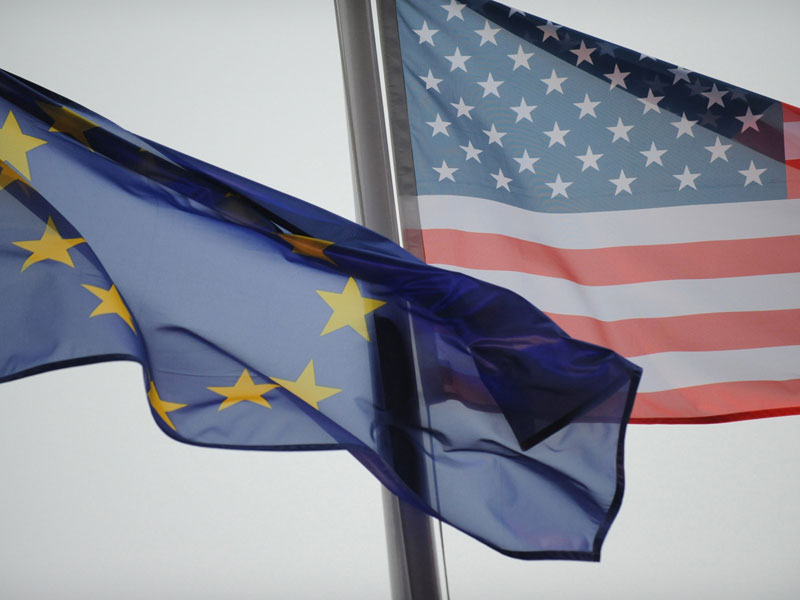
If our European allies were hoping for reassurance from President Donald Trump’s administration during the Munich Security Conference in Germany last weekend, then they left the hotel ballroom sadly disappointed. The multiday event, previously used by senior foreign policy officials as a platform for convincing the rest of the world that the transatlantic alliance is alive and thriving, was a setting for anxiety and trepidation this year.

Europe’s leaders of course understood that the Trump White House wouldn’t be as mealymouthed and committed to the old security paradigm as Joe Biden was when he was president. But even the European delegates in the room came away shocked with what Trump administration officials were saying. Defense Secretary Pete Hegseth, for instance, delivered a bold speech during the conference’s opening day by spouting some hard truths: Ukraine is unlikely to get all of its territory back, the U.S. won’t be sending in its own troops to enforce any ceasefire (assuming one gets hashed out) and European militaries need to get serious about investing in hard power if they want to be something more than irrelevant bystanders.

Vice President JD Vance didn’t even bother talking about Ukraine or Russia, choosing to instead blast European political elites for shutting out far-right parties from acceptable political discourse. The Europeans were aghast; when it was his turn to speak, German Defense Minister Boris Pistorius denounced Vance’s assertion that free speech in Europe was under assault.

Read at The Chicago Tribune

Author

Photo of Daniel DePetris

Daniel
DePetris

Fellow

Defense Priorities

More on Europe

op-edUkraine‑Russia, Europe and Eurasia, Russia, Ukraine

Ukraine and Russia are both suffering as the war enters its fifth year

By Daniel DePetris

February 10, 2026

op-edRussia, Europe and Eurasia, Nuclear weapons

Salvaging a New START

By Jennifer Kavanagh

January 30, 2026

op-edGrand strategy, Greenland, NATO, Western Hemisphere

Donald Trump is endangering U.S. alliances

By Christopher McCallion

January 30, 2026

op-edUkraine‑Russia, Europe and Eurasia, Russia, Ukraine

Conceding Donetsk won’t end the war in Ukraine

By Jennifer Kavanagh

January 28, 2026

In the mediaGrand strategy, Europe and Eurasia, Greenland, Western Hemisphere

Trump’s ‘Donroe Doctrine’ flaunts U.S. expansionism and intervention. But will it pay off long-term?

Featuring Jennifer Kavanagh

January 25, 2026

op-edGrand strategy, Alliances, Europe and Eurasia, Greenland, Western Hemisphere

Trump’s Board of Peace could turn into a rat race

By Daniel DePetris

January 23, 2026

Events on NATO

See All Events
virtualNATO, Alliances, Burden sharing, Europe and Eurasia, Grand strategy

Assessing the 2026 NDS: Will it usher in burden shifting?

February 9, 2026
virtualNATO, Alliances, Europe and Eurasia, Russia, Ukraine, Ukraine‑Russia

A ‘bridge’ to NATO or false hope for Ukraine?

July 12, 2024
virtualNATO, Alliances, Deterrence, Europe and Eurasia, Nuclear weapons

New York for Paris? NATO and extended deterrence in a new nuclear age

July 2, 2024

Receive expert foreign policy analysis

Join the hub of realism and restraint

Expert updates and analysis to enhance your understanding of vital U.S. national security issues

Defense Priority Mono Logo

Our mission is to inform citizens, thought leaders, and policymakers of the importance of a strong, dynamic military—used more judiciously to protect America’s narrowly defined national interests—and promote a realistic grand strategy prioritizing restraint, diplomacy, and free trade to ensure U.S. security.

  • Research
  • Experts
  • About
  • For Media
  • Jobs
  • Donate
  • Privacy Policy
  • Terms and Conditions
  • Contact
© 2026 Defense Priorities All Right Reserved