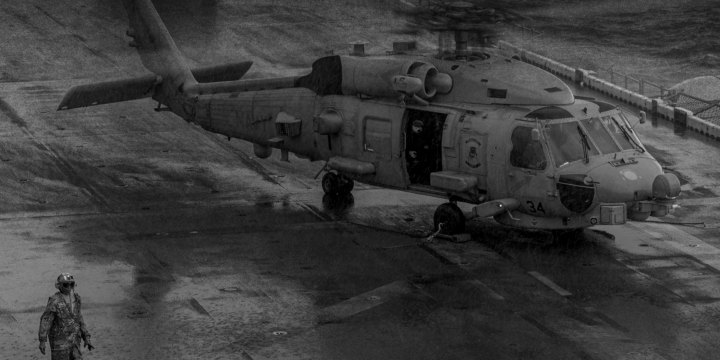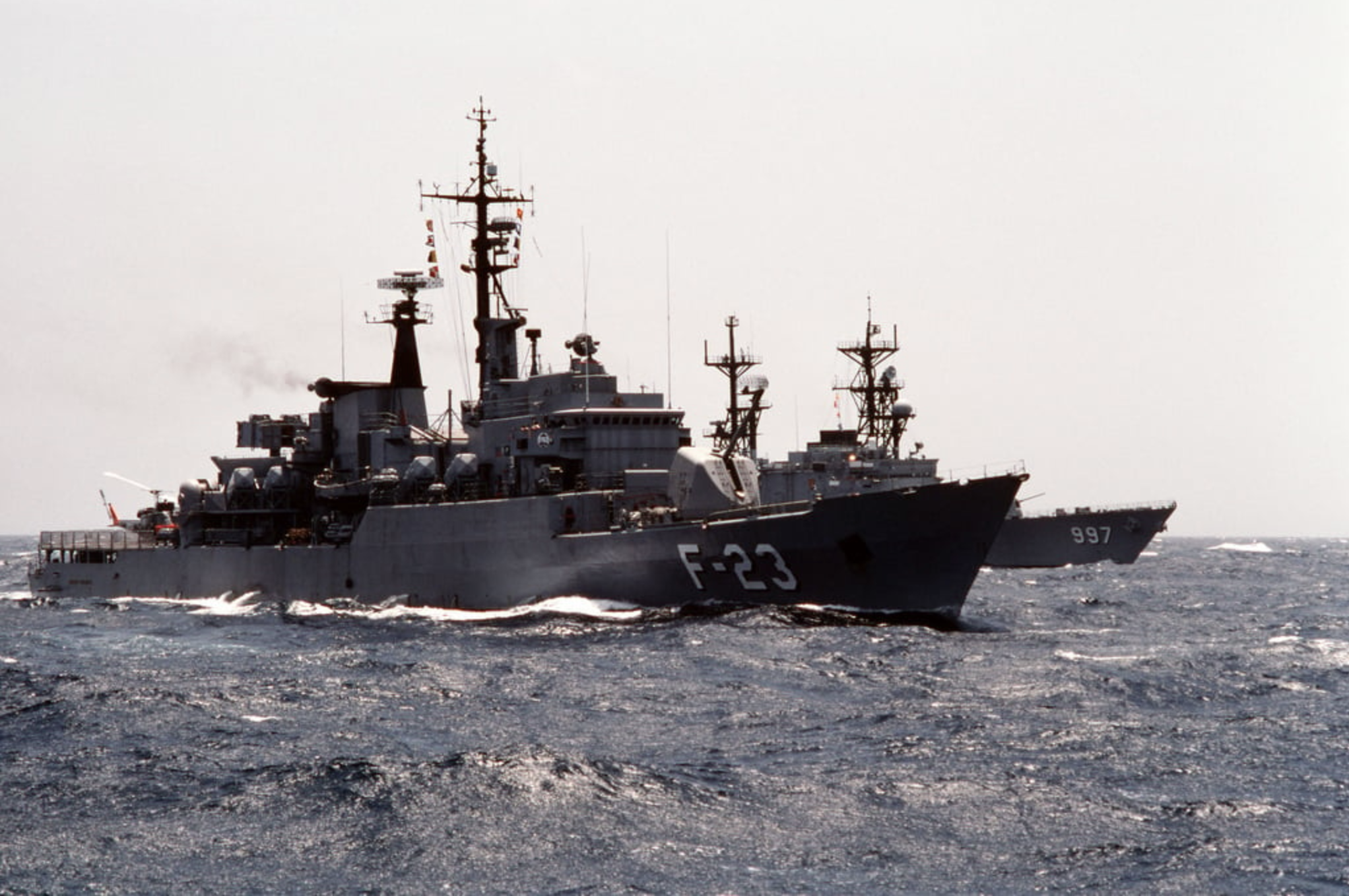
What began in early September as a series of American airstrikes on boats in the Caribbean—which U.S. officials alleged were trafficking drugs from Venezuela—now seems to have morphed into a campaign to overthrow Venezuelan dictator Nicolás Maduro. Over the course of two months, President Donald Trump’s administration has deployed 10,000 U.S. troops to the region, amassed at least eight U.S. Navy surface vessels and a submarine around South America’s northern coast, directed B-52 and B-1 bombers to fly near the Venezuelan coastline, and ordered the Gerald R. Ford Carrier Strike Group—which the U.S. Navy calls the “most capable, adaptable, and lethal combat platform in the world”—to U.S. Southern Command’s area of responsibility.
These moves reflect a recent, broad shift in the administration’s policy toward Venezuela. As reported by several major news outlets, for months after Trump’s January inauguration, internal debate pitted long-time advocates of regime change—led by Secretary of State Marco Rubio—against officials who favored a negotiated settlement with Caracas, including the president’s special envoy Richard Grenell. During the first half of 2025, the negotiators held the upper hand: Grenell met with Maduro and struck deals to open Venezuela’s expansive oil and mineral sectors to U.S. firms in exchange for economic reforms and the release of political prisoners. But by mid-July, Rubio reclaimed the initiative by reframing the stakes. Ousting Maduro, he argued, was no longer just about promoting democracy—it was a matter of homeland security. He recast the Venezuelan leader as a narcoterrorist kingpin fueling the United States’ drug crisis and illegal immigration, tying him to the Tren de Aragua gang and claiming that Venezuela was now “governed by a narco-trafficking organization that has empowered itself as a nation state.”
That narrative appears to have persuaded Trump. In July, the president ordered the Pentagon to use military force against certain drug cartels in the region, including Tren de Aragua and Cartel de los Soles, the latter of which the administration claimed was headed by Maduro and his top lieutenants. Two weeks later, the administration doubled the bounty on Maduro’s head from $25 million to $50 million. On October 15, Trump acknowledged to reporters that he had authorized the CIA to conduct covert operations in Venezuela. When asked about his intended next steps, Trump said, “We are certainly looking at land now, because we’ve got the sea very well under control.” According to The New York Times, “American officials have been clear, privately, that the end goal is to drive Mr. Maduro from power.”
But whether covert or overt, any attempt at regime change in Venezuela will face formidable challenges. Covert methods fail far more often than they succeed, and it is unlikely that threats of force or airstrikes will successfully pressure Maduro to flee. And even if Washington were to succeed in ousting Maduro, the longer-term game of regime change would still be risky. Historically, the aftermaths of such operations have been chaotic and violent.
Authors