Defense Priorities Defense Priorities
  • Policy Topics
    • US-Israel-Iran
    • Ukraine-Russia
    • Western Hemisphere
    • NATO
    • China
    • Syria
  • Analysis
    • Research
    • Q&A
  • Programs
    • Grand Strategy Program
    • Military Analysis Program
    • Asia Program
    • Middle East Program
  • Experts
  • Events
  • Media
  • About
    • Mission & Vision
    • People
    • Jobs
    • Contact
  • Donate
Select Page
Home / Alliances / Swedish NATO membership should entail deeper alliance reforms
Alliances, Europe and Eurasia, NATO

July 10, 2023

Swedish NATO membership should entail deeper alliance reforms

By Zachary Weiss

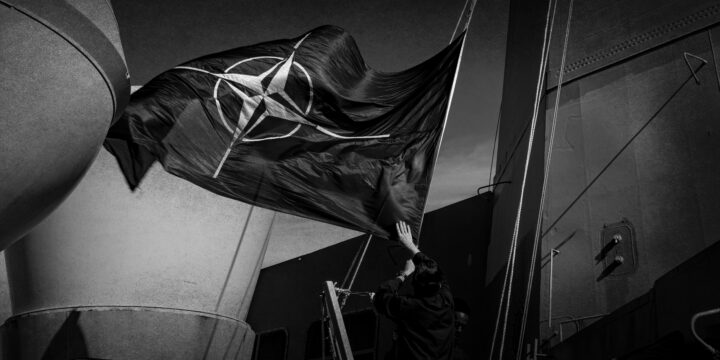
Despite Sweden’s need for Turkish support in its NATO membership bid, Sweden permitted a protester to burn a Quran outside of a Mosque in Stockholm. Though Turkey may further delay Sweden’s bid, it seems Stockholm is destined to join the alliance, even if its success does not come at the upcoming Vilnius Summit.

Even without membership, Sweden is vying for NATO’s protection. Swedish Prime Minister Ulf Kristersson recently announced that his country will allow NATO troops to operate within its borders. Despite Sweden’s robust defensive agreements, gaining an elevated alliance with the United States seems to be the nation’s goal. But instead of turning Sweden into yet another U.S. security burden, a growing military alliance should prompt a rethink of what the U.S. commitment looks like.

Membership in NATO would grant Sweden an Article V defensive pact with the United States—making the partnership as strong as they get. But the United States should carefully consider whether a conventional military obligation to Sweden is in its best interest. A full commitment to Swedish security should not absolve Sweden of its responsibility to protect itself, like the rest of Western Europe.

Read at RealClearWorld

Author

Zachary
Weiss

Contributing Fellow

Defense Priorities

More on Europe

Op-edUS‑Israel‑Iran, Europe and Eurasia, Iran, Middle East

Friedrich Merz’s Iran intervention won’t discourage Trump

By Daniel DePetris

April 28, 2026

Op-edEurope and Eurasia, Iran, Middle East, NATO, US‑Israel‑Iran

Will King Charles’ visit help soften the animus between the U.S. and the UK?

By Daniel DePetris

April 28, 2026

Op-edEurope and Eurasia, NATO

The U.S. Lost Hungary But The Interference Continues

By Thomas P. Cavanna

April 25, 2026

Op-edNATO, Alliances, Europe and Eurasia

The contempt Trump feels for his NATO allies is mutual

By Daniel DePetris

April 24, 2026

In the mediaNATO, Alliances

Foreign Contractors Stand To Gain As NATO Countries Spend Big On Defense

Featuring Jennifer Kavanagh

April 16, 2026

In the mediaUS‑Israel‑Iran, Alliances, Iran, Middle East, NATO

Our Adversaries—And Allies—Are Learning These Lessons From U.S.-Iran Negotiations: Analyst

Featuring Daniel DePetris

April 14, 2026

Events on Alliances

See All Events
virtualNATO, Alliances, Burden sharing, Europe and Eurasia, Grand strategy

Assessing the 2026 NDS: Will it usher in burden shifting?

February 9, 2026
virtualChina, Alliances, Balance of power, Diplomacy, Grand strategy, Russia

China-Russia: Cooperation or a no-limits alliance?

April 3, 2025
virtualMiddle East, Alliances, Diplomacy, Israel, Military analysis

Assessing a formal U.S.-Saudi alliance

October 17, 2024

Receive expert foreign policy analysis

Join the hub of realism and restraint

Expert updates and analysis to enhance your understanding of vital U.S. national security issues

Defense Priority Mono Logo

Our mission is to inform citizens, thought leaders, and policymakers of the importance of a strong, dynamic military—used more judiciously to protect America’s narrowly defined national interests—and promote a realistic grand strategy prioritizing restraint, diplomacy, and free trade to ensure U.S. security.

  • Research
  • Experts
  • About
  • For Media
  • Jobs
  • Donate
  • Privacy Policy
  • Terms and Conditions
  • Contact
© 2026 Defense Priorities Foundation. All rights reserved.