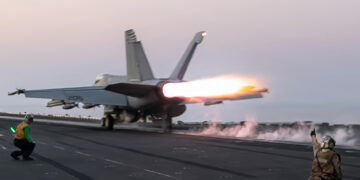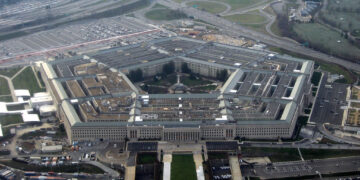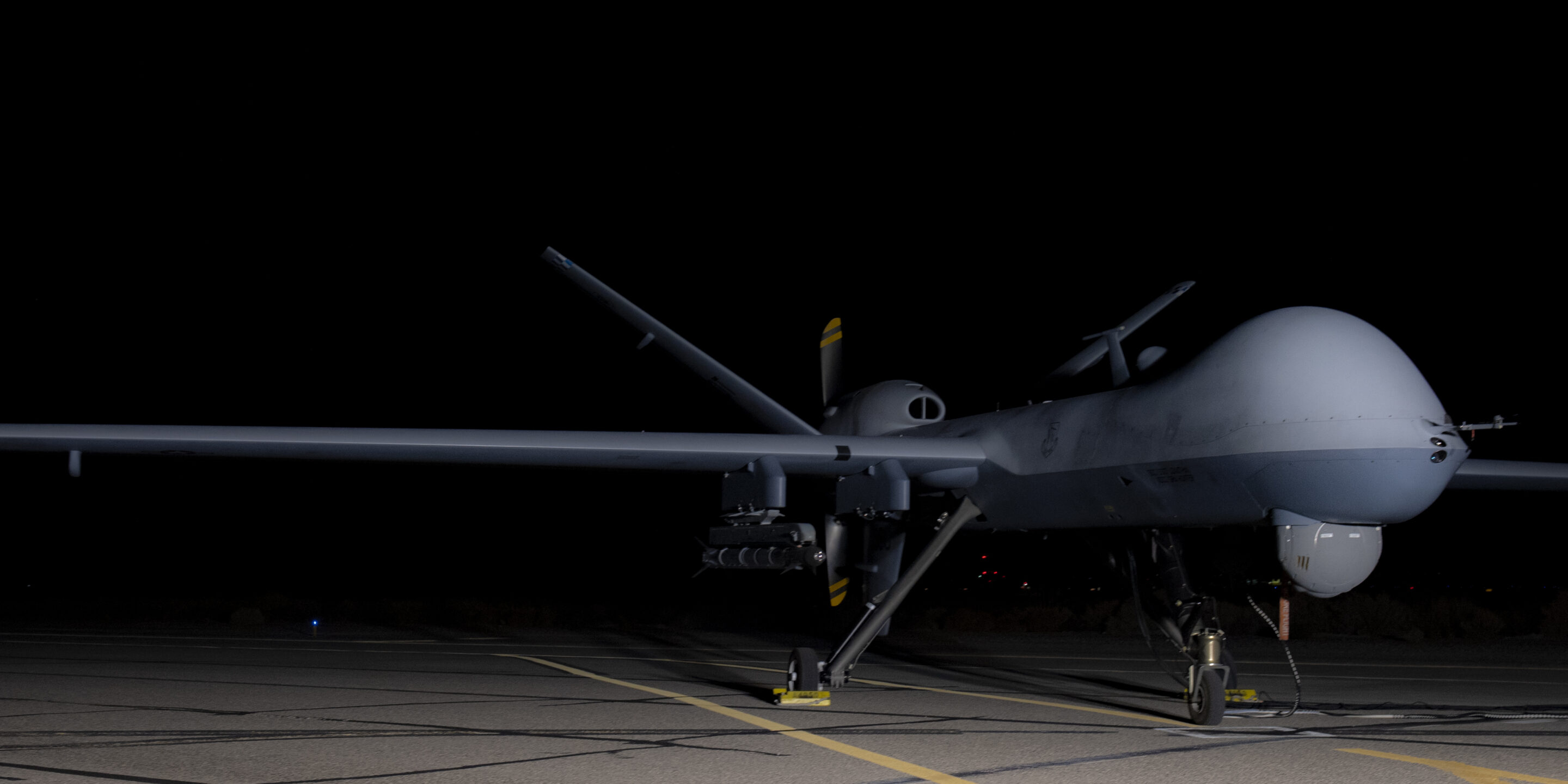
American military engagement in Iran and Venezuela has been an unprecedented and overt demonstration of U.S. tactical and operational capacities, showcasing the ability of the U.S. military to deploy force globally and strike with precision. Despite these displays of unparalleled tactical capabilities, these engagements fail to demonstrate any clear strategic doctrine, a fundamental component of any long-term security plan. Journalists, commentors and politicians alike have called out the Trump administration for its failure to articulate the reason, goals and desired end state for the war in Iran. This exposes a dangerous paradox: The United States possesses superior power in its military technology and capabilities, yet it struggles to explain what purpose that power will serve.
This blindness toward strategic thinking extends beyond poor planning or a polarizing moment in American politics. Since the end of the Cold War, American military and political leadership have remain bound to the illusion that technological superiority preempts the need for strategic planning. Rapid advancements in precision abilities, information and network technologies, and the speed of military response during the turn of the century led many policymakers and scholars to proclaim a “revolution in military affairs,” or RMA.
The emergence of the RMA concept in military affairs is often attributed to the overwhelming operational success in the 1991 Persian Gulf war, where the United States showcased its ability to implement new technologies and strike on tactical, operational and strategic levels of warfare. The success of the U.S. and its allies in pushing back Iraq fed the illusion of military and political leadership that technological advancements enable a “no risk” war.
The core rationale followed that these technologies would fundamentally change the nature of war, eliminating traditional front lines, reducing casualties, and enabling operational wins through precision and information dominance. The United States has continued to embrace this idea of military primacy built around precision, information supremacy, and networked warfare.
Author