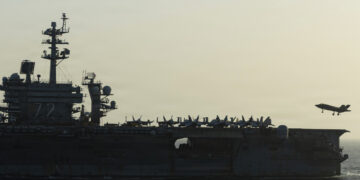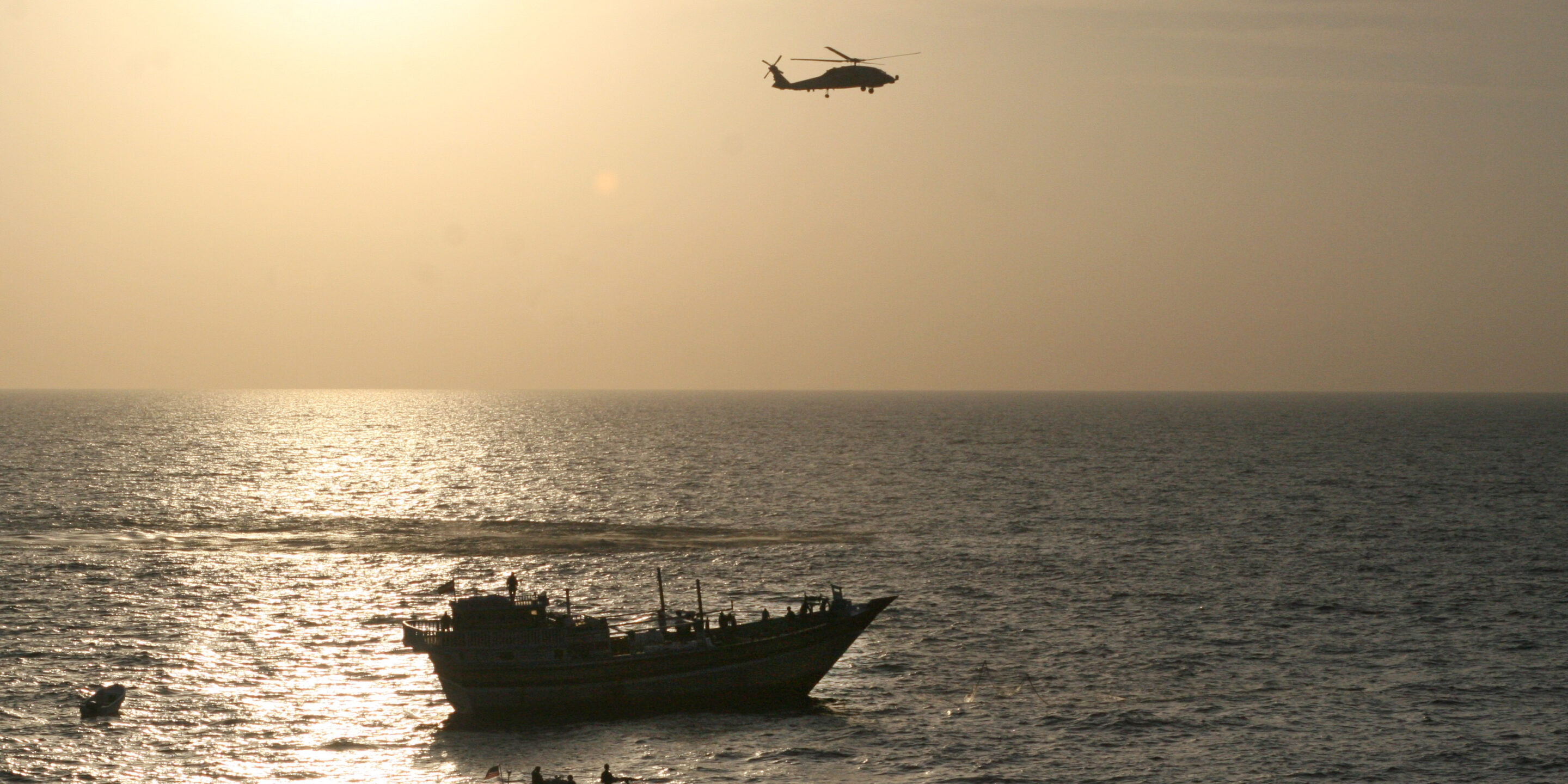
It shouldn’t have been surprising when President Trump announced on April 12 that the United States would begin a blockade of Iranian ports to force Tehran to accept a peace deal.
Mr. Trump prides himself on being unpredictable. But he is a creature of habit, and blockades have quickly emerged as one of his preferred military tactics since his return to the White House. He has already used them against Venezuela and Cuba. Now his administration has expanded the Iran embargo, and started to seize Iran-linked ships on the high seas.
Iran’s grip on the Strait of Hormuz was not the reason the United States started this war. Before the conflict, traffic passed freely through the narrow waterway. But Tehran’s effective closure of the strait since the United States and Israel attacked two months ago has emerged as the war’s most bedeviling problem and one Mr. Trump is desperate to fix. He hopes that by instituting a blockade of his own, he can choke Iran’s economy and force the country’s leaders to reopen the strait and accept Washington’s terms of surrender.
This is unlikely to work for the same reasons the United States finds itself facing strategic defeat by a weaker adversary: a mismatch of stakes and time horizons. While Iran has gained the upper hand in this conflict by extending and surviving what it considers an existential war, Mr. Trump wants a fast and decisive victory, something a blockade cannot deliver. A blockade may impose costs on Iran’s economy and population, but it will not deal the quick knockout blow the Trump administration seeks.
Author