Listen to the Trump administration’s assessments of the war in Iran, and you could be forgiven for believing that Washington’s biggest adversary in the Middle East was at death’s door. When he’s not on Truth Social lobbing rhetorical grenades at what’s left of the Iranian government, President Donald Trump is giving impromptu remarks to the press about the dire state of the Iranian military and how the air campaign will be wrapped up soon. Speaking to the nation on April 1 in a rare prime-time televised address, Trump dressed up the conflict as an unquestionable success.
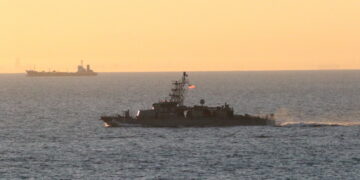
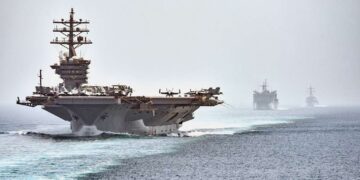
“Tonight, Iran’s navy is gone,” Trump bellowed.
Their air force is in ruins. Their leaders, most of them, terrorist regime they led, are now dead. Their command and control of the Islamic Revolutionary Guard Corps is being decimated as we speak. Their ability to launch missiles and drones is dramatically curtailed, and their weapons, factories and rocket launchers are being blown to pieces. Very few of them left.
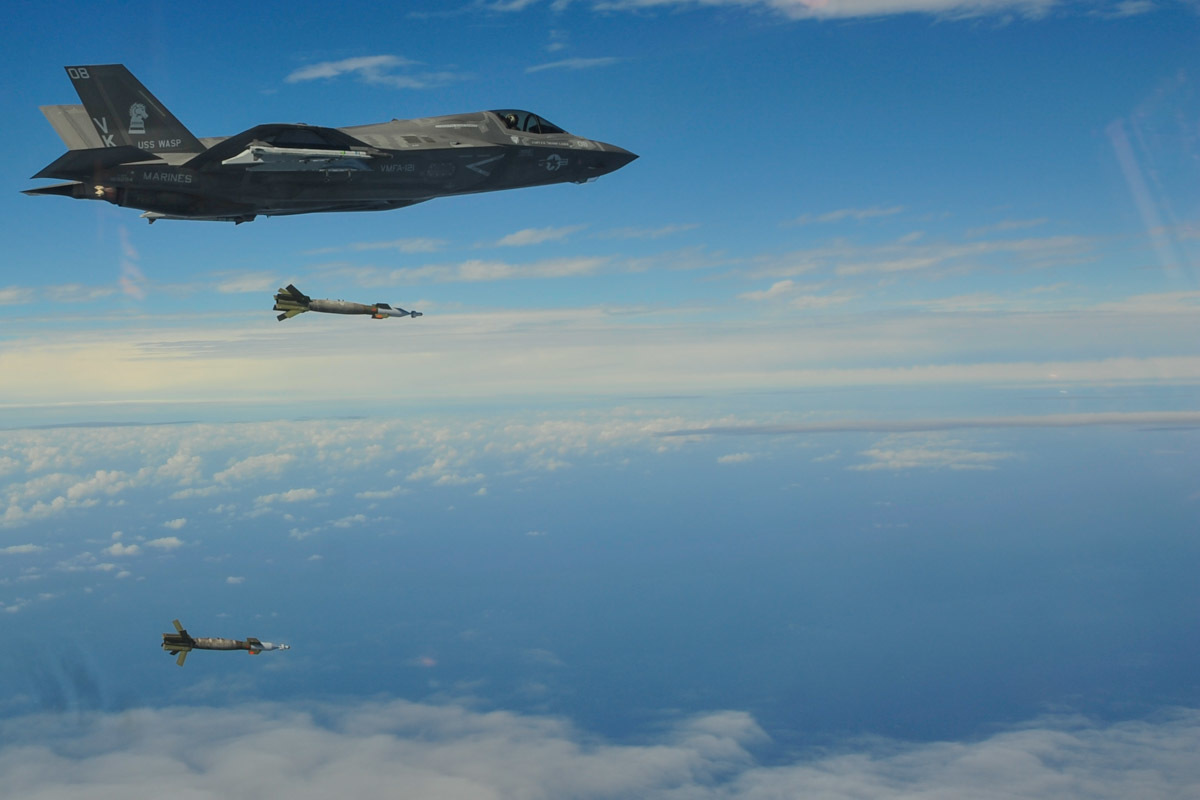
To be fair, the president known for embellishment and braggadocio wasn’t necessarily lying. As of April 3, the United States had conducted more than 12,000 strikes on an assortment of Iranian military and government targets, from navy vessels and command-and-control headquarters to weapons manufacturing facilities and ballistic missile launchers. So many Iranian political and security officials have been killed—Supreme Leader Ayatollah Ali Khamenei; Islamic Revolutionary Guard Corps (IRGC) Commander Mohammad Pakpour; Defense Minister Aziz Nasirzadeh; and the senior security official Ali Larijani, to name just a few—that it’s difficult to keep track of the ever-evolving roster on a daily basis. The Pentagon reports that more than two-thirds of Iran’s ballistic missile launchers are destroyed. Assuming those numbers are correct, it would go a long way to explaining the 90 percent drop-off in Iranian ballistic missile and drone attacks since the war’s early days.
The other explanation is more worrisome: Iran is conserving its firepower for a long military engagement and picking its spots for maximum impact. Indeed, the Iranians don’t need to fire hundreds of missiles or drones every day to create significant damage. Far from it: Keeping up a steady pace of a few dozen a day is more than enough to roil the energy markets. The clearest example of this was the mid-March strike against Qatar’s largest liquified natural gas plant, which took 17 percent of the country’s production off-line and caused $20 billion worth of damage that will take years to repair. As beat up as the Iranian security establishment is, its war strategy—maximize the economic and political pain around the Persian Gulf to the point where Trump decides cutting the conflict short is the best option possible—is logically sound and is being implemented to a tee. Trump is betting on munitions; Iran is betting on time, psychology, and economics.
Read at The American Conservative
Author

More on Middle East