After 21 hours of negotiations that went deep into the Pakistani night, on Sunday morning JD Vance stepped up to the podium and essentially called it quits. Despite substantive talks, the U.S. Vice President said, the Iranians were not willing to accept Washington’s terms.
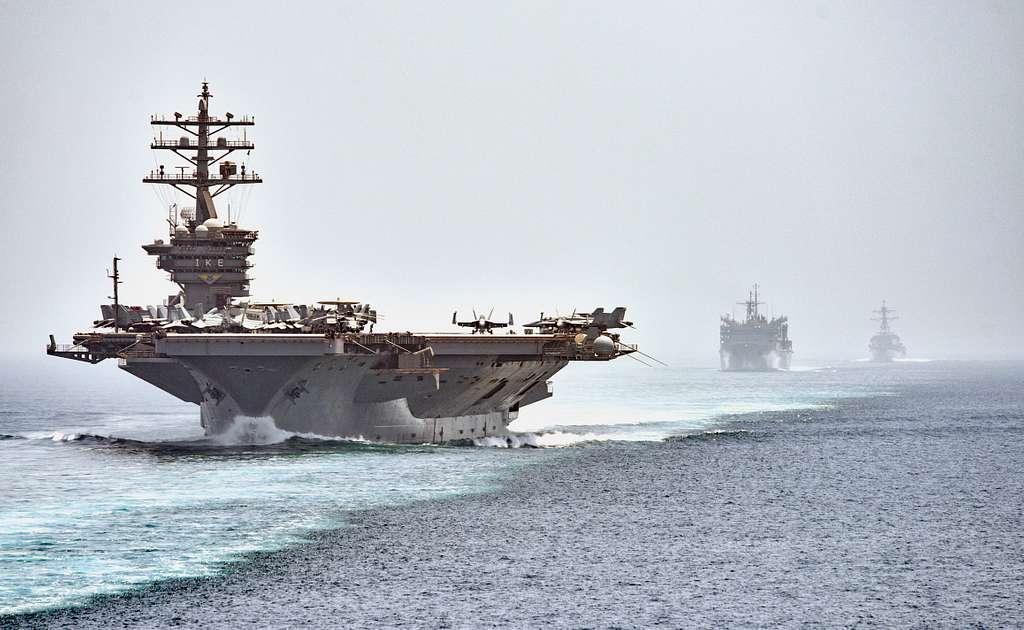
Donald Trump wasted little time before doubling down on coercion. “Effective immediately, the United States Navy, the Finest in the World, will begin the process of BLOCKADING any and all Ships trying to enter, or leave, the Strait of Hormuz,” the President declared earlier today.
On the one hand, the fact that U.S and Iranian negotiators were engaging in dialogue virtually non-stop for close to a day, sometimes directly, was a sign of seriousness on the part of both sides. Unlike previous rounds of talks, the Trump administration traveled to Pakistan with nearly 300 expert-level officials in tow, which suggested that Washington was far more prepared to get into the nitty-gritty details of what a deal would look like and how it would be enforced. In this case, Trump seemed like he wanted to clinch an agreement to end a conflict that has caused jitters within the Republican Party as midterm elections approach.
Yet sometimes even the best preparation and good intentions don’t result in success. Last night’s negotiations were tripped up by the very same issue—how to ensure Iran can never acquire the means to build a nuclear weapon—that ruined previous attempts at diplomacy last year and this February.
Author

More on Middle East