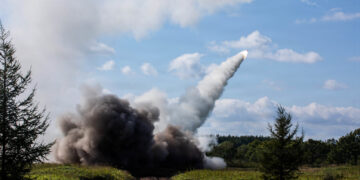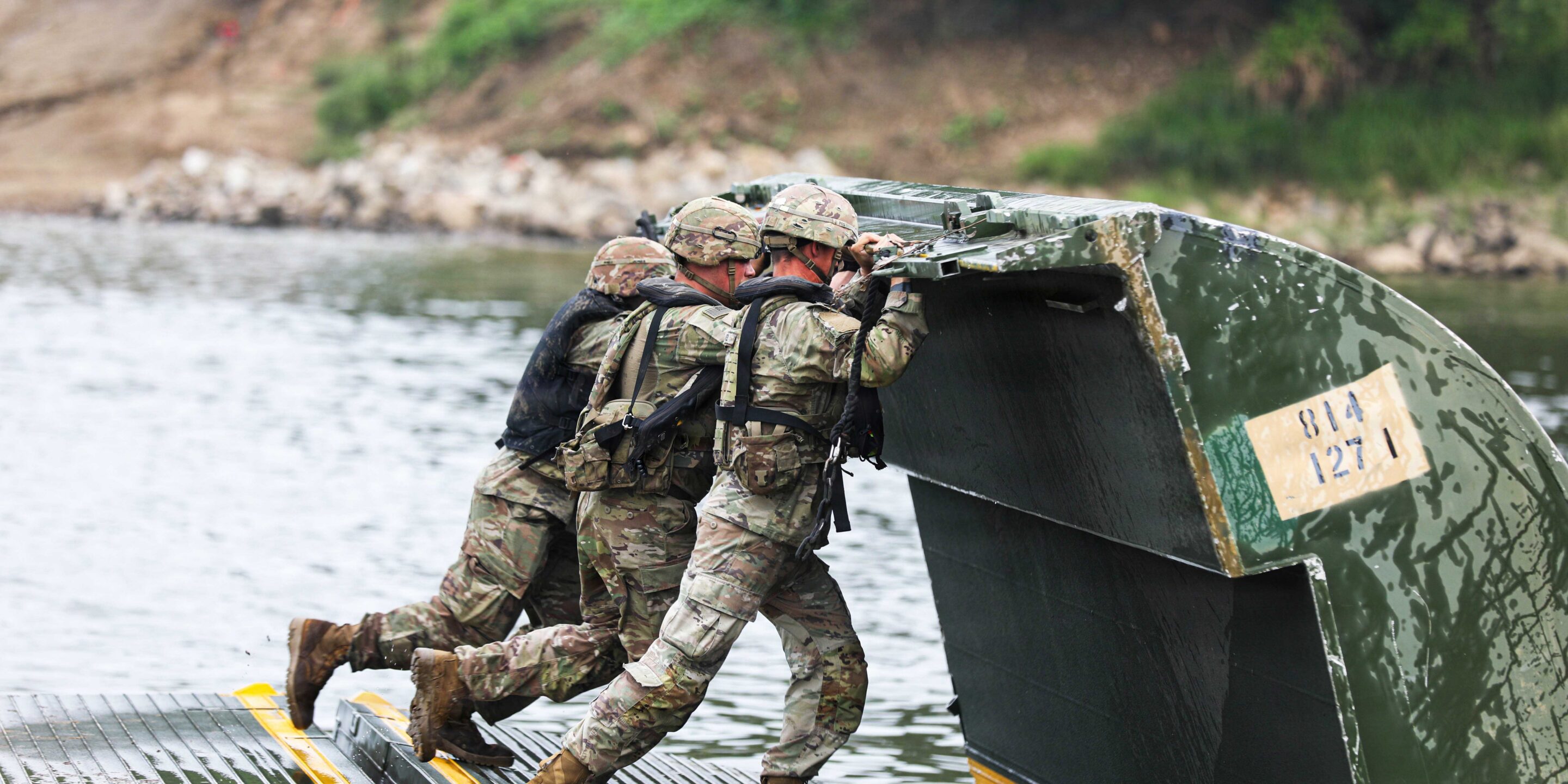
Late last month, Japan’s defense ministry made an unsettling announcement. A U.S. ground-based missile system, known as the Typhon and capable of firing Tomahawk missiles, would not return to the United States after being deployed to Japan for military exercises. Instead, it would be stored at Kadena Air Base in Okinawa, at least temporarily.
Tokyo tried to downplay the move, noting that the decision was intended to support training, not warfighting, and that no U.S. Army units would deploy with the missile system. But the reassuring language is unlikely to forestall the negative consequences of the posture change: an increase in military tensions along the first island chain in East Asia.
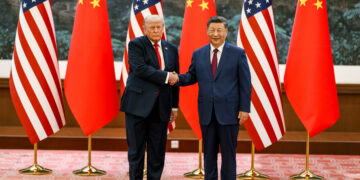
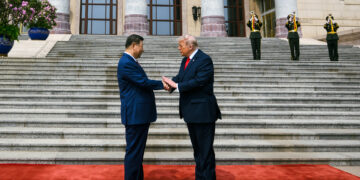
The timing of the decision, following closely on the heels of the visit of Chinese President Xi Jinping to Washington, may seem out of sync with Donald Trump’s “dovish” outreach to Beijing. But the contradiction is a feature, not a bug, of the Trump administration’s Asia policy. By calling for a “decent peace” but building a “denial defense along the first island chain,” a region that stretches across Japan, Taiwan, and the Philippines, Trump seems destined to undermine his own efforts to stabilize the U.S.-China relationship and even to increase the medium-term risk of conflict between the two global powers.
Read at Responsible Statecraft
Author

More on Asia