Lyle Goldstein, director of the Asia program at Defense Priorities, said China was “definitely still in the experimental stage of wielding aircraft carriers” and that he was “not surprised that successive designs are larger and more capable”.
He estimated that a ship of that size could operate perhaps 75 to 90 aircraft, compared with 50 to 60 on the Fujian, and could carry “more robust self-defence systems”.
Janes reported that the carrier’s size reinforced earlier indications that it could be China’s first nuclear-powered surface warship. Goldstein said that assessment “may well be correct”, saying that deploying such technology would be a major leap for China “in terms of power, speed and sustainment”.
Yet even a nuclear-powered carrier would still depend on regular replenishment to keep its aircraft and destroyer escorts operational, Goldstein said.
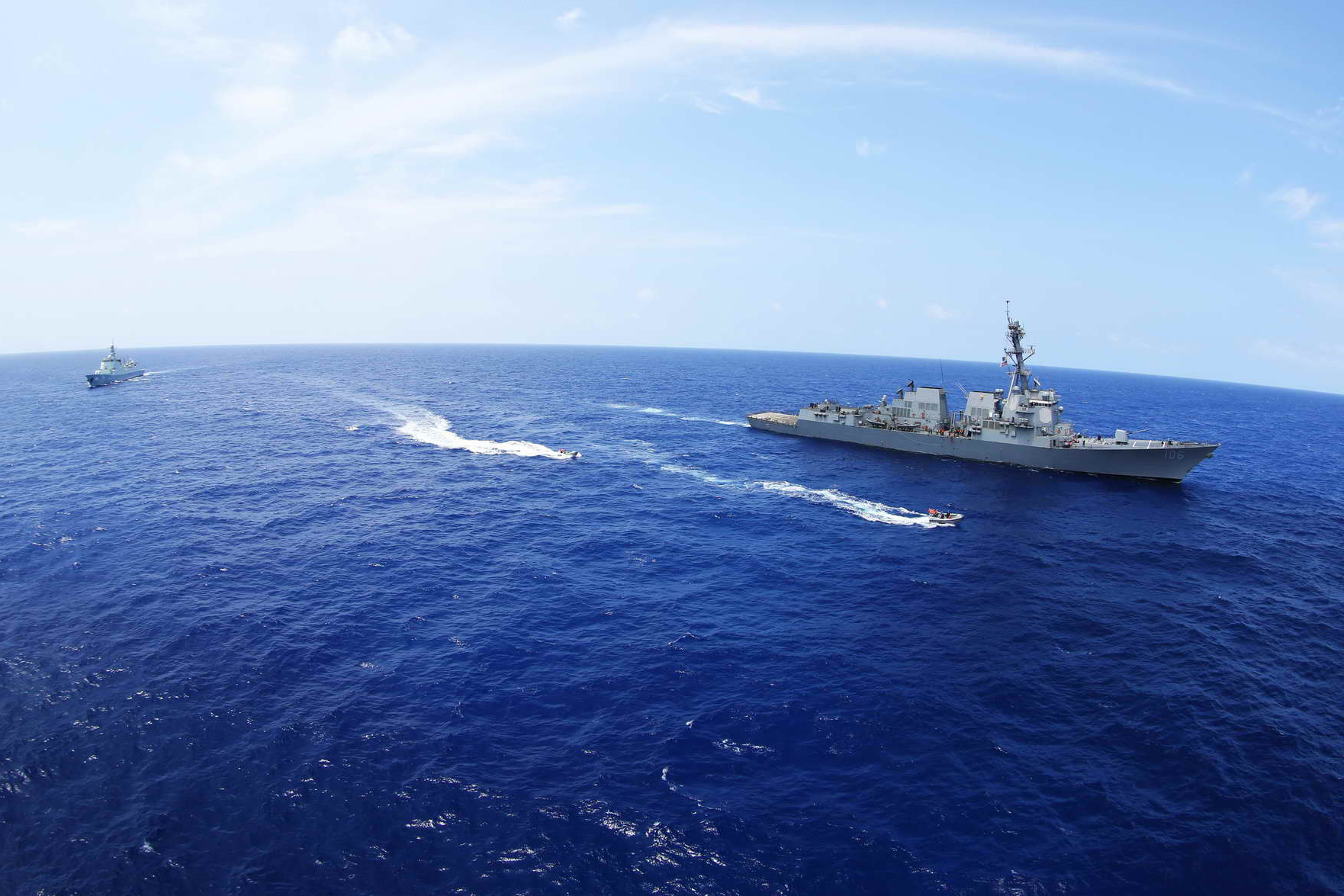
Goldstein said China appeared “quite focused on a steady expansion of its fleet of replenishment vessels”, a trend visible over many years, and that the navy practised replenishment at sea often, partly because it lacked an extensive network of overseas bases.
However, Goldstein cautioned that “the overall trend for some years in naval strategy has been towards smaller, cheaper, more distributed unmanned assets”, adding that by “doubling down on ‘big decks’, China and the US both seem to be bucking this worldwide trend”.
Read at South China Morning Post
Featuring

More on Asia


Events on China