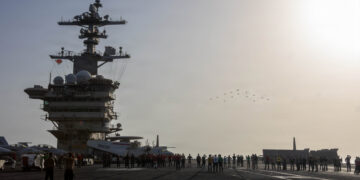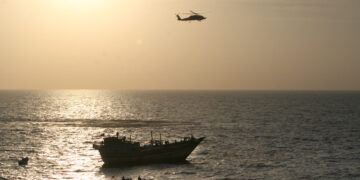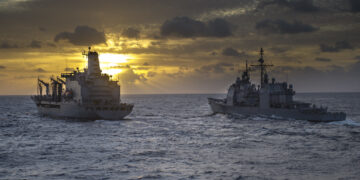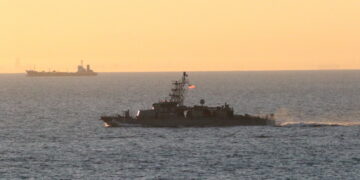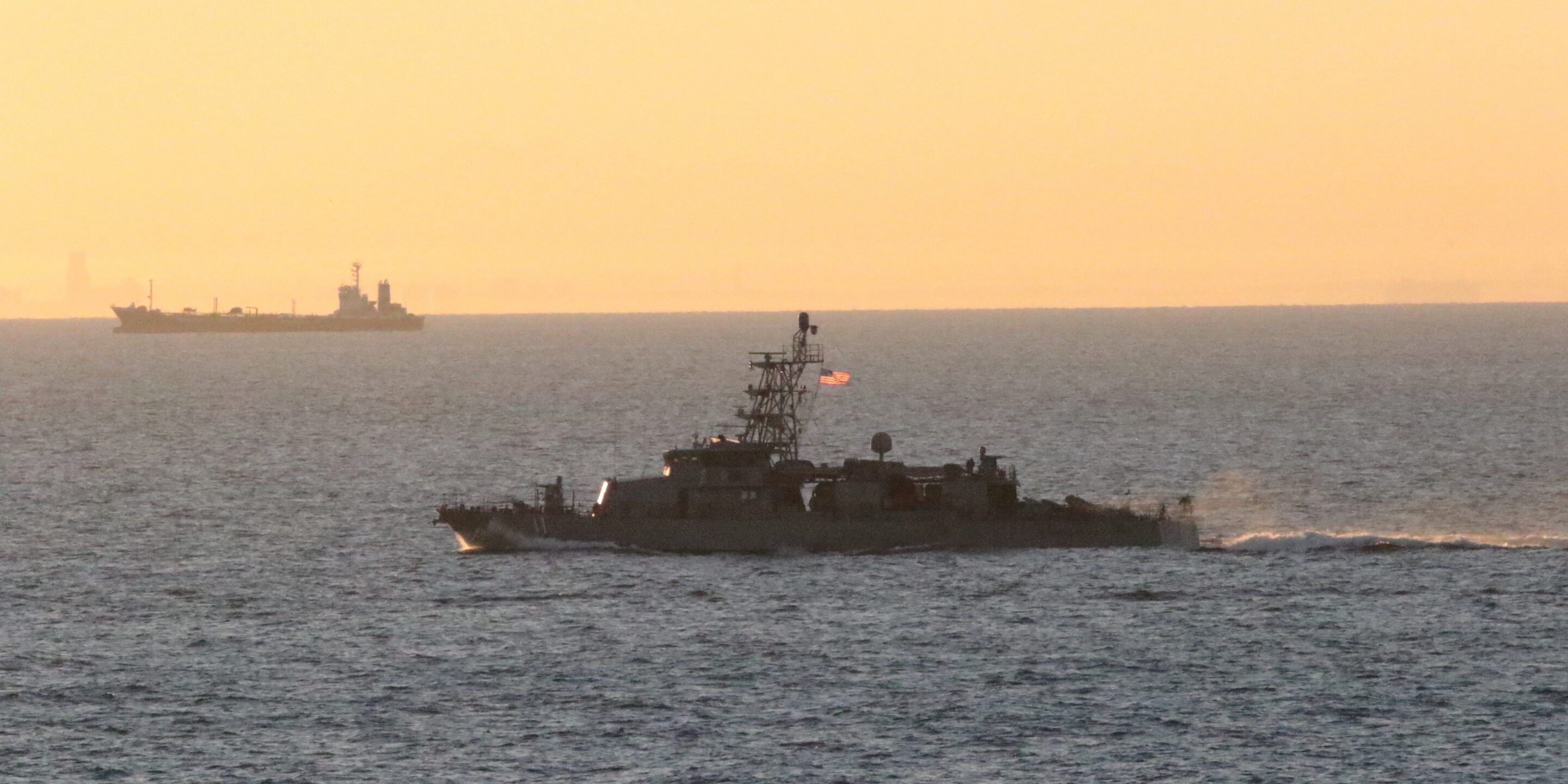
The American-Israeli war on Iran has spiked oil prices, as tankers hesitate to transit the Strait of Hormuz, a narrow waterway connecting the Persian Gulf to the Indian Ocean through which some 20 percent of global oil trade passes. To keep oil flowing from the region, President Trump has promised U.S. naval protection to ships traveling through the strait, if necessary.
This is not a new idea, but a continuation of President Jimmy Carter’s 1980 pledge to defend the Persian Gulf after the 1979 Islamic Revolution, which, compounded by the Soviet invasion of Afghanistan, heightened threats to the global oil supply. Mr. Carter’s commitment led to the creation of CENTCOM, the U.S. Central Command, and became the driving rationale for a permanent U.S. footprint in the region.
But long-term U.S. military basing has failed to stop Iran from attacking Gulf shipping, even as it has discouraged investment in a more robust global oil transportation network, setting the stage for today’s oil price spike worries. As the Iran crisis plays out, the United States has better options than doubling down on Mr. Carter’s approach, but they require us to understand and correct America’s unique vulnerability: The country is more exposed to oil price shocks than any other major power, including China.
Many Americans might be surprised to hear this. The United States is the world’s largest oil producer and a net petroleum exporter. But oil trades in a global market at a single market price. Experts compare the oil market to a giant bathtub with many spigots and drains. The total level of oil in the bathtub, plus market speculation about whether that level will go up or down, determines the oil price—even for countries such as the United States, which pours a lot of crude into the tub.
Author

More on Middle East