Defense Priorities Defense Priorities
  • Policy Topics
    • US-Israel-Iran
    • Ukraine-Russia
    • Western Hemisphere
    • NATO
    • China
  • Analysis
    • Policy Papers
    • Symposia
    • Q&A
    • Polls
    • Grand Strategy Explained
    • Target Taiwan
  • Programs
    • Grand Strategy Program
    • Military Analysis Program
    • Asia Program
    • Middle East Program
  • Experts
  • Events
  • Media
  • About
    • Mission & Vision
    • People
    • Jobs
    • Contact
  • Donate
Select Page
Home / US-Israel-Iran / The Iran War is the Culmination of Washington’s Foreign Policy Pathologies
US‑Israel‑Iran, Iran, Middle East

April 1, 2026

The Iran War is the Culmination of Washington’s Foreign Policy Pathologies

By Christopher McCallion

The Iran war and other recent misadventures by the Trump administration can seem like a radical departure from the U.S. foreign policy consensus. To be sure, the Trump administration has spurned the most sanctimonious aspects of U.S. foreign policy, which arguably reached their crescendo under the Biden administration. The gleeful gangsterism in Latin America and the Caribbean, the territorial threats against Canada and Denmark, the planned luxury condos on the mass graves of Gaza—all are indeed shocks to both the mind and the conscience.

Yet the Iran war is actually the culmination of Washington’s long-standing foreign policy pathologies, not a break with them.

The first example is Washington’s seemingly endless appetite for military interventions without any clear definition of success when the stakes for the U.S. are low to nil. This virtually ensures the war will be, at best, not worth the cost, and at worst, an open-ended disaster. The United States cannot mobilize appropriate means in the absence of achievable ends, nor can it be willing to do so if its core interests are not meaningfully involved. This has been a common thread throughout U.S. foreign policy failures, from Vietnam to Iraq to Libya.

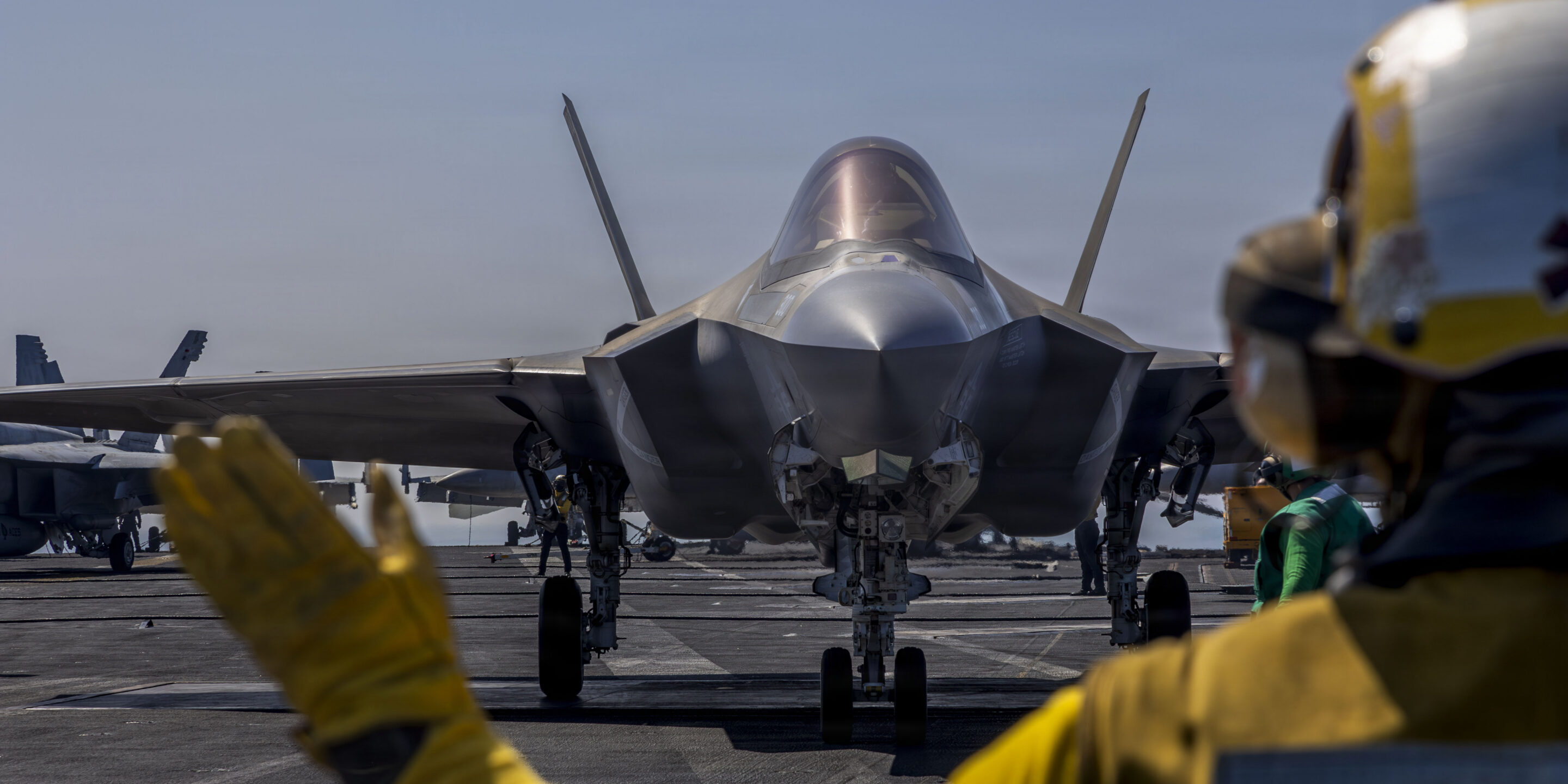
The same is true now. The goals of the Iran operation have been defined schizophrenically: regime change (or not), destruction of Iran’s nuclear program (supposedly obliterated  last summer), degradation of Iran’s navy and missiles, elimination of Iran’s proxies, etc. There does not appear to be any obvious alternative to the regime within Iran, nor can its capabilities be permanently suppressed. The means have so far been limited to air and naval power, though the administration is reportedly considering sending ground troops. When the ends are open-ended, the war is likely to be as well.

Read at Real Clear World

Author

Photo of Chris McCallion

Christopher
McCallion

Fellow

Defense Priorities

More on Middle East

Op-edMiddle East

It’s Time to Pull U.S. Troops from the Middle East

By Alexander Langlois

August 19, 2026

In the mediaUS‑Israel‑Iran, Basing and force posture, Iran, Middle East, Military analysis

Pentagon weighing smaller U.S. military presence in Gulf once Iran war ends

Featuring Jennifer Kavanagh and Dan Caldwell

August 18, 2026

Op-edIsrael, Middle East

Israel can no longer deny the shift in U.S. politics

By Daniel DePetris

August 18, 2026

In the mediaUS‑Israel‑Iran, Iran, Middle East

Rosemary Kelanic explains how shippers decide whether to transit the Strait of Hormuz: CNN

Featuring Rosemary Kelanic

August 18, 2026

In the mediaUS‑Israel‑Iran, Iran, Israel‑Iran, Middle East

Can Washington’s economic sanctions squeeze Iran into a deal?

Featuring Jennifer Kavanagh

August 17, 2026

Op-ed

Five Years Later, Biden Was Proven Right in Withdrawing From Afghanistan

By Gil Barndollar

August 17, 2026

Receive expert foreign policy analysis

Join the hub of realism and restraint

Expert updates and analysis to enhance your understanding of vital U.S. national security issues

Defense Priority Mono Logo

Our mission is to inform citizens, thought leaders, and policymakers of the importance of a strong, dynamic military—used more judiciously to protect America’s narrowly defined national interests—and promote a realistic grand strategy prioritizing restraint, diplomacy, and free trade to ensure U.S. security.

  • Experts
  • Papers
  • Symposia
  • Q&A
  • Polls
  • Events
  • Media
  • Terms and Conditions
  • Privacy Policy
  • About
  • Jobs
  • Contact
  • Donate
© 2026 Defense Priorities Foundation. All rights reserved.