Based on the latest developments, we conclude that the United States and Iran are back at war. And in many ways they are. The memorandum of understanding the two sides signed in mid-June, allowing transit in the Strait of Hormuz to return to normal, permitting the Iranians to the sell their crude oil, and giving U.S. and Iranian negotiators 60 days to hash out a comprehensive peace accord, is on life support, if not dead.
The fundamental question now is: How long is President Donald Trump willing to continue this violent dance? His options are becoming more restricted by the week. And if gas prices rise again, like they did in the spring, then the political pressure to come to a resolution one way or another will grow even heavier as the midterms here come closer.
The last six days have the been most active in hostilities since the April 8 ceasefire and certainly since the memorandum was signed last month. Iran’s Revolutionary Guard seeks to maintain as much strategic leverage over a militarily superior United States as it can. From Iran’s perspective, the surest way to do this is by keeping the Strait of Hormuz, the chokepoint where an estimated 20% of the world’s crude oil flows, under its control.
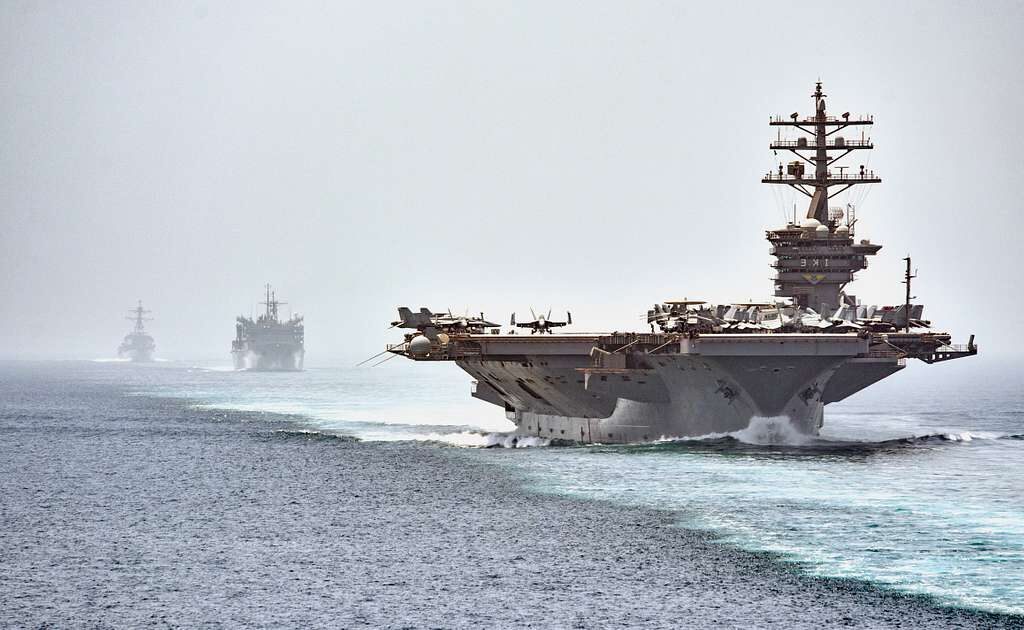
In the weeks since the preliminary deal between Washington and Tehran was signed, the Guard has watched with increasing concern as the U.S. Navy has helped carve out an alternative shipping route through Omani territorial waters, avoiding the Iranian coastline. The Iranians claim this is a direct violation of the agreement, which in their interpretation grants Tehran the explicit right to determine how mariners use the waterway. Washington of course strongly rejects this position.
Author

More on Middle East