Defense Priorities Defense Priorities
  • Policy Topics
    • Venezuela
    • China
    • Israel-Hamas
    • Ukraine-Russia
    • NATO
    • Syria
  • Analysis
    • Research
    • Q&A
  • Programs
    • Grand Strategy Program
    • Military Analysis Program
    • Asia Program
    • Middle East Program
  • Experts
  • Events
  • Media
  • About
    • Mission & Vision
    • People
    • Jobs
    • Contact
  • Donate
Select Page
Home / Israel-Hamas / The trials and tribulations of an Israel-Hamas hostage deal
Israel‑Hamas, Grand strategy, Israel, Middle East

November 21, 2023

The trials and tribulations of an Israel-Hamas hostage deal

By Daniel DePetris

Talking with your enemy during wartime is one of the most psychologically stressful things for a combatant to do. Haggling with the same people trying to kill you leaves a bad taste in the mouth. And yet, more times than not, talking and fighting at the same time is a necessity, both to explore possible avenues out of the war and to win back the release of hostages or soldiers in enemy hands.

Despite the rhetoric from Israeli Prime Minister Benjamin Netanyahu, Israel also has a dialogue going with Hamas, the terrorist group that swept into southern Israel and committed the worst atrocity against the Jewish people since the Holocaust. While Israeli and Hamas officials aren’t talking to each other directly, they are using intermediaries such as Qatar to deliver messages, exchange proposals and see whether a deal over hostages is possible.

While nobody knows how many hostages Hamas has in its custody, the number is thought to be around 240 people. Many of them are civilians of all ages, from babies to senior citizens. Where those hostages are being held is also a mystery, but the Israelis suspect a good portion are housed in the labyrinth underground tunnel system Hamas has constructed in the 17 years the group has ruled Gaza.

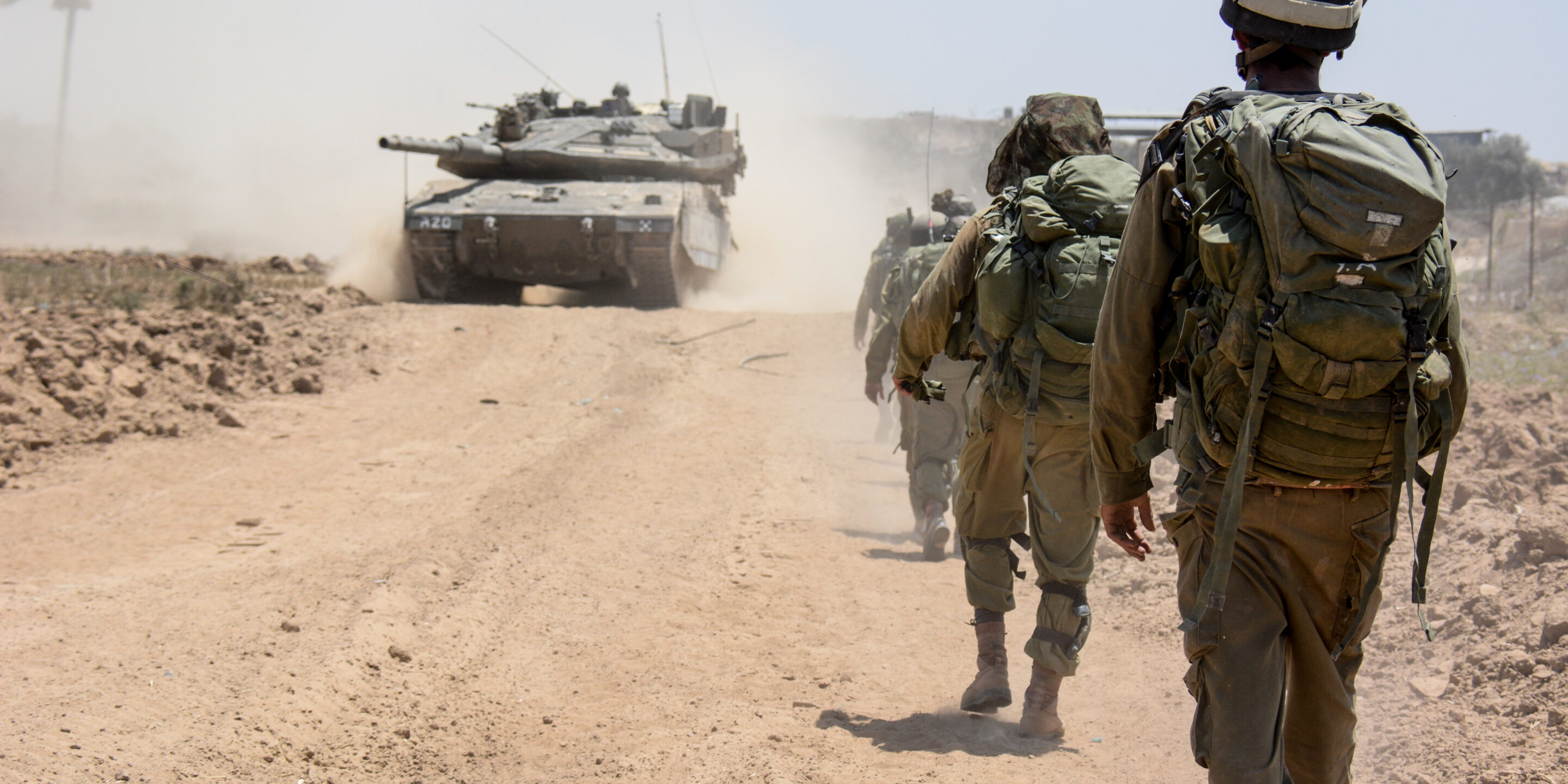
All of this presents a problem for the tens of thousands of Israeli troops combing northern Gaza: How can Israel square an intense military offensive in a densely populated area with the goal of bringing innocent civilians back to their families alive?

Read at The Chicago Tribune

Author

Photo of Daniel DePetris

Daniel
DePetris

Fellow

Defense Priorities

More on Middle East

Thousands turn out in Melbourne to stand in solidarity with protests that have broken out in Iran following the death of 22-year old Mahsa Amini at the hands of the country’s brutal dictatorship and its ‘morality’ police.
Iran

Should the U.S. do anything about Iran’s protests?

By Rosemary Kelanic

January 19, 2026

op-edMiddle East

The Saudi-UAE schism could make Trump’s job even harder

By Daniel DePetris

January 2, 2026

op-edGrand strategy, Israel‑Hamas, Middle East

The foreign policy moves Donald Trump got right this year

By Daniel DePetris

December 30, 2025

In the mediaIran, Israel‑Hamas, Israel‑Iran, Middle East

Iran’s nuclear reset shows airstrikes may not end ambitions

Featuring Rosemary Kelanic

December 29, 2025

op-edGrand strategy, Africa, Middle East

Trump wants a Nobel prize. But his record as a peacemaker is mixed at best.

By Daniel DePetris

December 28, 2025

In the mediaSyria, Counterterrorism, Middle East

After strike on American troops, what’s next for the U.S. in Syria?

Featuring Rosemary Kelanic

December 18, 2025

Events on Israel-Hamas

See All Events
virtualMiddle East, Basing and force posture, Diplomacy, Houthis, Iran, Iraq, Israel, Israel‑Hamas, Military analysis, Syria

Trump in the Middle East: Impacts, implications, and alternatives

May 16, 2025
virtualHouthis, Iran, Israel‑Hamas, Middle East, Yemen

Houthi conundrum: defend, degrade, or defer

March 28, 2024
virtualMiddle East, Iran, Israel‑Hamas, Israel‑Iran, Syria, Yemen

Keeping the U.S. out of war in the Middle East

January 16, 2024

Receive expert foreign policy analysis

Join the hub of realism and restraint

Expert updates and analysis to enhance your understanding of vital U.S. national security issues

Defense Priority Mono Logo

Our mission is to inform citizens, thought leaders, and policymakers of the importance of a strong, dynamic military—used more judiciously to protect America’s narrowly defined national interests—and promote a realistic grand strategy prioritizing restraint, diplomacy, and free trade to ensure U.S. security.

  • Research
  • Experts
  • About
  • For Media
  • Jobs
  • Donate
  • Privacy Policy
  • Terms and Conditions
  • Contact
© 2026 Defense Priorities All Right Reserved