Defense Priorities Defense Priorities
  • Policy Topics
    • US-Israel-Iran
    • Ukraine-Russia
    • Western Hemisphere
    • NATO
    • China
    • Syria
  • Analysis
    • Research
    • Q&A
  • Programs
    • Grand Strategy Program
    • Military Analysis Program
    • Asia Program
    • Middle East Program
  • Experts
  • Events
  • Media
  • About
    • Mission & Vision
    • People
    • Jobs
    • Contact
  • Donate
Select Page
Home / Israel-Hamas / The realpolitik binding Israel’s hand
Israel‑Hamas, Iran, Israel, Middle East

October 28, 2024

The realpolitik binding Israel’s hand

By Rajan Menon

The Israel Defence Forces (IDF) is seen by friend and foe alike as one of the world’s most powerful military machines. Yet Israel’s leaders habitually present their country as besieged by hostile nations bent on its destruction. This narrative persists even though some of the most important states in the Middle East—Egypt, Saudi Arabia, and Jordan—scarcely fit this description any more, and, moreover, are aligned with the U.S., Israel’s principal protector. It is this conception of Israel’s predicament that has led its leaders to favour a particular formula for deterring adversaries: when hit, hit back rapidly and much harder.

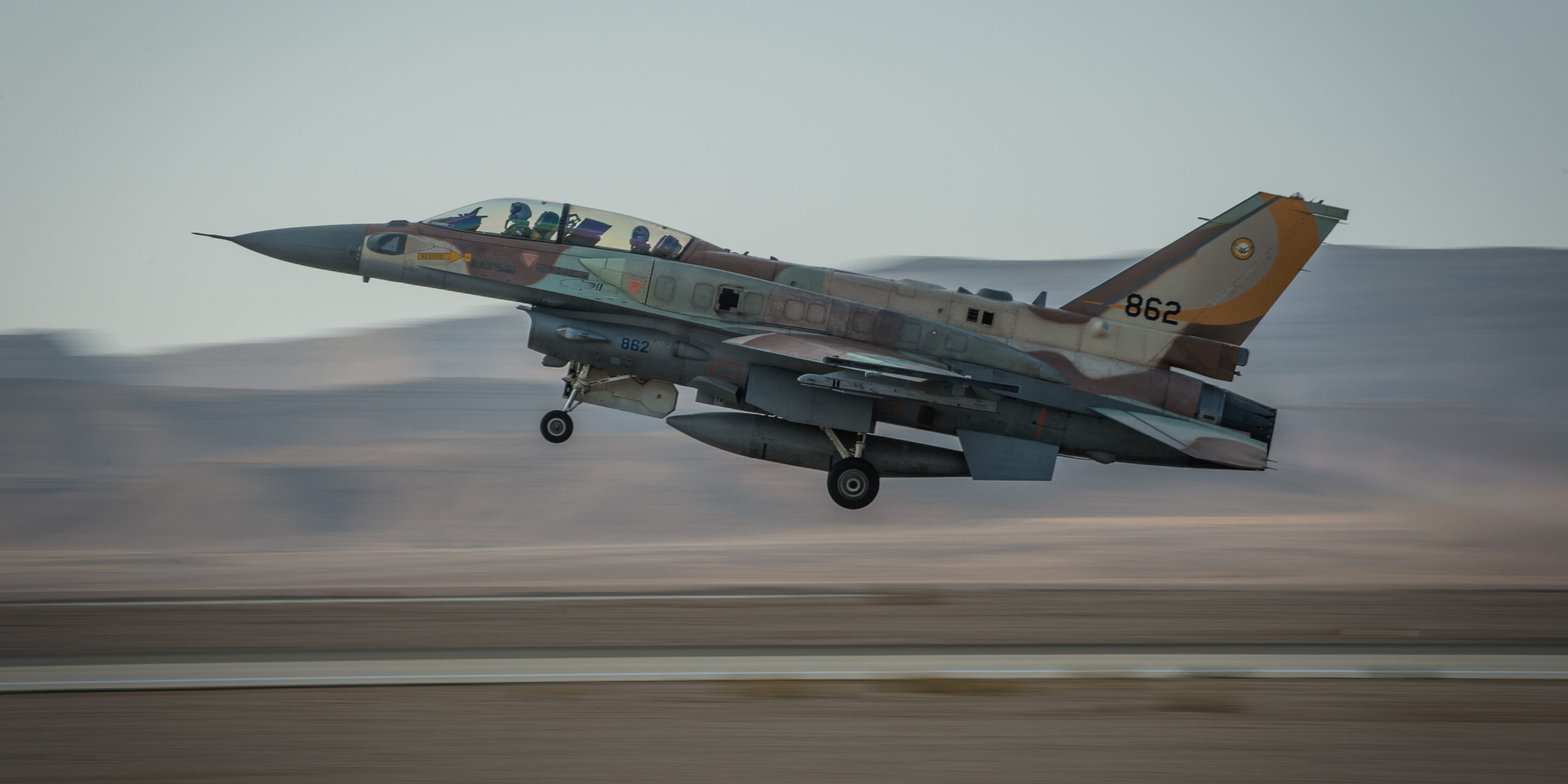
So, when some 100 Israeli warplanes and drones hit sites in Iran—as well as Iraq and Syria—on 26 October, no one could rightly have been surprised. It was always a question of when Israel would strike—not if. Yet Israel’s response didn’t conform to its typical hit-back-quickly-and-harder logic. For a start, Israel uncharacteristically delayed for nearly a month: Iran had fired a barrage of missiles at Israel on 1 October following the killing of Hezbollah’s leader Hassan Nasrallah. Perhaps Israel’s war cabinet was divided about which Iranian targets to strike. Perhaps the U.S. needed more time than it anticipated to persuade Israeli not to hit Iran’s nuclear and energy infrastructure. No matter: the delay was surprising.

So was the scope of Israel’s retaliation when it did come. It did not strike Iran’s infrastructure sites and confined itself to missile production factories, air-defence systems, radars and military bases—some 20 sites in all, according to the IDF—encompassing Tehran, Ilam and Khuzestan. It was a far cry from some of the apocalyptic scenarios feared by pundits. Any attack on Iran’s uranium enrichment centres and parts of its energy complex would have increased the probability of a further exchange, and an ever-growing cycle of escalation.

Read at New Statesman

Author

Photo of Rajan Menon

Rajan
Menon

Former Non-Resident Senior Fellow

Defense Priorities

More on Middle East

US‑Israel‑Iran, Iran, Israel, Israel‑Iran, Middle East

The risks of Donald Trump’s Strait of Hormuz blockade plan

By Jennifer Kavanagh

April 13, 2026

In the mediaUS‑Israel‑Iran, Iran, Israel, Israel‑Iran, Middle East

Trump’s naval blockade against Iran faces challenges

Featuring Daniel Davis

April 12, 2026

In the mediaUS‑Israel‑Iran, Iran, Israel, Israel‑Iran, Middle East

Vance, who wasn’t keen on Iran war, now tasked with trying to end it

Featuring Rosemary Kelanic

April 11, 2026

Op-edUS‑Israel‑Iran, Iran, Middle East

Mutual suspicion is too great for the ceasefire to hold

By Daniel DePetris

April 9, 2026

In the mediaUS‑Israel‑Iran, Iran, Israel, Israel‑Iran, Middle East

Trump’s ceasefire still leaves the U.S. and Iran mired in quandary

Featuring Jennifer Kavanagh

April 8, 2026

Op-edUS‑Israel‑Iran, Iran, Middle East

Why Trump stepped back from the brink

By Daniel DePetris

April 8, 2026

Events on Israel-Hamas

See All Events
virtualMiddle East, Basing and force posture, Diplomacy, Houthis, Iran, Iraq, Israel, Israel‑Hamas, Military analysis, Syria

Trump in the Middle East: Impacts, implications, and alternatives

May 16, 2025
virtualHouthis, Iran, Israel‑Hamas, Middle East, Yemen

Houthi conundrum: defend, degrade, or defer

March 28, 2024
virtualMiddle East, Iran, Israel‑Hamas, Israel‑Iran, Syria, Yemen

Keeping the U.S. out of war in the Middle East

January 16, 2024

Receive expert foreign policy analysis

Join the hub of realism and restraint

Expert updates and analysis to enhance your understanding of vital U.S. national security issues

Defense Priority Mono Logo

Our mission is to inform citizens, thought leaders, and policymakers of the importance of a strong, dynamic military—used more judiciously to protect America’s narrowly defined national interests—and promote a realistic grand strategy prioritizing restraint, diplomacy, and free trade to ensure U.S. security.

  • Research
  • Experts
  • About
  • For Media
  • Jobs
  • Donate
  • Privacy Policy
  • Terms and Conditions
  • Contact
© 2026 Defense Priorities Foundation. All rights reserved.