Defense Priorities Defense Priorities
  • Policy Topics
    • US-Israel-Iran
    • Ukraine-Russia
    • Western Hemisphere
    • NATO
    • China
    • Syria
  • Analysis
    • Research
    • Q&A
  • Programs
    • Grand Strategy Program
    • Military Analysis Program
    • Asia Program
    • Middle East Program
  • Experts
  • Events
  • Media
  • About
    • Mission & Vision
    • People
    • Jobs
    • Contact
  • Donate
Select Page
Home / Grand strategy / The real problem with the defense budget
Grand strategy

August 11, 2025

The real problem with the defense budget

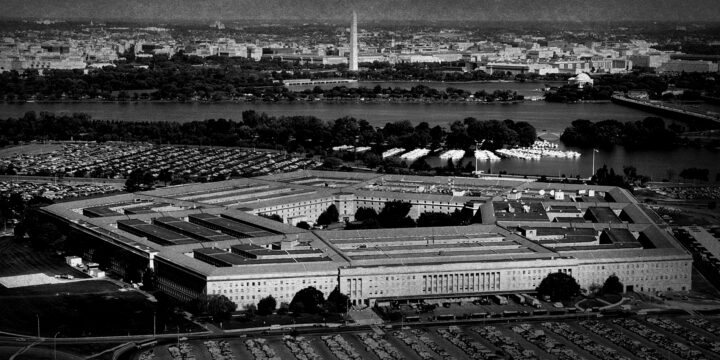
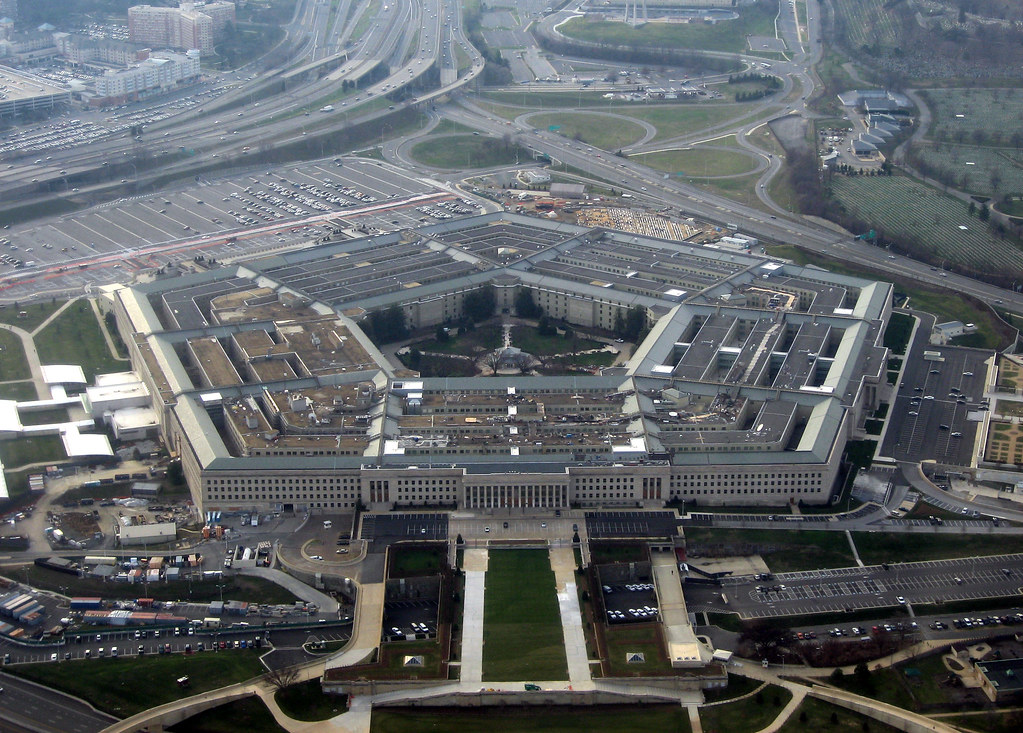
The Trump administration is using a novel approach to increase defense spending. The Pentagon is relying on reconciliation, a special legislative process that expedites the passage of high-priority fiscal bills, to add money to programs underfunded in the base defense budget. Congress can pass reconciliation bills with a simple majority vote that, at least in today’s Washington, requires one party to control both houses and the presidency.

Defense hawks in Congress have criticized this approach since the White House’s request for the Pentagon’s base budget will keep spending flat through fiscal year 2026. If the 2026 midterm election results in a divided government, it is unlikely that the $1 trillion in defense spending the base budget and reconciliation request call for could be enacted again.

But the underlying problem with the budget is that the United States is courting strategic insolvency. Trying to maintain U.S. global military dominance has not only backfired geopolitically; it has also worsened the United States’ fiscal health. Fortunately, America’s geographic insularity affords it advantages that will not be undermined if it makes the right cuts and rigorously prioritizes among threats. Indeed, doing so would strengthen U.S. security by avoiding fiscal and geopolitical overstretch.

Ironically, hawks recognize that current spending levels are insufficient to support U.S. global military dominance. To support a “multiple theater force construct,” the congressionally authorized 2024 Commission on the National Defense Strategy argued for increasing defense spending to 3% to 5% above inflation. Hawks in Congress have also called for defense spending to reach 5% of GDP so the United States can take on the “axis of aggressors,” meaning Russia, China, Iran and North Korea.

Read at Stars and Stripes

The Latest

Op-edWestern Hemisphere

Trump’s Cuba strategy is straightforward. The outcome will be anything but.

By Daniel DePetris

March 15, 2026

In the mediaUS‑Israel‑Iran, Iran, Israel, Israel‑Iran, Middle East

Weakened by war, Iran hits back by strangling a vital waterway

Featuring Rosemary Kelanic

March 13, 2026

Op-edUS‑Israel‑Iran, Iran, Middle East

How to avoid a forever war in Iran

By William Walldorf

March 13, 2026

In the mediaUS‑Israel‑Iran, Iran, Middle East

Seven reasons why Trump hasn’t won the Iran war

Featuring Jennifer Kavanagh

March 12, 2026

In the mediaUS‑Israel‑Iran, Iran, Israel, Israel‑Iran, Middle East

Why does the war with Iran threaten the global economy?

Featuring Rosemary Kelanic

March 12, 2026

Op-edUS‑Israel‑Iran, Iran, Middle East, Russia, Ukraine‑Russia

Iran war has given Putin leverage over Trump

By Jennifer Kavanagh

March 12, 2026

Events on Grand strategy

See All Events
virtualGlobal posture, Grand strategy, Military analysis

Assessing the 2026 NDS: What comes next?

February 9, 2026
virtualEurope and Eurasia, Asia, Grand strategy

Assessing the 2026 NDS: Alignment with restraint?

February 9, 2026
virtualNATO, Alliances, Burden sharing, Europe and Eurasia, Grand strategy

Assessing the 2026 NDS: Will it usher in burden shifting?

February 9, 2026

Receive expert foreign policy analysis

Join the hub of realism and restraint

Expert updates and analysis to enhance your understanding of vital U.S. national security issues

Defense Priority Mono Logo

Our mission is to inform citizens, thought leaders, and policymakers of the importance of a strong, dynamic military—used more judiciously to protect America’s narrowly defined national interests—and promote a realistic grand strategy prioritizing restraint, diplomacy, and free trade to ensure U.S. security.

  • Research
  • Experts
  • About
  • For Media
  • Jobs
  • Donate
  • Privacy Policy
  • Terms and Conditions
  • Contact
© 2026 Defense Priorities Foundation. All rights reserved.