Defense Priorities Defense Priorities
  • Policy Topics
    • US-Israel-Iran
    • Ukraine-Russia
    • Western Hemisphere
    • NATO
    • China
    • Syria
  • Analysis
    • Research
    • Q&A
  • Programs
    • Grand Strategy Program
    • Military Analysis Program
    • Asia Program
    • Middle East Program
  • Experts
  • Events
  • Media
  • About
    • Mission & Vision
    • People
    • Jobs
    • Contact
  • Donate
Select Page
Home / Middle East / The old rules of geopolitics return to the Persian Gulf
Middle East

August 9, 2023

The old rules of geopolitics return to the Persian Gulf

By Andrew Latham

“What has been will be again, what has been done will be done again; there is nothing new under the sun.” These words from Ecclesiastes apply to the geopolitics of the Persian Gulf, which, while appearing on the surface to be new and unfamiliar, are in fact ancient and utterly recognizable.

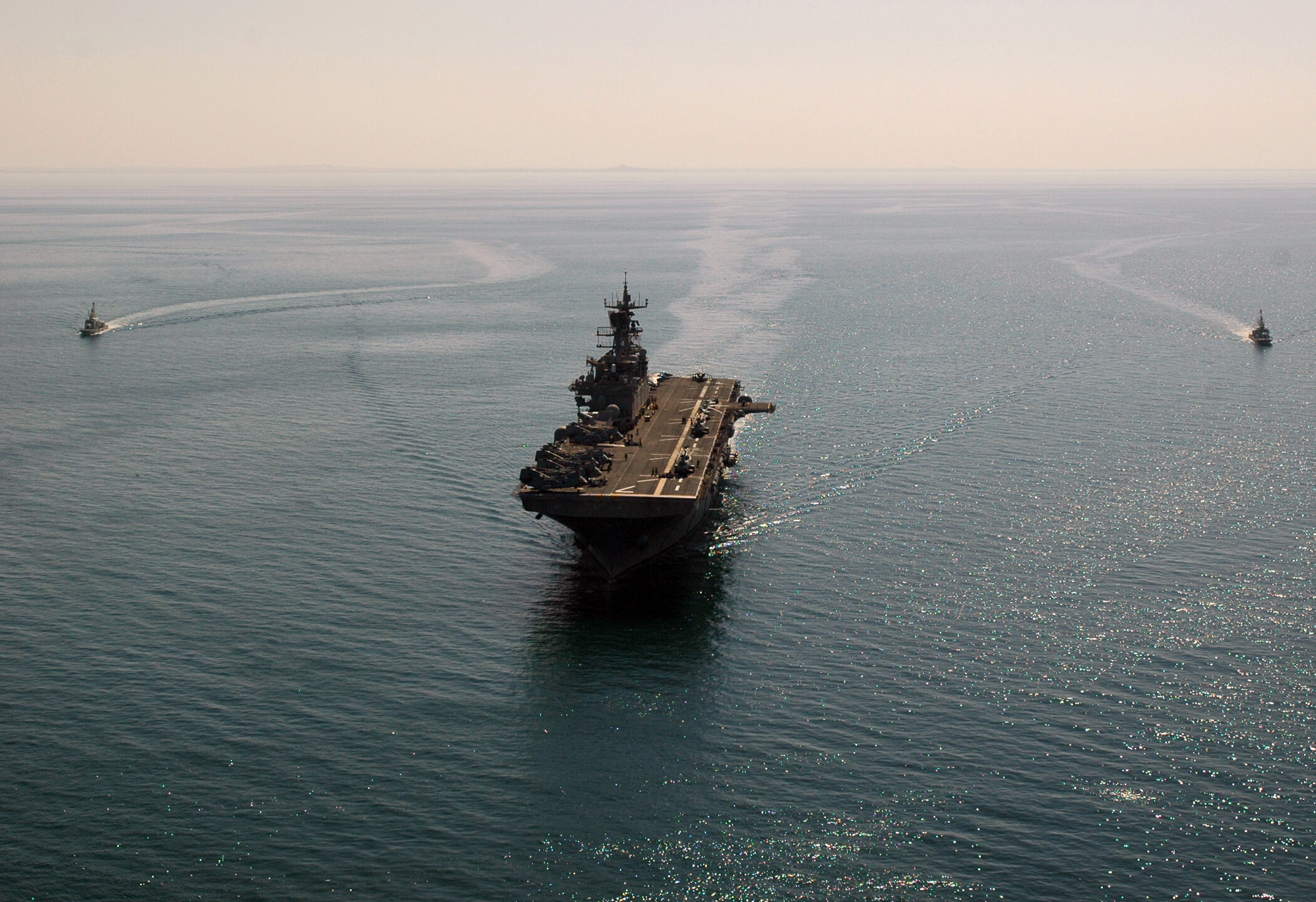
To the untrained eye, the region appears to be undergoing a massive shakeup. The United Arab Emirates and Saudi Arabia, once allies, are now locked in a bitter competition for regional power and influence. Long-time existential foes, such as Bahrain and the UAE on one side and Israel on the other, have normalized diplomatic relations and increased security cooperation. Saudi Arabia and Qatar have reconciled. Turkey has made significant overtures to Egypt and several Gulf states. China is emerging as an increasingly consequential economic and geopolitical player in the region, and the Iranian-Saudi “cold war” appears to have entered a Chinese-brokered period of detente. And all this while the United States continues to vacillate between its much-heralded “pivot” to the Indo-Pacific and its legacy role as cornerstone balancer in the Persian Gulf region.

Read at The Hill

Author

Photo of Andrew Latham

Andrew
Latham

Non-Resident Fellow

Defense Priorities

More on Middle East

In the mediaUS‑Israel‑Iran, Iran, Middle East

CVA Hosted Panel: The Iran Conflict Explained

Featuring Jennifer Kavanagh

March 11, 2026

In the mediaUS‑Israel‑Iran, Iran, Middle East

IEA Announces Largest Ever Global Strategic Petroleum Reserves Release

Featuring Rosemary Kelanic

March 11, 2026

Op-edUS‑Israel‑Iran, Iran, Middle East

Is an Off-Ramp With Iran Possible?

By Daniel DePetris

March 10, 2026

Op-edUS‑Israel‑Iran, Iran, Middle East

Militarily, the Iran war is a success. But what are the U.S. goals?

By Daniel DePetris

March 10, 2026

Op-edUS‑Israel‑Iran, Iran, Middle East

Trump’s war against Iran is uniquely unpopular among U.S. military actions of the past century

By William Walldorf

March 10, 2026

In the mediaUS‑Israel‑Iran, Iran, Middle East

Iran warns it will block oil from Strait of Hormuz until U.S. strikes end

Featuring Rosemary Kelanic

March 10, 2026

Events on Middle East

See All Events
virtualMiddle East

What’s Next for U.S. Foreign Policy in 2026? Middle East Edition

January 14, 2026
virtualGreat power competition, Balance of power, China, Grand strategy, Middle East

U.S.-China competition and the value of Middle East influence

June 10, 2025
virtualMiddle East, Basing and force posture, Diplomacy, Houthis, Iran, Iraq, Israel, Israel‑Hamas, Military analysis, Syria

Trump in the Middle East: Impacts, implications, and alternatives

May 16, 2025

Receive expert foreign policy analysis

Join the hub of realism and restraint

Expert updates and analysis to enhance your understanding of vital U.S. national security issues

Defense Priority Mono Logo

Our mission is to inform citizens, thought leaders, and policymakers of the importance of a strong, dynamic military—used more judiciously to protect America’s narrowly defined national interests—and promote a realistic grand strategy prioritizing restraint, diplomacy, and free trade to ensure U.S. security.

  • Research
  • Experts
  • About
  • For Media
  • Jobs
  • Donate
  • Privacy Policy
  • Terms and Conditions
  • Contact
© 2026 Defense Priorities Foundation. All rights reserved.