Israel’s ongoing war on Hezbollah and ethnic cleansing and razing of Lebanon more broadly continues largely unabated. The small eastern Mediterranean country sits at the core of the Middle East’s ongoing regional war between Israel, the United States, and Iran, and for important strategic reasons. Yet, unfortunately for the Lebanese people, that strategic relevance is producing a tragedy, as geopolitical wrangling threatens to rip the country apart without resolving the primary interconnected issues that define the conflict in the country and regionally.
The country draws the ire of Israel and its patron, the United States, given Lebanese Hezbollah’s stance within Iran’s so-called “Axis of Resistance” and its militant support for Hamas in Palestine. While Hezbollah does not and never has posed an existential threat to the Israeli state, it has lived in the imagination of Israeli policymakers as an actor that could do severe harm to Israel in any open conflict with either it or Iran. Indeed, the armed group possesses advanced weapons to do real damage to Israel in any such scenario, although it has lost many weapons in its fight against Israel.
Over two and a half years into the Israel-Hezbollah War, the group is heavily battered but more than capable of conducting asymmetric warfare with a far more militarily superior Israel. It has suffered tactical defeat after defeat since joining the war against Israel after the Hamas attacks of October 7, 2023, in defense of the group and in solidarity with Palestinians in Gaza more broadly, as Israel rapidly began its genocide in the Strip. While so-called ceasefires in November 2024, April 2026, and June 3 have been meant to end hostilities between Israel and Hezbollah, they have facilitated Israeli strikes and occupation that have not stopped, leading Hezbollah to respond.
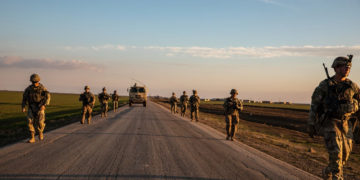
Israel is therefore mostly to blame for the war. It has repeatedly violated the ceasefires, reserving freedom of action in Lebanon regardless of words on paper or public statements—even from Washington. It continues to occupy sovereign Lebanese territory since the fall of 2024, with senior Israeli officials like Defense Minister Israel Katz proclaiming that such deployments are “indefinite.” It has killed thousands and injured tens of thousands more by exporting the so-called “Gaza model” in what long ago became a war of choice by the Israeli state and a society that supports action to displace, raze, and ethnically cleanse southern Lebanon.
Author

More on Middle East