Defense Priorities Defense Priorities
  • Policy Topics
    • US-Israel-Iran
    • Ukraine-Russia
    • Western Hemisphere
    • NATO
    • China
  • Analysis
    • Policy Papers
    • Symposia
    • Q&A
    • Polls
    • Grand Strategy Explained
    • Target Taiwan
  • Programs
    • Grand Strategy Program
    • Military Analysis Program
    • Asia Program
    • Middle East Program
  • Experts
  • Events
  • Media
  • About
    • Mission & Vision
    • People
    • Jobs
    • Contact
  • Donate
Select Page
Home / US-Israel-Iran / The Iran War and the Future of American Empire
US‑Israel‑Iran, Iran, Middle East

June 8, 2026

The Iran War and the Future of American Empire

By Jennifer Kavanagh

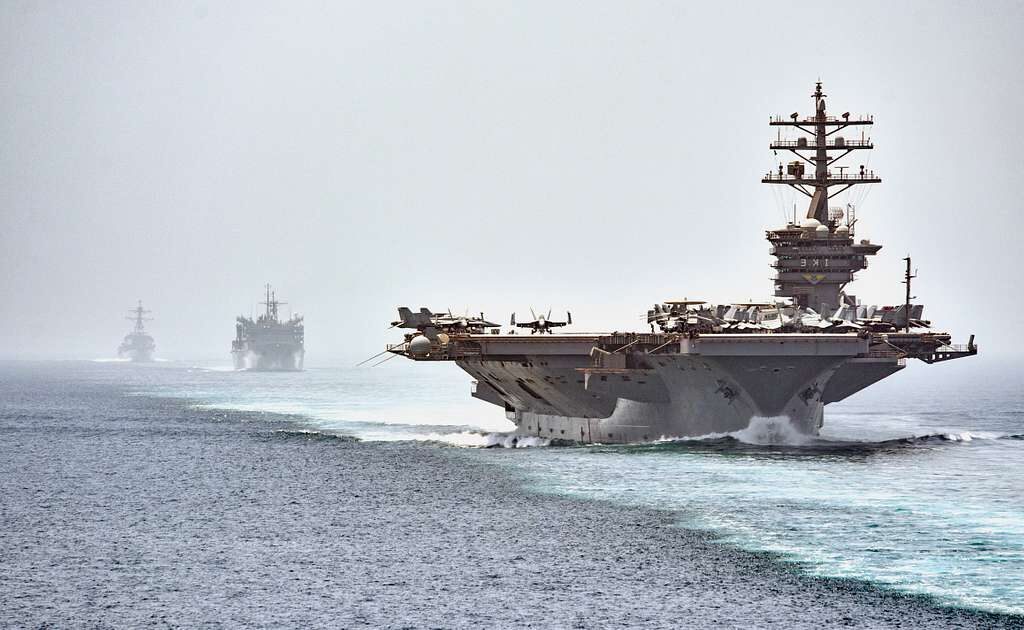
Wars often go wrong in unexpected ways. Even well-planned operations can be derailed by surprise events, equipment failures, bad weather, or bad luck. But the disaster that followed President Donald Trump’s decision to attack Iran on February 28 was not a surprise. War-gamed and red-teamed dozens of times over decades, the risks of the campaign were well-known and obvious.

Still, the war’s outcome has been worse than the most pessimistic predictions. Three months into what the Trump administration has called an “excursion,” the initial assessment that Operation Epic Fury was a “tactical success but strategic failure” appears too generous. After all, neither strategic nor tactical goals were achieved. The United States did not replace the Iranian regime with new, moderate leaders. It failed to seize Iran’s highly enriched uranium or eliminate Iran’s nuclear program. Worse, most reports suggest Iran has retained much of its military capacity, including access to large portions of its missile and drone stockpiles. Finally, the war has created a new, bedeviling problem. The Strait of Hormuz, once the passageway for 20 percent of the world’s oil and liquified natural gas, remains effectively closed.

No matter how the war ends, the costs of the latest U.S. military adventure in the Middle East will be steep and the geopolitical consequences irreversible. The next generation of U.S. leaders will face a stark reality. The United States, which for decades has made decisions based on what policymakers thought America should do, will be forced to consider what the United States can do. The change will have major implications for the United States, but also for U.S. allies who have come to depend on American security guarantees and for the international community that relies on the United States for provision of global security goods, like freedom of navigation.

Read at The American Conservative

Author

Jennifer
Kavanagh

Senior Fellow & Director of Military Analysis

Defense Priorities

More on Middle East

In the mediaMiddle East

Iran war puts future U.S. military presence in Middle East in question

September 17, 2026

Op-edUS‑Israel‑Iran, Iran, Middle East

Will Iran become a two-front war?

By Daniel DePetris

September 15, 2026

In the mediaUS‑Israel‑Iran, Middle East

Oil hits $100 a barrel for first time since July as U.S. and Iran trade strikes

Featuring Rosemary Kelanic

September 9, 2026

In the mediaUS‑Israel‑Iran, Iran, Middle East

Vance says Iran fight isn’t a ‘war’ as Trump tries to navigate unpopular conflict as election nears

Featuring Rosemary Kelanic

September 4, 2026

In the mediaUS‑Israel‑Iran, Europe and Eurasia, Iran, Middle East, Ukraine, Ukraine‑Russia

U.S. Munitions Sent to Ukraine Compared to Iran War as Trump Blames Biden

Featuring Jennifer Kavanagh

September 4, 2026

In the mediaIran, Middle East, US‑Israel‑Iran

Hurting Everyday Iranians Doesn’t Help American Interests

Featuring Rosemary Kelanic

September 2, 2026

Receive expert foreign policy analysis

Join the hub of realism and restraint

Expert updates and analysis to enhance your understanding of vital U.S. national security issues

Defense Priority Mono Logo

Our mission is to inform citizens, thought leaders, and policymakers of the importance of a strong, dynamic military—used more judiciously to protect America’s narrowly defined national interests—and promote a realistic grand strategy prioritizing restraint, diplomacy, and free trade to ensure U.S. security.

Defense Priorities Foundation is a 501(c)(3) non-profit organization supported entirely by American individuals and foundations—no funding comes from the United States government or any foreign government.

  • Experts
  • Papers
  • Symposia
  • Q&A
  • Polls
  • Events
  • Media
  • Terms and Conditions
  • Privacy Policy
  • About
  • Jobs
  • Contact
  • Donate
© 2026 Defense Priorities Foundation. All rights reserved.