If there is one thing you can say about Mexican President Claudia Sheinbaum, it’s that she’s handled President Donald Trump quite well so far. This was by no means a given; as Colombian President Gustavo Petro is learning the hard way, Trump’s personal relationships with foreign leaders can run hot and cold depending on the day and the issue at hand. Trump used Mexico as a punching bag during his 2024 campaign, blasting the inadequacies of its politicians and threatening to deploy U.S. special forces into the country to destroy the drug labs churning out fentanyl at a feverish pace.
Fortunately for Sheinbaum, none of this has come to pass. While Trump slapped 25% tariffs on Mexican imports in February and often comes back to the theme of taking unilateral U.S. action against the cartels, he has been more willing to give the Mexican government time to prove its worth than many originally thought. Trump called Sheinbaum “a lovely woman,” signed a security deal with Mexico in September that increased coordination on anti-drug trafficking initiatives and seems to grasp the basic conclusion that the only winner of a turbulent U.S.-Mexico relationship is the cartels both nations seek to fight.
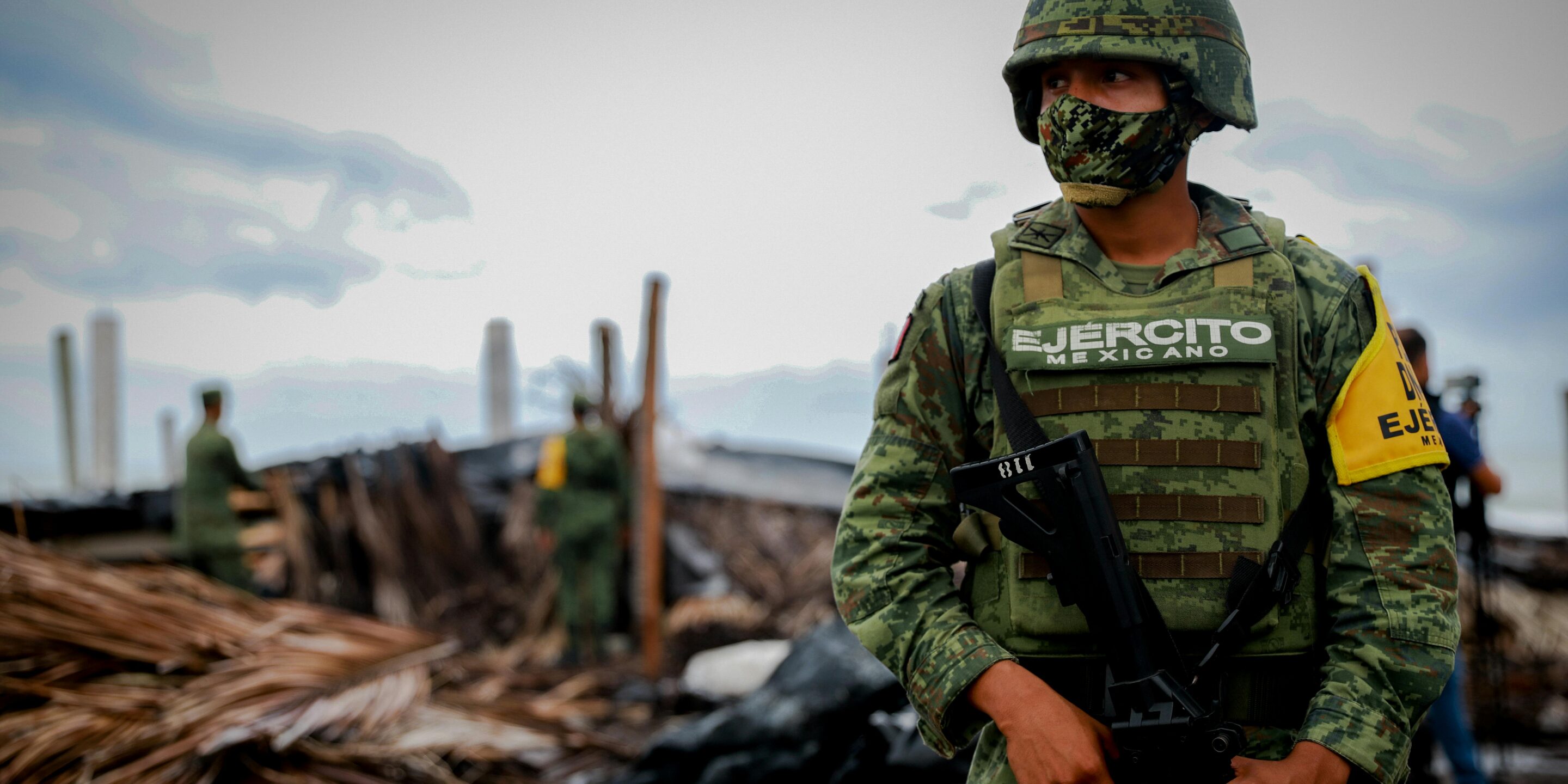
Trump’s relatively cooperative stance didn’t come out of nowhere. It’s a reflection of the Mexican government helping itself. Sheinbaum’s administration is far more aggressive on criminal organizations than its immediate predecessor, that of Andrés Manuel López Obrador (AMLO), who was never particularly enthralled with the “war on drugs” mentality and treated the problem of cartel violence as a socioeconomic one. Even so, the so-called “hugs, not bullets” approach did nothing to stem the tide of violence. By the latter half of his six-year term, even AMLO started leaning more heavily on the Mexican army, just as previous Mexican presidents have done since the turn of the century.
In contrast, Sheinbaum didn’t need much convincing to use the stick, which is probably why Trump is so supportive of her—at least for now. According to Mexican government statistics, homicides declined by more than 24% in the first nine months of her tenure. More than 32,000 criminal suspects have been arrested, thousands of drug labs have been decommissioned and more than 245 tons of drugs have been seized. Unlike AMLO, who was highly skeptical of U.S. motivations, Sheinbaum’s administration has allowed the CIA to increase surveillance flights over cartel hot spots in Mexico, where the information is turned over to Mexican security services on the ground. Mexico has also sent dozens of cartel operatives to the United States for prosecution, which is something Washington could only dream of in the years when AMLO occupied the presidential palace.
Author

More on Western Hemisphere