Defense Priorities Defense Priorities
  • Policy Topics
    • US-Israel-Iran
    • Ukraine-Russia
    • Western Hemisphere
    • NATO
    • China
    • Syria
  • Analysis
    • Research
    • Q&A
  • Programs
    • Grand Strategy Program
    • Military Analysis Program
    • Asia Program
    • Middle East Program
  • Experts
  • Events
  • Media
  • About
    • Mission & Vision
    • People
    • Jobs
    • Contact
  • Donate
Select Page
Home / Israel-Hamas / Should Israel weigh strikes on Iran’s nuclear program?
Israel‑Hamas, Iran, Israel, Middle East

October 3, 2024

Should Israel weigh strikes on Iran’s nuclear program?

By Daniel DePetris

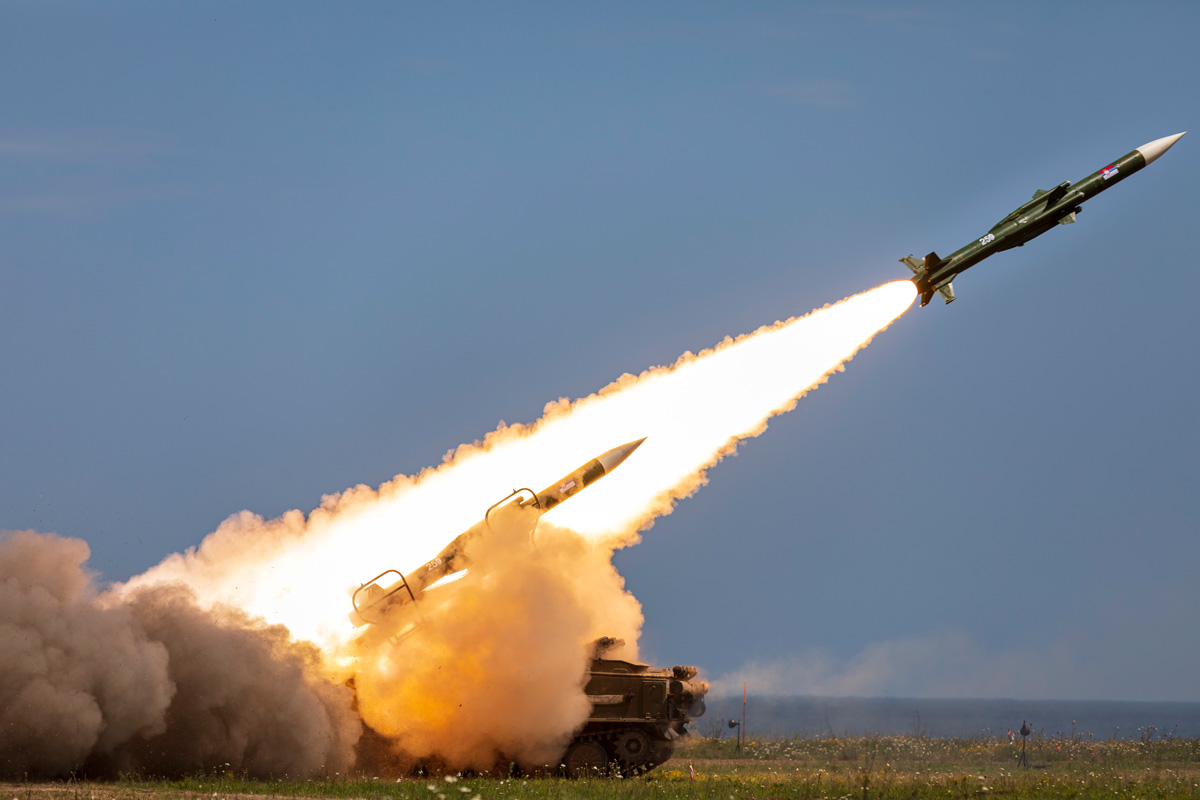
Iran’s decision to launch approximately 200 ballistic missiles into Israel this week tells us two things. First, Iranian Supreme Leader Ayatollah Ali Khamenei was so concerned about the weakening of Tehran’s strategic position after weeks of Israeli operations against Hezbollah that he believed a direct attack on Israel was required to build back some of its deterrent. Second, Khamenei and his advisers are more worried than ever that after its proxy in Lebanon is degraded, Israel may look to cut off the head of the snake—the clerical regime in Tehran itself.

An Iranian missile attack on Israeli territory—even if the attack resulted in light damage—is liable to increase, not reduce, that prospect. The Iranian government gave Israeli Prime Minister Benjamin Netanyahu a warning—If you retaliate, then expect more powerful strikes. Netanyahu, though, doesn’t view those statements as particularly convincing. “The regime in Iran does not understand our determination to defend ourselves and our determination to retaliate against our enemies,” Netanyahu said recently. “They will understand, whoever attacks us—we will attack him.”
The question isn’t whether Israel will retaliate but rather how.

Read at Newsweek

Author

Photo of Daniel DePetris

Daniel
DePetris

Fellow

Defense Priorities

More on Middle East

Op-edUS‑Israel‑Iran, Iran, Middle East

Trump’s Project Freedom U-turn shows limits of coercion

By Daniel DePetris

May 7, 2026

Op-edUS‑Israel‑Iran, Iran, Middle East

Trump’s ‘Project Freedom’ Iran war mission was over almost as soon as it started

By Daniel DePetris

May 7, 2026

In the mediaMiddle East, Iran, US‑Israel‑Iran

Attack on French cargo ship highlights continued risks in Strait of Hormuz

Featuring Rosemary Kelanic

May 6, 2026

Op-edUS‑Israel‑Iran, Iran, Middle East

Iran Has All the Hallmarks of a Forever War

By William Walldorf

May 6, 2026

In the mediaUS‑Israel‑Iran, Iran, Middle East

Can a peace deal be agreed between Iran and U.S.?

Featuring William Walldorf

May 6, 2026

In the mediaIran, Middle East, US‑Israel‑Iran

Analyst: Iran Would Prefer A Return To Fighting Over Deal That ‘Compromises Their Sovereignty’

Featuring Jennifer Kavanagh

May 5, 2026

Events on Israel-Hamas

See All Events
virtualMiddle East, Basing and force posture, Diplomacy, Houthis, Iran, Iraq, Israel, Israel‑Hamas, Military analysis, Syria

Trump in the Middle East: Impacts, implications, and alternatives

May 16, 2025
virtualHouthis, Iran, Israel‑Hamas, Middle East, Yemen

Houthi conundrum: defend, degrade, or defer

March 28, 2024
virtualMiddle East, Iran, Israel‑Hamas, Israel‑Iran, Syria, Yemen

Keeping the U.S. out of war in the Middle East

January 16, 2024

Receive expert foreign policy analysis

Join the hub of realism and restraint

Expert updates and analysis to enhance your understanding of vital U.S. national security issues

Defense Priority Mono Logo

Our mission is to inform citizens, thought leaders, and policymakers of the importance of a strong, dynamic military—used more judiciously to protect America’s narrowly defined national interests—and promote a realistic grand strategy prioritizing restraint, diplomacy, and free trade to ensure U.S. security.

  • Research
  • Experts
  • About
  • For Media
  • Jobs
  • Donate
  • Privacy Policy
  • Terms and Conditions
  • Contact
© 2026 Defense Priorities Foundation. All rights reserved.