Defense Priorities Defense Priorities
  • Policy Topics
    • US-Israel-Iran
    • Ukraine-Russia
    • Western Hemisphere
    • NATO
    • China
    • Syria
  • Analysis
    • Research
    • Q&A
  • Programs
    • Grand Strategy Program
    • Military Analysis Program
    • Asia Program
    • Middle East Program
  • Experts
  • Events
  • Media
  • About
    • Mission & Vision
    • People
    • Jobs
    • Contact
  • Donate
Select Page
Home / Grand strategy / Resuming nuclear testing is a dangerous gamble
Grand strategy, Nuclear weapons

December 13, 2025

Resuming nuclear testing is a dangerous gamble

By Thomas P. Cavanna

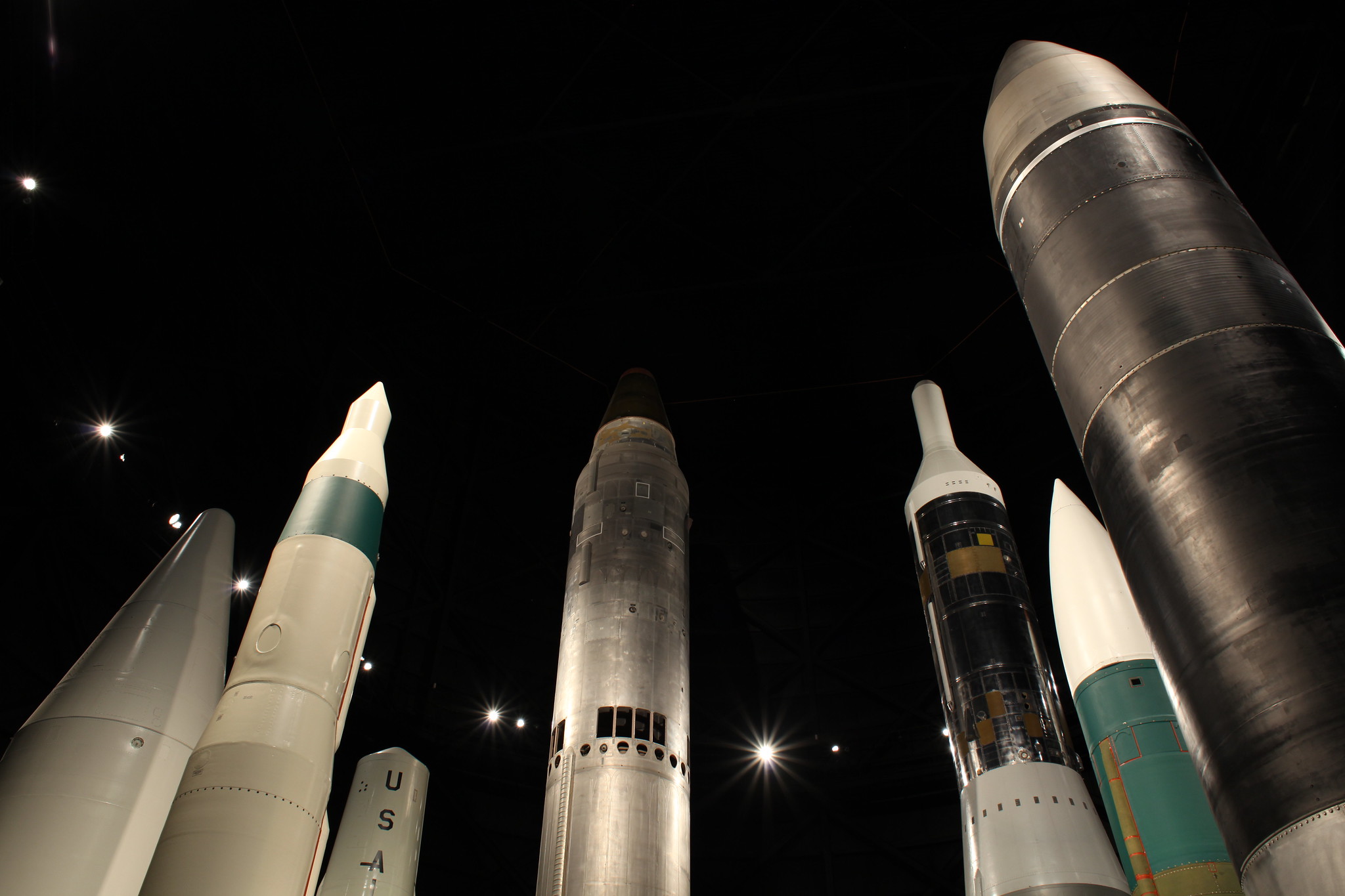
In late October, President Trump declared on social media that he had ordered the Pentagon “to start testing our nuclear weapons,” thereby ending the voluntary moratorium imposed by the Bush Sr. administration in 1992. The president portrayed his decision as a response to “other countries’ testing programs” and singled out Russia and China, which he later claimed had conducted small-scale underground detonations covertly.

One month later, and the administration has yet to take concrete steps forward. However, the resumption of America’s nuclear testing could have dangerous repercussions for the U.S. and the world.

Trump’s statement sounded like an improvisation. He surprised his aides. He erroneously claimed that the U.S. (not Russia) had the world’s largest nuclear arsenal. He mistakenly suggested that the Department of War (not the Department of Energy) handled nuclear testing. Finally, his Secretary of Energy quickly contradicted him.

As he seemed to suggest, several reports have accused Moscow and Beijing of conducting small “supercritical nuclear tests” to improve their warheads, exploiting long-standing ambiguities about what constitutes a test. But those allegations are difficult to verify. Regardless, the data such tests can provide is limited and pertains to nuclear safety rather than weapons enhancement.

Read at Real Clear World

Author

Thomas P.
Cavanna

Non-Resident Fellow

Defense Priorities

The Latest

Op-edUS‑Israel‑Iran, Iran, Middle East

Mutual suspicion is too great for the ceasefire to hold

By Daniel DePetris

April 9, 2026

Op-edChina, Asia

Understanding China’s Amphibious Warfare: The Yijiangshan Case Study

By Lyle Goldstein

April 9, 2026

In the mediaUS‑Israel‑Iran, Iran, Middle East

Trump’s Ceasefire Leaves Unanswered Questions About What Was Gained

Featuring Jennifer Kavanagh

April 8, 2026

In the mediaUS‑Israel‑Iran, Iran, Israel, Israel‑Iran, Middle East

Trump’s ceasefire still leaves the U.S. and Iran mired in quandary

Featuring Jennifer Kavanagh

April 8, 2026

Op-edUS‑Israel‑Iran, Iran, Middle East

Why Trump stepped back from the brink

By Daniel DePetris

April 8, 2026

Op-edNATO, Alliances, Europe and Eurasia

Our NATO allies are unwilling to play Donald Trump’s game this time around

By Daniel DePetris

April 7, 2026

Events on Grand strategy

See All Events
virtualGrand strategy, Military analysis

Assessing the 2026 NDS: How does it deal with defense deficits?

February 9, 2026
virtualEurope and Eurasia, Asia, Grand strategy

Assessing the 2026 NDS: Alignment with restraint?

February 9, 2026
virtualGlobal posture, Grand strategy, Military analysis

Assessing the 2026 NDS: What comes next?

February 9, 2026

Receive expert foreign policy analysis

Join the hub of realism and restraint

Expert updates and analysis to enhance your understanding of vital U.S. national security issues

Defense Priority Mono Logo

Our mission is to inform citizens, thought leaders, and policymakers of the importance of a strong, dynamic military—used more judiciously to protect America’s narrowly defined national interests—and promote a realistic grand strategy prioritizing restraint, diplomacy, and free trade to ensure U.S. security.

  • Research
  • Experts
  • About
  • For Media
  • Jobs
  • Donate
  • Privacy Policy
  • Terms and Conditions
  • Contact
© 2026 Defense Priorities Foundation. All rights reserved.