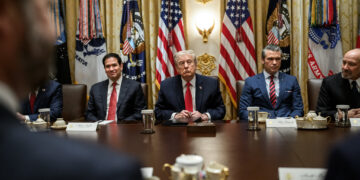
On Thursday, the Wall Street Journal reported that President Trump was debating a limited strike against Iranian military targets. This was in the hope of pushing Supreme Leader Ali Khamenei into signing a nuclear deal on Washington’s terms. Asked the next morning to comment on whether he was indeed reviewing this option, Trump said: “I guess I can say I am considering it.”
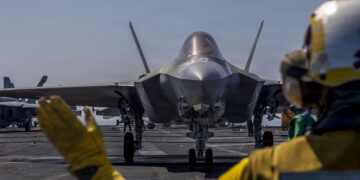
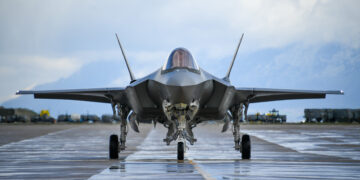
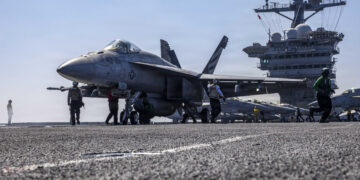
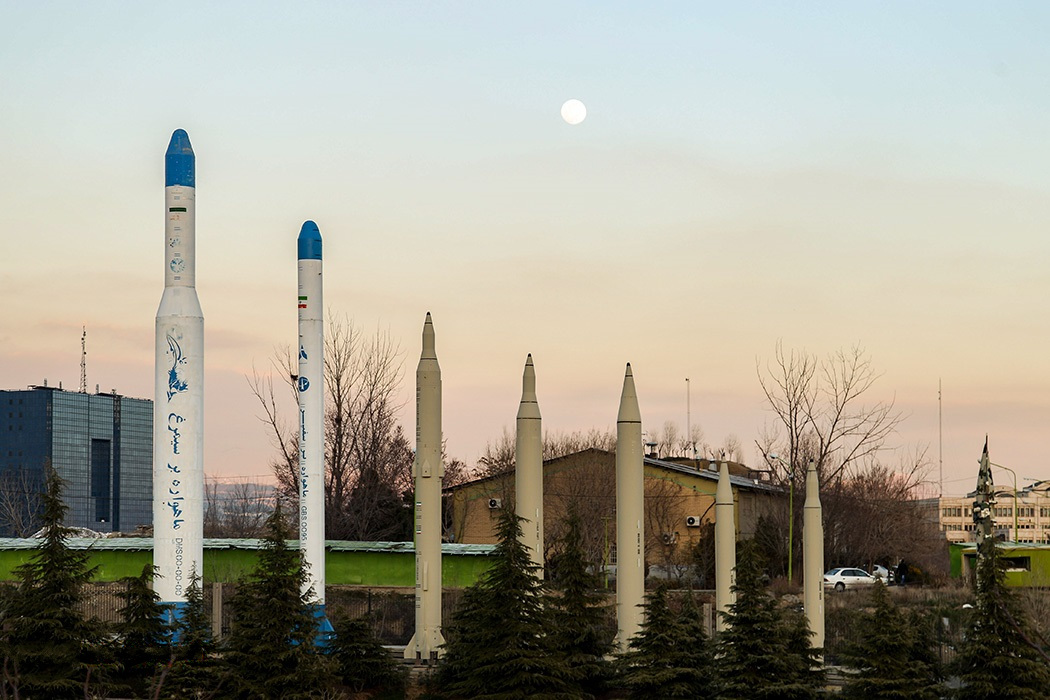
Meanwhile, the Trump administration continues to deploy military assets to the Middle East, both to coerce Tehran into an agreement and to ensure the U.S. military has the platforms and enablers needed to execute a weeks-long campaign against Iran if ordered. Iran, which experienced the weight of heavy bunker-busting munitions last June when American B-2 bombers damaged its three main nuclear facilities, is in its most vulnerable position since the eight-year war with Saddam Hussein’s Iraq four decades ago. The Tehran government’s rhetoric masks this reality. If the U.S. attacked Iran, its Ambassador to the UN wrote in a letter, “all bases, facilities, and assets of the hostile force in the region would constitute legitimate targets in the context of Iran’s defensive response.”
But what could Iran realistically pull off in such a scenario?
Author

More on Middle East