Defense Priorities Defense Priorities
  • Policy Topics
    • US-Israel-Iran
    • Ukraine-Russia
    • Western Hemisphere
    • NATO
    • China
    • Syria
  • Analysis
    • Research
    • Q&A
  • Programs
    • Grand Strategy Program
    • Military Analysis Program
    • Asia Program
    • Middle East Program
  • Experts
  • Events
  • Media
  • About
    • Mission & Vision
    • People
    • Jobs
    • Contact
  • Donate
Select Page
Home / NATO / NATO should be honest with Kiev
NATO, Europe and Eurasia, Russia, Ukraine

March 8, 2024

NATO should be honest with Kiev

By Daniel DePetris

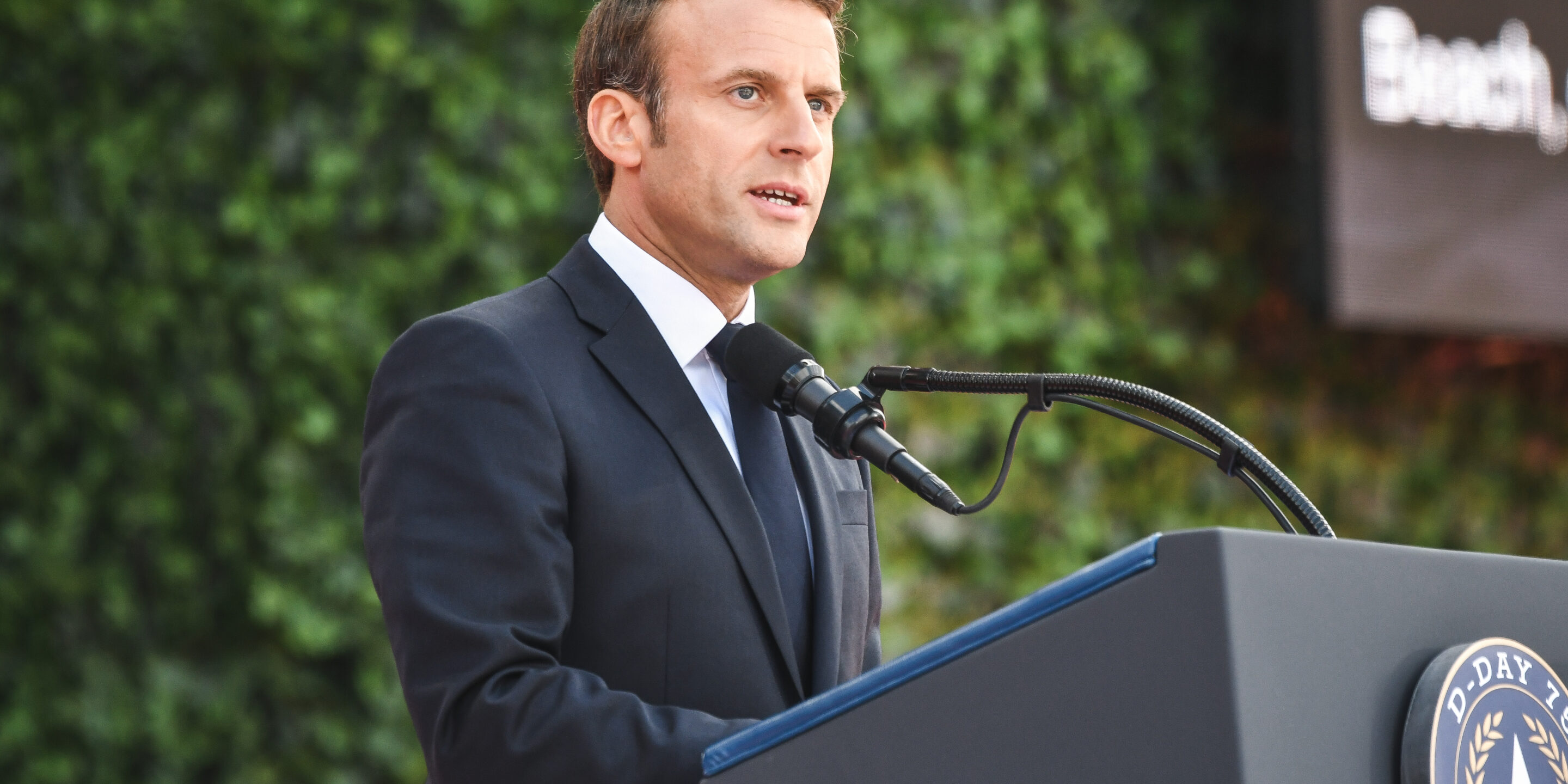
France’s President Emmanuel Macron once preached about the dangers of humiliating Russia in its war in Ukraine. Now he’s trying to cement himself as Europe’s preeminent Russia hawk. During a recent 20-country meeting in Paris that aimed to consolidate the West’s support for Kiev, Macron generated headlines by suggesting that European troop deployments to Ukraine shouldn’t be ruled out. He doubled down about a week later, emphasizing that Ukraine’s allies in Ukraine couldn’t afford to be “cowardly” in the face of Russian aggression.

Macron’s initial comments caused a firestorm in Europe. For many, the French president’s proposition was a non-starter. Poland’s prime minister, Donald Tusk, rejected the idea. Germany’s Chancellor Olaf Scholtz stated bluntly that “there will be no ground troops, no soldiers on Ukrainian soil” from NATO or the European Union. The Biden administration reiterated that there are no plans to deploy the U.S. military to Ukraine.

The aspiring leader of Europe wanted to send Russian President Vladimir Putin a message of strength: A Ukrainian victory is of such strategic importance that the West will do whatever is necessary to achieve it. But in reality, Macron and the pushback he received inadvertently delivered the opposite: Ukraine’s success isn’t so important to the West after all, particularly if it could bring the U.S. and Europe into a direct conflict with Russia, the world’s largest nuclear weapons power. The entire kerfuffle demonstrates just how hollow NATO’s perpetual open-door policy to Ukraine is, and why it’s far past time to bolt the door shut.

Read at The American Conservative

Author

Photo of Daniel DePetris

Daniel
DePetris

Fellow

Defense Priorities

More on Europe

In the mediaUS‑Israel‑Iran, Alliances, Iran, Middle East, NATO

Our Adversaries—And Allies—Are Learning These Lessons From U.S.-Iran Negotiations: Analyst

Featuring Daniel DePetris

April 14, 2026

Op-edNATO, Europe and Eurasia, Iran, US‑Israel‑Iran

Threatening NATO Over Iran Is Stupid, but Potentially Useful

By Benjamin Friedman

April 12, 2026

Op-edUkraine‑Russia, Europe and Eurasia, Russia, Ukraine

A Flawed Formula for Peace in Ukraine

By Jennifer Kavanagh

April 7, 2026

Op-edNATO, Alliances, Europe and Eurasia

Our NATO allies are unwilling to play Donald Trump’s game this time around

By Daniel DePetris

April 7, 2026

In the mediaNATO, Alliances, Iran, Middle East, US‑Israel‑Iran

Trump roils NATO as pressure builds over Strait of Hormuz

Featuring Jennifer Kavanagh

April 5, 2026

Op-edUS‑Israel‑Iran, Alliances, Iran, Middle East, NATO

Trump’s ‘Art of the Deal’ Is Losing Friends and Alienating Allies

By Daniel DePetris

April 2, 2026

Events on NATO

See All Events
virtualNATO, Alliances, Burden sharing, Europe and Eurasia, Grand strategy

Assessing the 2026 NDS: Will it usher in burden shifting?

February 9, 2026
virtualNATO, Alliances, Europe and Eurasia, Russia, Ukraine, Ukraine‑Russia

A ‘bridge’ to NATO or false hope for Ukraine?

July 12, 2024
virtualNATO, Alliances, Deterrence, Europe and Eurasia, Nuclear weapons

New York for Paris? NATO and extended deterrence in a new nuclear age

July 2, 2024

Receive expert foreign policy analysis

Join the hub of realism and restraint

Expert updates and analysis to enhance your understanding of vital U.S. national security issues

Defense Priority Mono Logo

Our mission is to inform citizens, thought leaders, and policymakers of the importance of a strong, dynamic military—used more judiciously to protect America’s narrowly defined national interests—and promote a realistic grand strategy prioritizing restraint, diplomacy, and free trade to ensure U.S. security.

  • Research
  • Experts
  • About
  • For Media
  • Jobs
  • Donate
  • Privacy Policy
  • Terms and Conditions
  • Contact
© 2026 Defense Priorities Foundation. All rights reserved.