Defense Priorities Defense Priorities
  • Policy Topics
    • US-Israel-Iran
    • Ukraine-Russia
    • Western Hemisphere
    • NATO
    • China
    • Syria
  • Analysis
    • Research
    • Q&A
  • Programs
    • Grand Strategy Program
    • Military Analysis Program
    • Asia Program
    • Middle East Program
  • Experts
  • Events
  • Media
  • About
    • Mission & Vision
    • People
    • Jobs
    • Contact
  • Donate
Select Page
Home / NATO / More European defense spending isn’t cause for celebration
NATO, Alliances, Europe and Eurasia

July 2, 2025

More European defense spending isn’t cause for celebration

By Jennifer Kavanagh

President Donald Trump and his national security team wasted no time before celebrating their achievements at the annual NATO summit in The Hague. After years of underspending on defense and pressure from Trump administration officials, America’s European allies agreed to raise their defense budgets to 5% of GDP by 2035 at the latest.

Trump is quite pleased with the result and what he describes as his instrumental role in bringing it about. “In a very historic milestone this week, the NATO Allies committed to dramatically increase their defense spending to that 5% of GDP, something that no one really thought possible,” Trump proclaimed during a press conference after the summit concluded. “And they said: you did it, sir, you did it.”

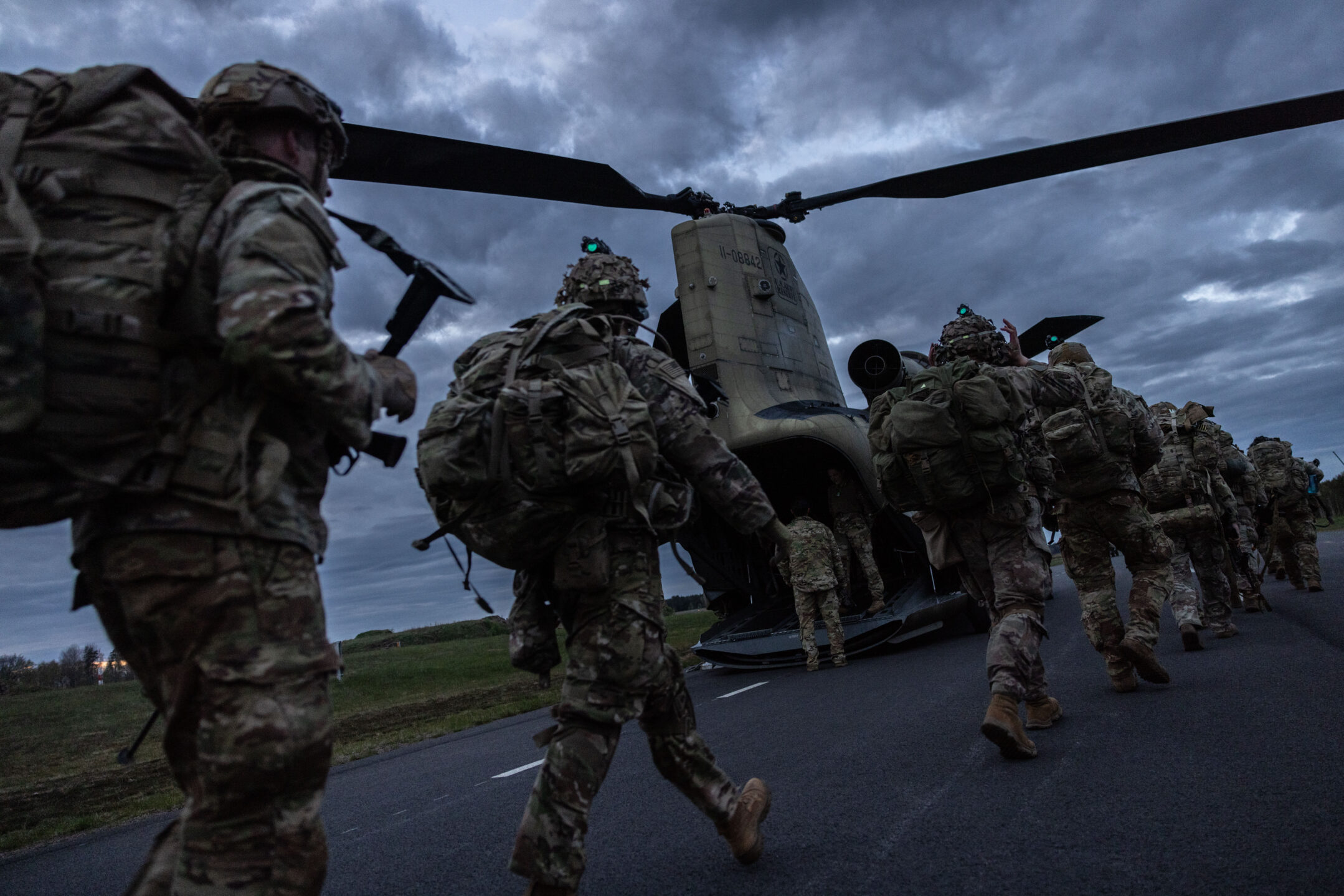
Yet Trump should hold off on declaring victory. Getting allies to spend more money on their own defense is important, but it falls far short of Trump’s promise to reduce U.S. military commitments abroad. Bigger defense budgets from NATO allies mean little strategically for Washington if they aren’t paired with a reduction in U.S. security responsibilities on the Continent. If Trump really hopes to achieve the burden shifting he has called for, Washington must take real steps toward retrenchment by bringing home U.S. forces and putting NATO leadership positions in allied hands.

Read at Stars and Stripes

Author

Jennifer
Kavanagh

Senior Fellow & Director of Military Analysis

Defense Priorities

More on Europe

Op-edUkraine‑Russia, Europe and Eurasia, Iran, Middle East, Russia, Ukraine, US‑Israel‑Iran

Is Ukraine peace toast, now that the Middle East is on fire?

By Jennifer Kavanagh

March 9, 2026

Op-edNATO, Alliances

NATO needs the Germans to be up

By Gil Barndollar

March 6, 2026

Op-edNuclear weapons, Europe and Eurasia, Russia

Russia Is Offering An Informal Nuclear Deal. Washington Should Take It.

By John Grover

February 25, 2026

Op-edNATO, Alliances, Europe and Eurasia

Breaking Europe’s Trans-Atlantic Habit: The End of the Senior Partner Myth

By Moritz Graefrath

February 24, 2026

Op-edNATO, Alliances, Ukraine‑Russia

Europe debates the bomb

By Daniel DePetris

February 19, 2026

Op-edNATO, Alliances, Europe and Eurasia

Marco Rubio’s Munich speech was an ultimatum to Europe

By Jennifer Kavanagh

February 15, 2026

Events on NATO

See All Events
virtualNATO, Alliances, Burden sharing, Europe and Eurasia, Grand strategy

Assessing the 2026 NDS: Will it usher in burden shifting?

February 9, 2026
virtualNATO, Alliances, Europe and Eurasia, Russia, Ukraine, Ukraine‑Russia

A ‘bridge’ to NATO or false hope for Ukraine?

July 12, 2024
virtualNATO, Alliances, Deterrence, Europe and Eurasia, Nuclear weapons

New York for Paris? NATO and extended deterrence in a new nuclear age

July 2, 2024

Receive expert foreign policy analysis

Join the hub of realism and restraint

Expert updates and analysis to enhance your understanding of vital U.S. national security issues

Defense Priority Mono Logo

Our mission is to inform citizens, thought leaders, and policymakers of the importance of a strong, dynamic military—used more judiciously to protect America’s narrowly defined national interests—and promote a realistic grand strategy prioritizing restraint, diplomacy, and free trade to ensure U.S. security.

  • Research
  • Experts
  • About
  • For Media
  • Jobs
  • Donate
  • Privacy Policy
  • Terms and Conditions
  • Contact
© 2026 Defense Priorities Foundation. All rights reserved.