Defense Priorities Defense Priorities
  • Policy Topics
    • US-Israel-Iran
    • Ukraine-Russia
    • Western Hemisphere
    • NATO
    • China
    • Syria
  • Analysis
    • Research
    • Q&A
  • Programs
    • Grand Strategy Program
    • Military Analysis Program
    • Asia Program
    • Middle East Program
  • Experts
  • Events
  • Media
  • About
    • Mission & Vision
    • People
    • Jobs
    • Contact
  • Donate
Select Page
Home / Middle East / LTE: The Moment to Rethink U.S.-Saudi Ties
Middle East

December 6, 2020

LTE: The Moment to Rethink U.S.-Saudi Ties

By Daniel DePetris

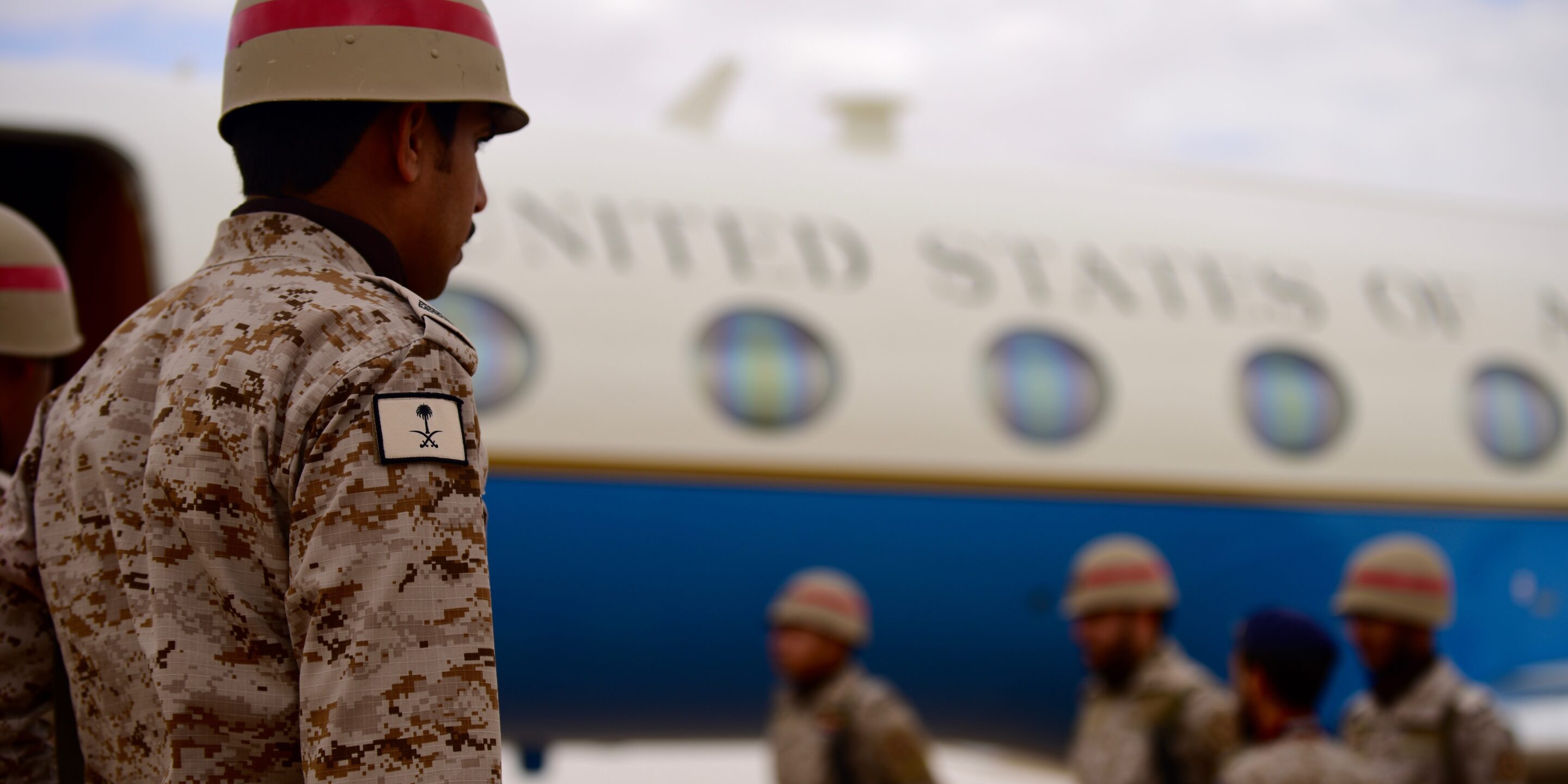
President-elect Joe Biden’s rhetoric on Saudi Arabia over the years has been far tougher than the monarchy is used to. But words alone won’t make much of a difference. Mr. Biden’s policy toward Riyadh should adopt a more cleared-headed look at what the kingdom is, and, crucially, what it is not.

Saudi Arabia is not entitled to U.S. military or diplomatic support. It’s not a treaty ally like Japan. Its importance to U.S. security has dwindled as the United States seeks to reorient its foreign policy away from the Middle East. And if Crown Prince Mohammed bin Salman’s tutelage is any indication, the kingdom is proving to be a wildly destabilizing force in the region.

Mr. Biden should base the U.S.-Saudi relationship on first-order principles: cooperate when possible and deviate when U.S. and Saudi interests don’t match up. For Washington, that means understanding when Saudi requests for help are counterproductive; removing itself from a war in Yemen that serves no purpose for the U.S.; and all the while continuing a pragmatic intelligence sharing on terrorism.

Ultimately, Saudi Arabia needs the United States more than the United States needs Saudi Arabia.

Read at The New York Times

Author

Photo of Daniel DePetris

Daniel
DePetris

Fellow

Defense Priorities

More on Middle East

In the mediaUS‑Israel‑Iran, Iran, Israel, Israel‑Iran, Middle East

Can U.S. blockade Iranian-linked ships anywhere in the world? Yes, but …

Featuring Jennifer Kavanagh

April 19, 2026

In the mediaUS‑Israel‑Iran, Iran, Middle East

Trump, Iran clash over Hormuz closure as deal deadline nears

Featuring Daniel Davis

April 19, 2026

In the mediaUS‑Israel‑Iran, Iran, Middle East

Defense Priorities’ Jennifer Kavanagh discusses the Iran War and the latest on the Strait of Hormuz

Featuring Jennifer Kavanagh

April 18, 2026

Op-edUS‑Israel‑Iran, Iran, Middle East

The Strait of Hormuz is open. Here’s what to watch next.

By Daniel DePetris

April 17, 2026

Op-edUS‑Israel‑Iran, Iran, Middle East

America Must Get Out of the Middle East for Good

By Adam Gallagher

April 17, 2026

In the mediaUS‑Israel‑Iran, Iran, Middle East

Strait of Hormuz blockade hurts Iran’s economy, threatens to spike energy prices

April 17, 2026

Events on Middle East

See All Events
virtualMiddle East

What’s Next for U.S. Foreign Policy in 2026? Middle East Edition

January 14, 2026
virtualGreat power competition, Balance of power, China, Grand strategy, Middle East

U.S.-China competition and the value of Middle East influence

June 10, 2025
virtualMiddle East, Basing and force posture, Diplomacy, Houthis, Iran, Iraq, Israel, Israel‑Hamas, Military analysis, Syria

Trump in the Middle East: Impacts, implications, and alternatives

May 16, 2025

Receive expert foreign policy analysis

Join the hub of realism and restraint

Expert updates and analysis to enhance your understanding of vital U.S. national security issues

Defense Priority Mono Logo

Our mission is to inform citizens, thought leaders, and policymakers of the importance of a strong, dynamic military—used more judiciously to protect America’s narrowly defined national interests—and promote a realistic grand strategy prioritizing restraint, diplomacy, and free trade to ensure U.S. security.

  • Research
  • Experts
  • About
  • For Media
  • Jobs
  • Donate
  • Privacy Policy
  • Terms and Conditions
  • Contact
© 2026 Defense Priorities Foundation. All rights reserved.