Defense Priorities Defense Priorities
  • Policy Topics
    • US-Israel-Iran
    • Ukraine-Russia
    • Western Hemisphere
    • NATO
    • China
    • Syria
  • Analysis
    • Research
    • Q&A
  • Programs
    • Grand Strategy Program
    • Military Analysis Program
    • Asia Program
    • Middle East Program
  • Experts
  • Events
  • Media
  • About
    • Mission & Vision
    • People
    • Jobs
    • Contact
  • Donate
Select Page
Home / Israel / Israeli actions have the cover of ‘moral hazard’—a touch of ambiguity might give U.S. pressure greater weight
Israel, Alliances, China‑Taiwan, Iran, Israel‑Hamas, Middle East, Taiwan

October 3, 2024

Israeli actions have the cover of ‘moral hazard’—a touch of ambiguity might give U.S. pressure greater weight

By William Walldorf

Sometimes, superpowers have a hard time getting smaller allies to do what they want with the assistance they provide. Often, it is to the detriment of the larger power’s interests.

The United States has faced a fair bit of this in recent decades. In Africa, U.S. partners Chad, Niger and Burkina Faso have diverted U.S. security assistance and training intended for counterterrorism toward suppression of political opponents, or for military coups that undermined human rights and only increased the risk of terrorism.

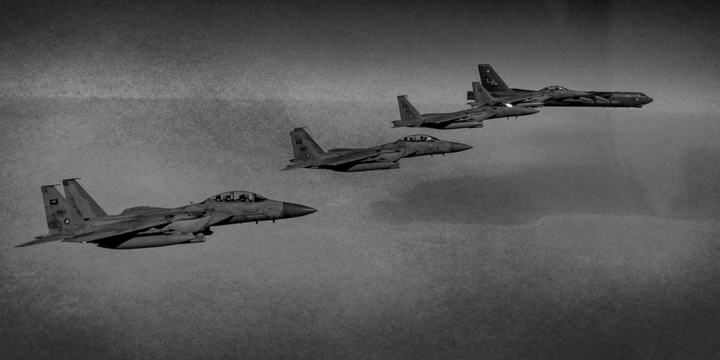
Similarly, Saudi Arabia in the 2010s used U.S. military support meant to shore up Saudi security against Iran to enter and expand a brutal war in Yemen that ended up strengthening the same Houthi rebels who are today attacking U.S. warships in the Red Sea.

Political scientists have a term that covers this phenomenon: moral hazard. It defines a dynamic whereby a great power’s commitment to protect an ally with a revisionist streak—that is, a wayward ally seeking to alter the status quo or shake up the settled order– insulates the ally from the risks of its own behavior, thus encouraging reckless actions.

Read at The Conversation

Author

Photo of Will Walldorf

William
Walldorf

Senior Fellow

Defense Priorities

More on Middle East

Q&AIran, US‑Israel‑Iran

How the U.S. can end the Iran war now

By Benjamin Friedman

April 30, 2026

In the mediaUS‑Israel‑Iran, Iran, Israel‑Iran

Trump said Iran’s oil pipelines will soon ‘explode.’ Energy experts doubt it.

Featuring Rosemary Kelanic

April 30, 2026

Op-edUS‑Israel‑Iran, Asia, China, Iran, Middle East

Iran killed any delusions of U.S. military domination over China

By Jennifer Kavanagh

April 29, 2026

Op-edEurope and Eurasia, Iran, Middle East, NATO, US‑Israel‑Iran

Will King Charles’ visit help soften the animus between the U.S. and the UK?

By Daniel DePetris

April 28, 2026

Op-edUS‑Israel‑Iran, Europe and Eurasia, Iran, Middle East

Friedrich Merz’s Iran intervention won’t discourage Trump

By Daniel DePetris

April 28, 2026

In the mediaUS‑Israel‑Iran, Iran, Middle East

U.S. Sanctions Zigzag in New World of Economic Warfare

Featuring Jennifer Kavanagh

April 26, 2026

Events on Israel

See All Events
virtualMiddle East, Basing and force posture, Diplomacy, Houthis, Iran, Iraq, Israel, Israel‑Hamas, Military analysis, Syria

Trump in the Middle East: Impacts, implications, and alternatives

May 16, 2025
virtualMiddle East, Alliances, Diplomacy, Israel, Military analysis

Assessing a formal U.S.-Saudi alliance

October 17, 2024

Receive expert foreign policy analysis

Join the hub of realism and restraint

Expert updates and analysis to enhance your understanding of vital U.S. national security issues

Defense Priority Mono Logo

Our mission is to inform citizens, thought leaders, and policymakers of the importance of a strong, dynamic military—used more judiciously to protect America’s narrowly defined national interests—and promote a realistic grand strategy prioritizing restraint, diplomacy, and free trade to ensure U.S. security.

  • Research
  • Experts
  • About
  • For Media
  • Jobs
  • Donate
  • Privacy Policy
  • Terms and Conditions
  • Contact
© 2026 Defense Priorities Foundation. All rights reserved.