Defense Priorities Defense Priorities
  • Policy Topics
    • Iran
    • Western Hemisphere
    • Ukraine-Russia
    • NATO
    • China
    • Syria
  • Analysis
    • Research
    • Q&A
  • Programs
    • Grand Strategy Program
    • Military Analysis Program
    • Asia Program
    • Middle East Program
  • Experts
  • Events
  • Media
  • About
    • Mission & Vision
    • People
    • Jobs
    • Contact
  • Donate
Select Page
Home / Iran / How will Trump tackle Iran?
Iran, Middle East, Nuclear weapons

January 22, 2025

How will Trump tackle Iran?

By Daniel DePetris

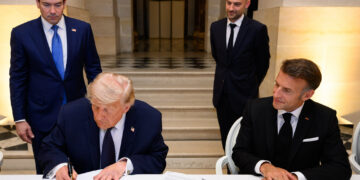
Donald Trump begins his second stint in the White House with big plans and a world that looks quite different from the one he dealt with during his first term. He will inherit a cornucopia of foreign policy problems and international crises left over from the previous administration.

The 15-month long war in Gaza may be paused for the time being, but the safe bet is to put your money on the fighting resuming after the first six-week phase is over. Trump may have big dreams about terminating the three year-old war in Ukraine, but the president’s national security team is still very much in the process of figuring out a diplomatic formula that would bring Ukraine’s President Volodymyr Zelensky and Russia’s President Vladimir Putin to the negotiating table. Trump, who in his January 20 inaugural address said he wanted to be known as a “peacemaker,” will also attempt to strike a normalization agreement between Israel and Saudi Arabia, an ambition that will be moot if the Gaza ceasefire doesn’t survive.

There is one problem, however, that remains similar to those of past U.S. administrations: Iran’s nuclear program.

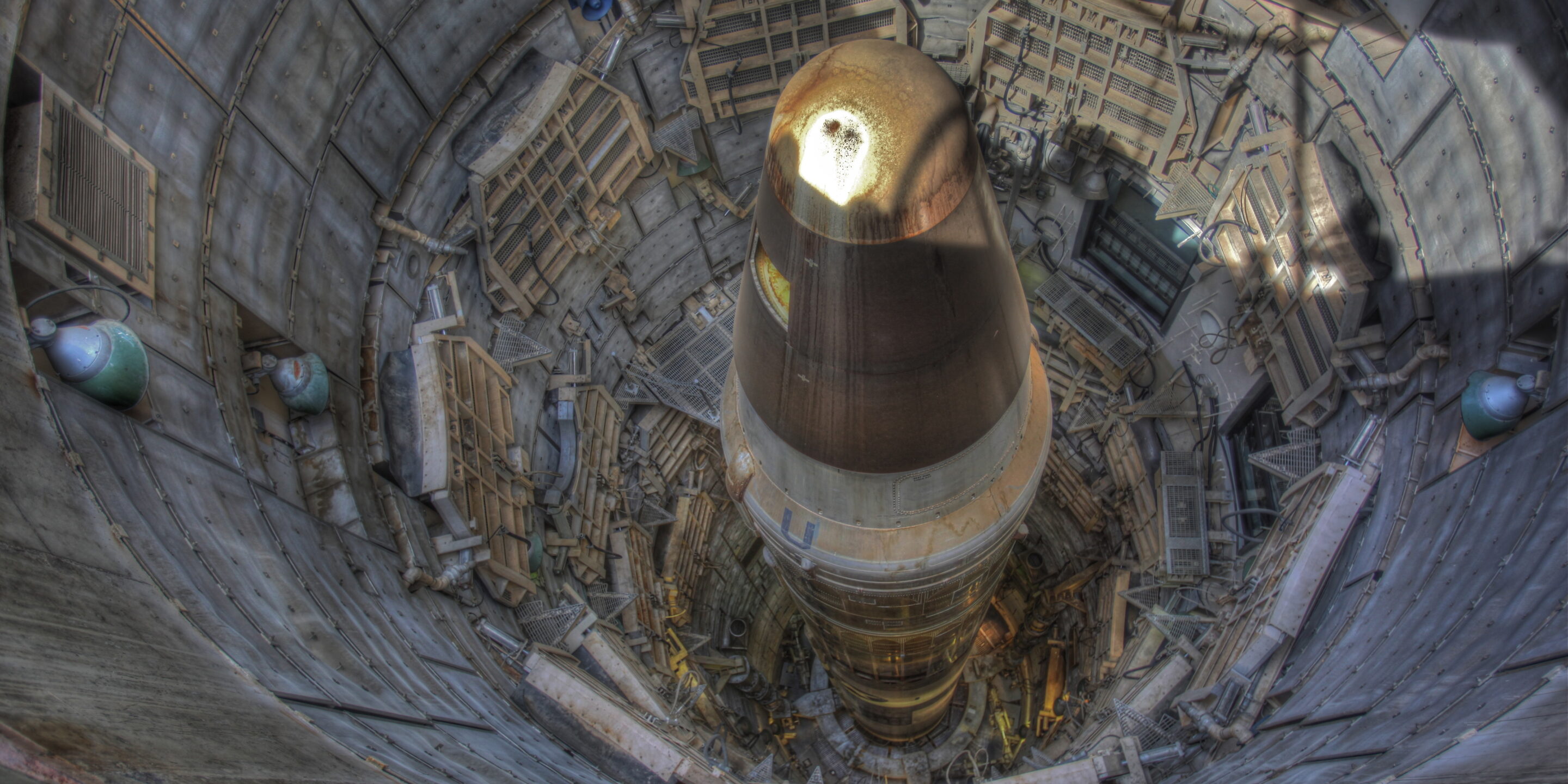
Unfortunately for Trump, the Iranian nuclear issue is as confounding as it has ever been. The International Atomic Energy Agency reported in November that Iran’s total enriched uranium stockpile is now more than 6,600 kg, approximately 22 times what Tehran would have been permitted under the Joint Comprehensive Plan of Action (JCPOA). In December, IAEA Director General Rafael Grossi assessed that Iran was enriching 5-7 kg of 60 percent enriched uranium a month, a short technical step away from the 90 percent required for bomb fuel. The Iranians have installed more centrifuges of higher quality and are churning out more uranium at a higher level, both as a pressure tactic against Washington and as a way to bag more leverage in the event nuclear talks recommence. The now former Secretary of State Antony Blinken put it bluntly over the summer: “Where we are now is not in a good place.”

Read at The American Conservative

Author

Photo of Daniel DePetris

Daniel
DePetris

Fellow

Defense Priorities

More on Middle East

op-edSyria, Middle East

The U.S. couldn’t prop up the Kurds forever

By Rosemary Kelanic

February 4, 2026

op-edIran, Middle East

Trump’s global gunboat diplomacy leaves the U.S. overstretched

By Alexander Langlois

February 3, 2026

op-edIran, Middle East

Ignore the Hawks. Attacking Iran comes with huge risks

By Peter Harris

February 1, 2026

op-edSyria, Middle East

The U.S. should pull the plug on its Syria deployment

By Daniel DePetris

February 1, 2026

op-edMiddle East, Iran, Israel‑Hamas, Israel‑Iran, Syria

Trump’s Middle East policy is teetering on overextension

By William Walldorf

January 29, 2026

op-edSyria, Middle East

The U.S. is adapting its Syria strategy. Here’s why that’s a problem.

By Alexander Langlois

January 28, 2026

Events on Iran

See All Events
virtualMiddle East, Basing and force posture, Diplomacy, Houthis, Iran, Iraq, Israel, Israel‑Hamas, Military analysis, Syria

Trump in the Middle East: Impacts, implications, and alternatives

May 16, 2025
virtualHouthis, Iran, Israel‑Hamas, Middle East, Yemen

Houthi conundrum: defend, degrade, or defer

March 28, 2024
virtualMiddle East, Iran, Israel‑Hamas, Israel‑Iran, Syria, Yemen

Keeping the U.S. out of war in the Middle East

January 16, 2024

Receive expert foreign policy analysis

Join the hub of realism and restraint

Expert updates and analysis to enhance your understanding of vital U.S. national security issues

Defense Priority Mono Logo

Our mission is to inform citizens, thought leaders, and policymakers of the importance of a strong, dynamic military—used more judiciously to protect America’s narrowly defined national interests—and promote a realistic grand strategy prioritizing restraint, diplomacy, and free trade to ensure U.S. security.

  • Research
  • Experts
  • About
  • For Media
  • Jobs
  • Donate
  • Privacy Policy
  • Terms and Conditions
  • Contact
© 2026 Defense Priorities All Right Reserved