Defense Priorities Defense Priorities
  • Policy Topics
    • Venezuela
    • China
    • Israel-Hamas
    • Ukraine-Russia
    • NATO
    • Syria
  • Analysis
    • Research
    • Q&A
  • Programs
    • Grand Strategy Program
    • Military Analysis Program
    • Asia Program
    • Middle East Program
  • Experts
  • Events
  • Media
  • About
    • Mission & Vision
    • People
    • Jobs
    • Contact
  • Donate
Select Page
Home / NATO / Don’t send U.S. nuclear weapons to Poland or anywhere else
NATO, Alliances

June 11, 2024

Don’t send U.S. nuclear weapons to Poland or anywhere else

By Scott Strgacich

On April 22, Polish President Andrzej Duda made the latest in a series of pitches from Warsaw to host U.S. nuclear weapons in the NATO nation. Last June, Polish Prime Minister Mateusz Morawiecki made similar statements in reaction to Russia’s announced deployment of tactical nuclear weapons to its close ally Belarus, which borders Poland.

This call has been echoed in the U.S. as well. Voices from The Heritage Foundation and the American Enterprise Institute have joined in the chorus invoking a nuclear future for Poland. In a surprising move, Sweden’s Prime Minister Ulf Kristersson—NATO’s newest head of government—also voiced an openness to hosting U.S. nuclear weapons on his country’s soil if the need arose. As NATO leaders prepare to meet in Washington in July to commemorate the alliance’s 75th anniversary, the nuclear noise from NATO’s more easterly members will doubtlessly grow louder. With the U.S. preparing to station nuclear bombs in England for the first time since they were removed in 2008, there already seems to be a growing willingness to expand the alliance’s nuclear profile.

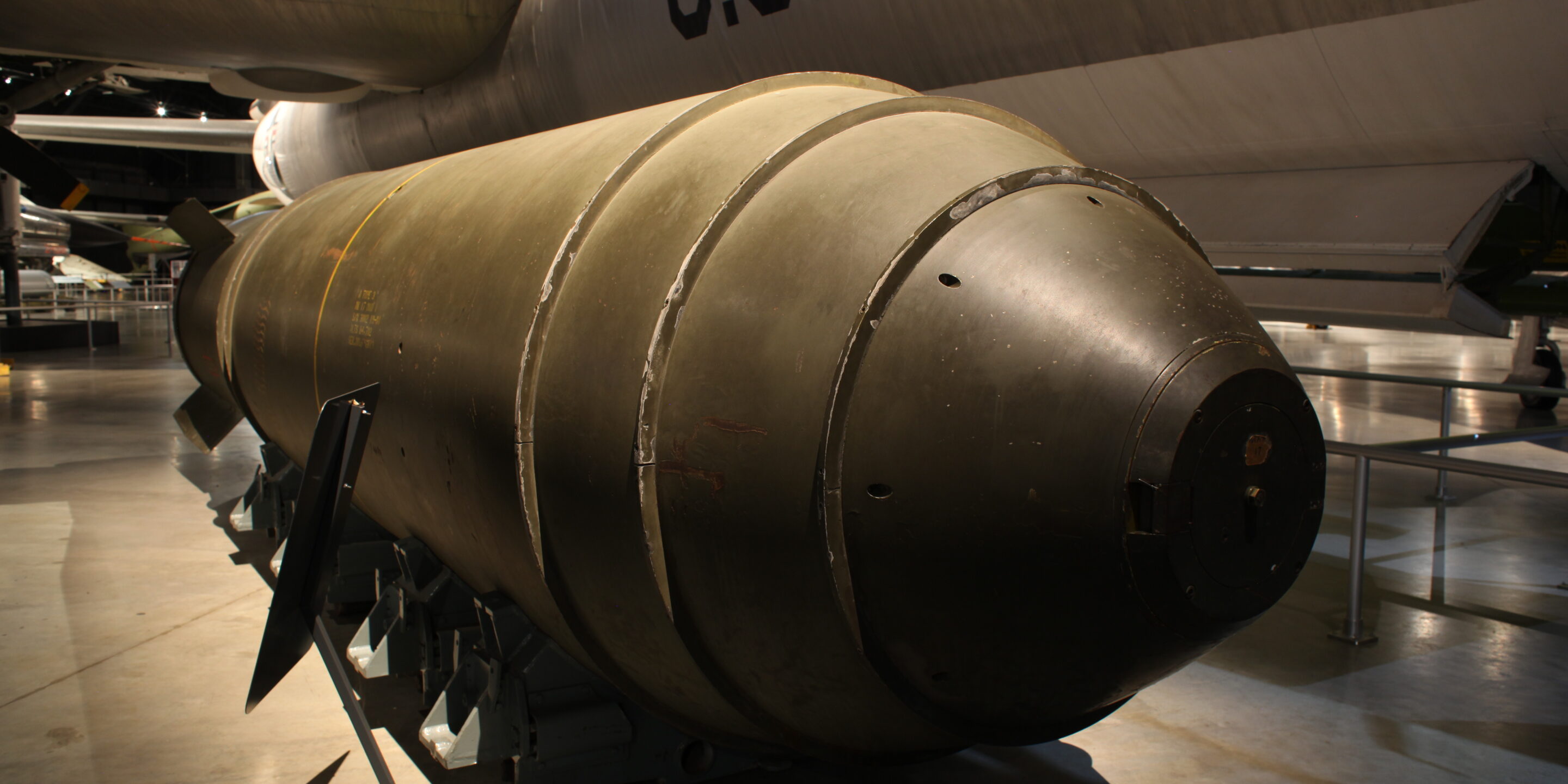
Currently, the U.S. stores some 100 nuclear weapons in five NATO countries – Germany, Belgium, the Netherlands, Italy and Turkey – through its “nuclear sharing” initiative. This is far from its peak of 7,000 during the Cold War but it still represents significant destructive potential. Through this arrangement, the U.S. retains total control over its nuclear weapons stationed in Europe (today, all of them are B61 gravity bombs) but in wartime these weapons can be authorized for use on select multirole fighter aircraft operated by allied countries. These are tactical or non-strategic weapons with a destructive capacity much lower than an intercontinental ballistic missile. It’s important to note that the decision to use these weapons is solely in Washington’s hands. Poland is now making a push to become the sixth NATO state to participate in this nuclear sharing initiative.

Read at Stars and Stripes

Author

Photo of Scott Strgacich

Scott
Strgacich

Former Research Associate

Defense Priorities

More on Europe

op-edUkraine‑Russia, Europe and Eurasia, Russia, Ukraine

The Trump administration’s proposal for the war in Ukraine is its latest half-baked plan

By Daniel DePetris

November 25, 2025

Sanctions, Ukraine‑Russia

Do oil sanctions still work?

By Rosemary Kelanic

November 24, 2025

In the mediaUkraine‑Russia, Diplomacy, Europe and Eurasia

U.S., Ukraine agree to change draft of peace plan that Russia favored

Featuring Dan Caldwell

November 23, 2025

op-edUkraine‑Russia, Europe and Eurasia, Russia, Ukraine

Trump’s secret plan for Russia and Ukraine has one enormous flaw

By Daniel DePetris

November 19, 2025

op-edRussia, Europe and Eurasia, Ukraine, Ukraine‑Russia

A Trump offer that Putin cannot refuse

By Jennifer Kavanagh

November 17, 2025

op-edUkraine‑Russia, Europe and Eurasia, Russia, Ukraine

Russia’s economic woes won’t stop Putin

By Jennifer Kavanagh

November 17, 2025

Events on NATO

See All Events
virtualNATO, Alliances, Europe and Eurasia, Russia, Ukraine, Ukraine‑Russia

A ‘bridge’ to NATO or false hope for Ukraine?

July 12, 2024
virtualNATO, Alliances, Deterrence, Europe and Eurasia, Nuclear weapons

New York for Paris? NATO and extended deterrence in a new nuclear age

July 2, 2024
virtualNATO, Europe and Eurasia, Russia, Ukraine

Reexamining the U.S. role in European security

May 3, 2024

Receive expert foreign policy analysis

Join the hub of realism and restraint

Expert updates and analysis to enhance your understanding of vital U.S. national security issues

Defense Priority Mono Logo

Our mission is to inform citizens, thought leaders, and policymakers of the importance of a strong, dynamic military—used more judiciously to protect America’s narrowly defined national interests—and promote a realistic grand strategy prioritizing restraint, diplomacy, and free trade to ensure U.S. security.

  • Research
  • Experts
  • About
  • For Media
  • Jobs
  • Donate
  • Privacy Policy
  • Terms and Conditions
  • Contact
© 2025 Defense Priorities All Right Reserved